
Lusaka
Zambia's primary international entry point and one of the fastest-growing cities in Africa. The Kabwata Cultural Centre, a maturing restaurant scene, and the country's best provisioning for travellers heading to remote bush camps.
Zambia's Cosmopolitan Capital
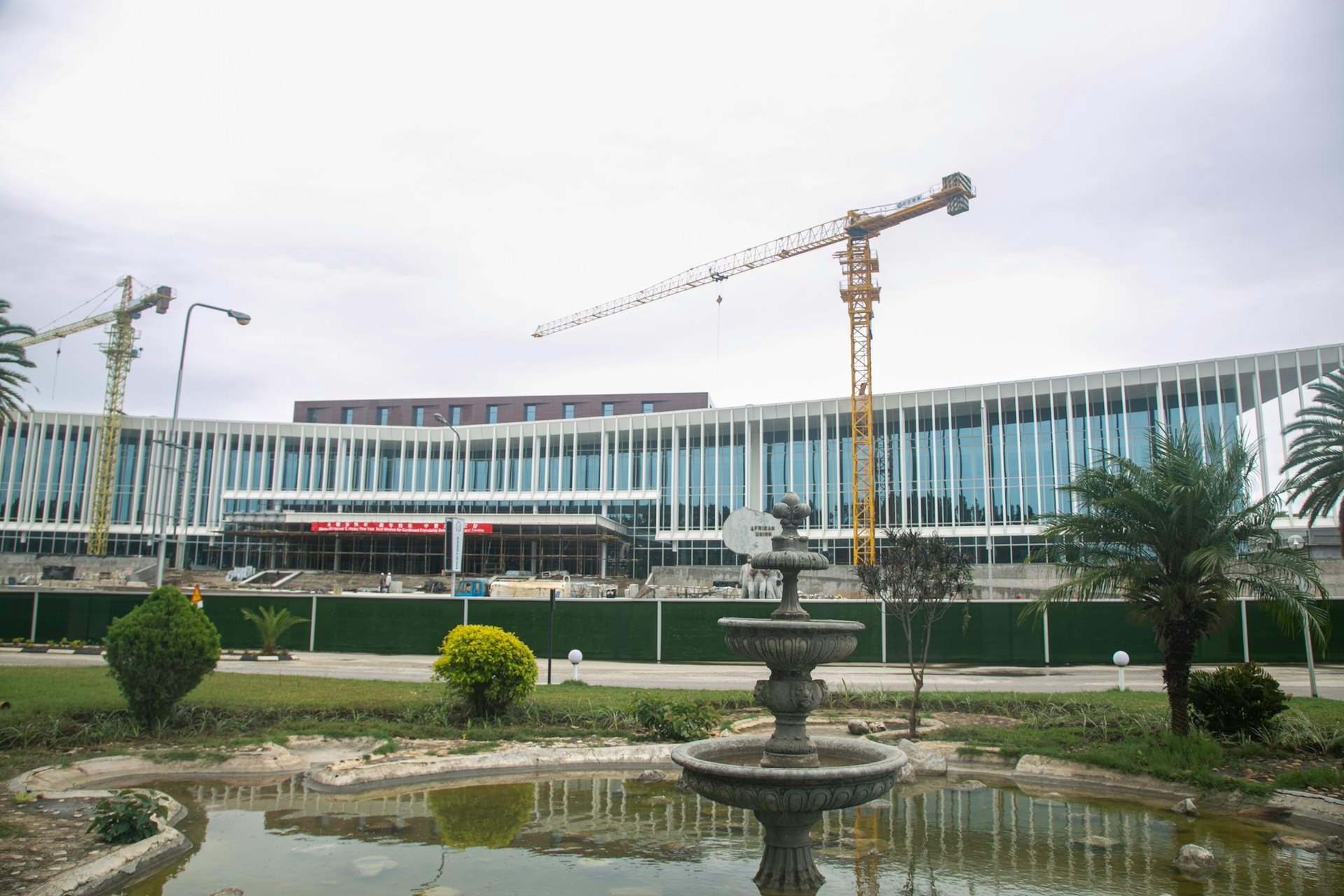
Photo by Bernard Chama on Unsplash
About Lusaka
Lusaka moves fast. It is one of the fastest-growing cities in Africa, a sprawling, energetic, sometimes chaotic metropolitan centre that has expanded dramatically from its colonial-era grid into a network of high-rise construction, informal markets, suburban shopping malls, and an increasingly sophisticated restaurant and arts scene. It is not a city most safari travellers put on their itinerary as a primary destination. It is, however, a city that consistently surprises those who give it more than a single transit night.
As the primary international entry point, Kenneth Kaunda International Airport (LUN) receives the majority of Zambia's international arrivals, Lusaka sets the tone for every Zambia experience that follows. It is also, practically, the most important logistics node in the country: the place to provision for remote bush camps, exchange currency, fill prescriptions, purchase SIM cards, and brief yourself on road and park conditions before heading into the wilderness. The supermarkets at Manda Hill and Arcades stock provisions you will not find in Mfuwe or Chirundu; the pharmacies along Great East Road carry anti-malarials and travel health supplies that smaller towns simply cannot offer.
But there is more here than logistics. The Kabwata Cultural Centre, a working village of traditional rondavels, each housing craftspeople from one of Zambia's 73 ethnic groups, is one of the most genuinely engaging cultural institutions in the country. The National Museum documents Zambia's pre-colonial history and the archaeological record of early human habitation that runs back hundreds of thousands of years at sites like Kalambo Falls. The dining scene in the northern suburbs has matured rapidly, with venues like Latitude 15 and Mint Lounge anchoring a contemporary kitchen alongside traditional Zambian places like Chitenge House Café. Two nights minimum, used actively, transforms what most travellers treat as an airport into a meaningful first chapter of the Zambia experience.
Things to Do in Lusaka
Visit the Kabwata Cultural Centre
A working village of traditional rondavels, each representing a different one of Zambia's 73 ethnic groups and housing craftspeople producing and selling work in traditional styles. Basket weavers from the Western Province, wood carvers from Luangwa, textile artists, sculptors. Walk between the rondavels, watch craft being made, engage in genuine conversation, and buy directly from the producer.
Tour the National Museum of Zambia
In the city centre, the National Museum documents Zambia's pre-colonial history, the colonial encounter, the independence movement, and the formation of the modern state. Coverage of the country's 73 ethnic groups and the archaeological record of early human habitation provides important context for travel, particularly for visitors heading to Kalambo Falls or the Bemba heartland.
Eat at Chitenge House Café
The most accessible introduction to authentic Zambian cuisine in Lusaka, nshima, kapenta, michopo, village chicken, served in a relaxed setting decorated with local crafts and Chitenge (Zambian printed fabric). An excellent final meal before heading to the bush, or a satisfying first one on the way back.
Provision at Manda Hill and Arcades
Lusaka's upscale retail centres carry international-standard supermarkets, pharmacies, and clothing retailers. For travellers heading to remote bush camps, trail snacks, sunscreen, insect repellent, batteries, and any forgotten equipment, these are the most practical resources in the country. Mint Lounge at Arcades is a useful casual lunch stop while provisioning.
Day-trip to Chinyunyu Hot Springs
Approximately 70km northeast of the city, Chinyunyu offers thermal bathing in a basic, undeveloped setting. A viable half-day excursion for transit guests with time between flights, particularly useful for visitors with long airport layovers heading to a bush camp early the following morning.
Visit the Lilayi Elephant Nursery
South of the city, the David Shepherd Wildlife Foundation's Lilayi Lodge maintains a small herd of rescued elephants accessible for guided encounters. Not a substitute for a Kafue safari, but provides a wildlife dimension for transit guests with limited time and an introduction to Zambia's conservation programmes.
Walk the markets with a guide
Lusaka's central markets, particularly the Mbare Musika equivalents around the city centre, are where Lusaka shops, feeds itself, and conducts daily commerce at street level. A guided walk through these markets with a local operator offers a more honest picture of contemporary urban Zambian life than any gallery or hotel can provide.
When to Visit Lusaka
Cool Dry
May, August
The most comfortable window. Sunny days, cool mornings and evenings (Lusaka sits at 1,279m altitude), no humidity, and the city at its most pleasant for walking the cultural quarter. The same window pairs perfectly with the country's safari peak season, most visitors transit Lusaka in this period.
Warm Dry
September, October
Hotter days, particularly in October, but mornings and evenings remain pleasant. Skies are still clear in the mornings; afternoon clouds build pre-rains. A useful shoulder window with most of the dry-season rewards and slightly fewer crowds.
Rainy Season
November, March
Summer rains turn the city green and the tree-lined northern suburb avenues at their best. Showers tend to be afternoon thunderstorms rather than persistent rain, and city activities are largely unaffected. Lower visitor numbers and modest accommodation reductions.
Getting to Lusaka
Kenneth Kaunda International Airport (LUN) is Zambia's primary international hub, receiving direct flights from Johannesburg (the most-used connection on South African Airways and FlySafair), Nairobi, Addis Ababa, Dubai, Cape Town, and other regional capitals. The airport is approximately 25km from the city centre, 30–45 minutes drive depending on traffic. Pre-arranged hotel transfers are the easiest pickup; Vaya Africa (Zambia's ride-hailing app) operates at the airport with transparent pricing. The domestic terminal is adjacent to international and handles all Proflight Zambia connections to Mfuwe, Livingstone, Ndola, Solwezi, and seasonal safari destinations.
Where to Stay
Lusaka's accommodation splits cleanly between high-end and mid-range. Latitude 15 is the city's most design-conscious property, a boutique hotel with a strong aesthetic identity, a good pool, and a restaurant consistently among Lusaka's best, popular with the business and diplomatic community. Ciêla Resort & Spa is conveniently positioned near the airport corridor with excellent spa facilities, preferred for travellers with early morning departures or late arrivals. Salama Blue Lodge is a well-reviewed mid-range option with consistently high guest satisfaction. Agora Apartments offer serviced-apartment accommodation suitable for self-catering travellers or longer stays. Natwange Backpackers is the strongest budget option in the city. Two nights minimum for cultural exploration; one night is enough only for direct transit.
Travel Tips for Lusaka
Frequently Asked Questions
- Is one night enough in Lusaka?
- Enough to transit and provision but not enough to engage with the city. Two nights covers Kabwata Cultural Centre, the National Museum, and a meal in the northern suburbs, and is the right minimum for travellers who want to do more than just sleep on either side of an international flight.
- Is Lusaka safe?
- Yes, with standard urban precautions. The northern suburbs are particularly safe and where most international visitors spend their time. Avoid the central business district after dark, don't display valuables, use registered taxis or Vaya rather than flagging unmarked vehicles, and visit central markets with a local guide rather than independently.
- How does Lusaka compare to Harare or Nairobi?
- Smaller and less developed than Nairobi, more chaotic and faster-growing than Harare. Lusaka is in active transition, the skyline is going up, the restaurant scene is maturing, and the cultural infrastructure is consolidating. It's not yet a destination city, but it has more to offer than its reputation as a transit hub suggests.
- Can I see wildlife near the city?
- Yes, in modest doses. The Lilayi Elephant Nursery offers guided encounters with rescued elephants; the southern Kafue periphery is reachable on day trips for travellers with limited time. Neither is a substitute for a proper safari, they are introductory experiences for transit guests with a few hours to spare.
Explore More, Lusaka
Things To Do
Plan Your Trip
Guides
More in Zambia
Victoria Falls
One of the seven natural wonders of the world, Victoria Falls is twice the height of Niagara and one and a half times as wide. The Zambian s…
South Luangwa National Park
The valley where guided walking safaris were invented in the 1950s, and where they remain the best in Africa. South Luangwa offers extraordi…
Lower Zambezi National Park
A pristine 4,000-square-kilometre stretch of the Zambezi floodplain, where elephants wade in the river and canoe safaris glide past hippos a…
Kafue National Park
Zambia's largest park, 22,400 square kilometres of miombo woodland, river corridor, and the seasonal Busanga floodplain. Cheetah, wild dogs,…
Liuwa Plains National Park
Africa's second-largest wildebeest migration, on a vast minimalist floodplain in remote western Zambia. Dominant spotted hyena clans, intact…
Kasanka & Bangweulu Wetlands
The world's largest mammal migration, 10 million fruit bats descending on a single grove in Kasanka National Park each November, and the sho…
Lake Tanganyika
The world's longest freshwater lake, 673 kilometres of clear, mountain-edged water in northern Zambia. Endemic cichlid diving, sport fishing…
Northern Circuit Waterfalls
Seventeen significant waterfalls in northern Zambia, Kalambo's 235-metre plunge, Lumangwe's 150-metre curtain, Chishimba's three-cascade hik…
Cultural Heritage & Shiwa Ng'andu
Zambia's 73 ethnic groups, 100+ annual ceremonies, and the country's most improbable architectural relic, the 1920s Italianate manor of Shiw…