
Lower Zambezi National Park
A pristine 4,000-square-kilometre stretch of the Zambezi floodplain, where elephants wade in the river and canoe safaris glide past hippos and basking crocs. Lower Zambezi is the most adventurous safari you can do without leaving a national park.
Canoe Safaris on Africa's Great River
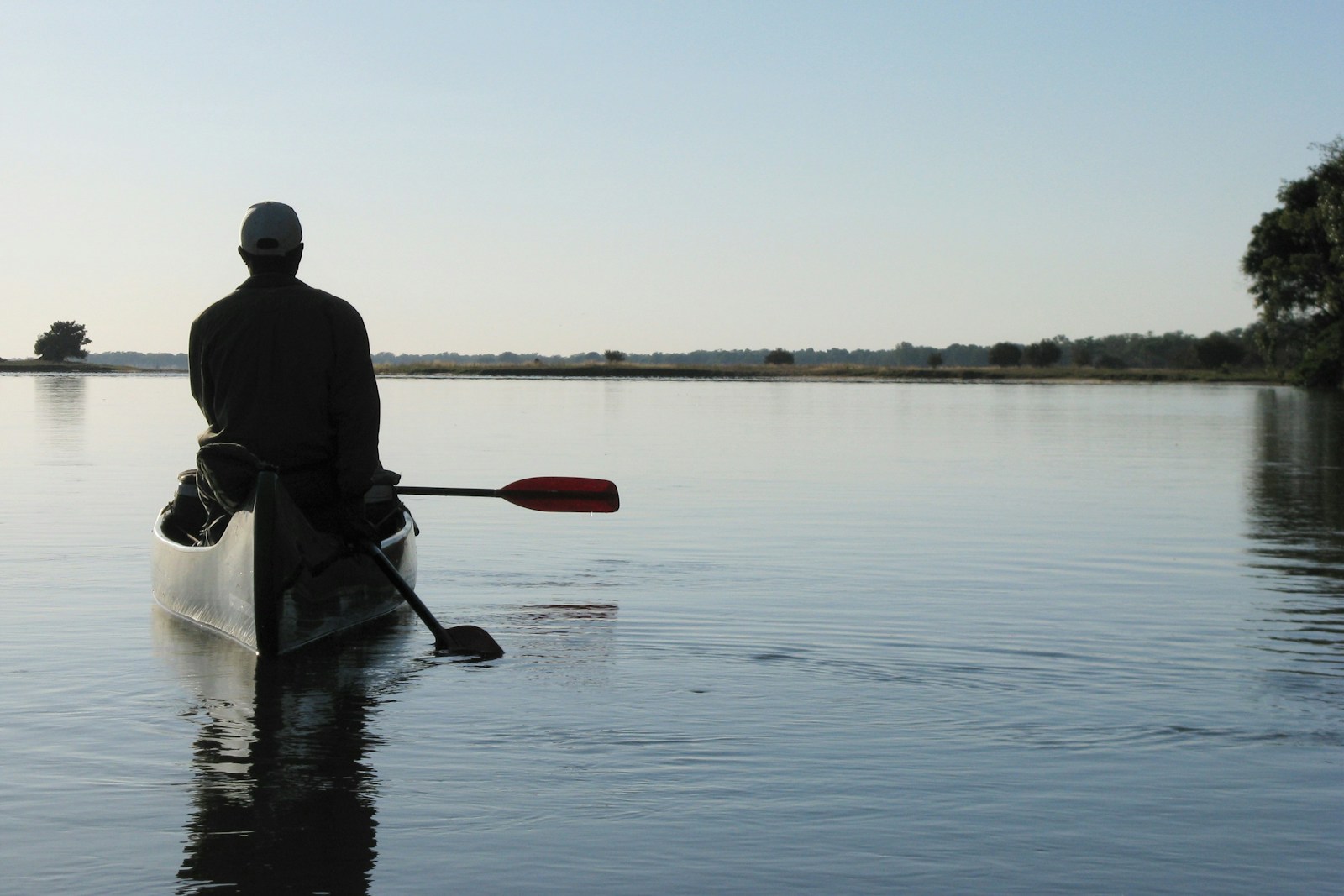
Photo by Chris Linnett on Unsplash
About Lower Zambezi National Park
Lower Zambezi National Park is one of the most distinctive and rewarding parks in Southern Africa. It runs along the northern bank of the Zambezi River for nearly 120 kilometres, opposite Mana Pools National Park in Zimbabwe, together the two parks form a transboundary wilderness with no fences, no major roads, and almost no human presence between them. The park's defining feature is the river itself: wide, slow, and lined with enormous winterthorn forests where elephant and buffalo browse, lion stalk, and hippo and crocodile dominate the water.
What sets Lower Zambezi apart from other safari destinations is the activity mix. Yes, there are vehicle game drives, and they are excellent. But the real draw is what happens on the river. Canoe safaris drift downstream past elephants drinking, pods of hippos surfacing meters from the boat, and basking crocodiles up to four metres long. Motorboat safaris cover more ground and are great for fishing, the Zambezi tigerfish is one of the most aggressive freshwater predators in the world. Walking safaris add another dimension, and many camps run combinations across all four activities in a single day.
The park has stayed wild largely because access is difficult and visitor numbers are deliberately limited. The roads in are rough and most visitors arrive by light aircraft from Lusaka, a 30-minute flight that drops you at a remote bush airstrip. Camps are small, mostly tented, and built right on the river. There is no permanent settlement inside the park, no shops, no fuel stations. What there is, in abundance, is wildlife, and the kind of stillness on the water that has become rare in modern Africa.
Things to Do in Lower Zambezi National Park
Canoe safari downstream
The signature Lower Zambezi experience. A guide leads small groups of two-person canoes downstream for half a day or several days, with overnight stops at fly-camps along the river. You will see elephant, hippo, croc, fish eagle, and possibly lion drinking at the water's edge, all from the level of the river.
Tigerfishing on the Zambezi
The Zambezi tigerfish is one of Africa's premier freshwater game fish, fast, aggressive, with a mouthful of teeth. October and November are the best months. Catch and release is encouraged, and most camps run dedicated fishing days for keen anglers.
Game drive in the floodplain forests
The winterthorn forests on the floodplain are one of the most productive game-viewing habitats in Southern Africa. Morning and evening drives reliably produce lion, leopard, large elephant herds, and enormous buffalo bachelor groups.
Walking safari with an armed scout
Lower Zambezi permits walking safaris in most of the park, and the floodplain woodlands are perfect for it. Tracking elephants on foot through the winterthorns is one of the great safari experiences and complements the canoeing perfectly.
Sunset cruise on the river
Most camps run sunset cruises by motorboat, often with sundowners on a sandbank in the middle of the river. The light at dusk on the Zambezi is one of the most photographed landscapes in Africa for a reason.
Combine with South Luangwa
Most operators offer 7-10 night Zambian itineraries that combine Lower Zambezi with South Luangwa, different ecosystems, different activities, and a quick charter flight between them. Together they are arguably the best Southern African safari combination outside Botswana.
When to Visit Lower Zambezi National Park
Dry Season
June, October
The prime safari window. The river is at its most navigable, animals concentrate along the banks, and the temperatures are bearable. October is the hottest month and produces the most intense wildlife sightings, but also requires real heat tolerance.
Green Season
November, April
Most camps close completely from December to March because the rains make the roads impassable and many activities impossible. Some camps reopen in November and April for shoulder operations. Birding is exceptional and the landscape transforms.
Shoulder
May
Camps reopen, the roads dry out, and the bush is still green from the rains. Game viewing improves quickly and the prices are lower than peak season. An excellent under-the-radar window.
Getting to Lower Zambezi National Park
Lower Zambezi is reached almost exclusively by light aircraft charter from Lusaka, a 30-minute flight to one of the bush airstrips at Royal, Jeki, or Kulefu. The drive from Lusaka is technically possible but extremely rough and takes 5-6 hours on dirt roads that are sometimes impassable in the rains. Some operators arrange combined itineraries with charter transfers to and from South Luangwa or Victoria Falls.
Where to Stay
Lower Zambezi accommodation is dominated by small, high-end tented camps right on the river, Chongwe River Camp, Anabezi, Sausage Tree, Time + Tide Chongwe, Old Mondoro. Most have 6-12 tents and run a flexible activity mix across canoeing, walking, drives, and fishing. There are no public campsites or budget options inside the park itself; budget travellers can stay at lodges outside the park and visit on day trips. Three to four nights is the right minimum to do justice to the activity range.
Travel Tips for Lower Zambezi National Park
Frequently Asked Questions
- Is canoe safari safe?
- Yes, when run by experienced operators. The guides are highly trained, the canoes are stable, and routes are chosen to avoid hippo pods. There are real risks, hippos and crocs are dangerous animals, but the safety record of established operators is excellent.
- Lower Zambezi or Mana Pools?
- They are the same ecosystem on opposite banks, and both are extraordinary. Lower Zambezi has more developed camps and easier access from Lusaka. Mana Pools, on the Zimbabwean side, is wilder, has better walking safaris, and is more challenging to reach. Many travellers do both.
- How many days do I need?
- Three to four nights minimum to do justice to the activity range, canoe safari, walking, drives, and ideally a fishing morning. Less than three feels rushed. Combining with South Luangwa for 7-10 nights total is the classic Zambian itinerary.
- Are there budget options?
- Limited inside the park itself. Most camps are high-end fly-in lodges. Budget travellers can base themselves at lodges outside the park boundary, around the village of Chirundu or upstream, and visit on day trips, but the experience is significantly diluted. The fly-in option is the way the park is meant to be experienced.
Explore More, Lower Zambezi National Park
Things To Do
Plan Your Trip
More in Zambia
Victoria Falls
One of the seven natural wonders of the world, Victoria Falls is twice the height of Niagara and one and a half times as wide. The Zambian s…
South Luangwa National Park
The valley where guided walking safaris were invented in the 1950s, and where they remain the best in Africa. South Luangwa offers extraordi…
Kafue National Park
Zambia's largest park, 22,400 square kilometres of miombo woodland, river corridor, and the seasonal Busanga floodplain. Cheetah, wild dogs,…
Liuwa Plains National Park
Africa's second-largest wildebeest migration, on a vast minimalist floodplain in remote western Zambia. Dominant spotted hyena clans, intact…
Kasanka & Bangweulu Wetlands
The world's largest mammal migration, 10 million fruit bats descending on a single grove in Kasanka National Park each November, and the sho…
Lake Tanganyika
The world's longest freshwater lake, 673 kilometres of clear, mountain-edged water in northern Zambia. Endemic cichlid diving, sport fishing…
Northern Circuit Waterfalls
Seventeen significant waterfalls in northern Zambia, Kalambo's 235-metre plunge, Lumangwe's 150-metre curtain, Chishimba's three-cascade hik…
Lusaka
Zambia's primary international entry point and one of the fastest-growing cities in Africa. The Kabwata Cultural Centre, a maturing restaura…
Cultural Heritage & Shiwa Ng'andu
Zambia's 73 ethnic groups, 100+ annual ceremonies, and the country's most improbable architectural relic, the 1920s Italianate manor of Shiw…