
Kafue National Park
Zambia's largest park, 22,400 square kilometres of miombo woodland, river corridor, and the seasonal Busanga floodplain. Cheetah, wild dogs, tree-climbing lions, and rare antelope in country so vast it stays uncrowded even in peak season.
The Busanga Plains and Zambia's Vast Wilderness
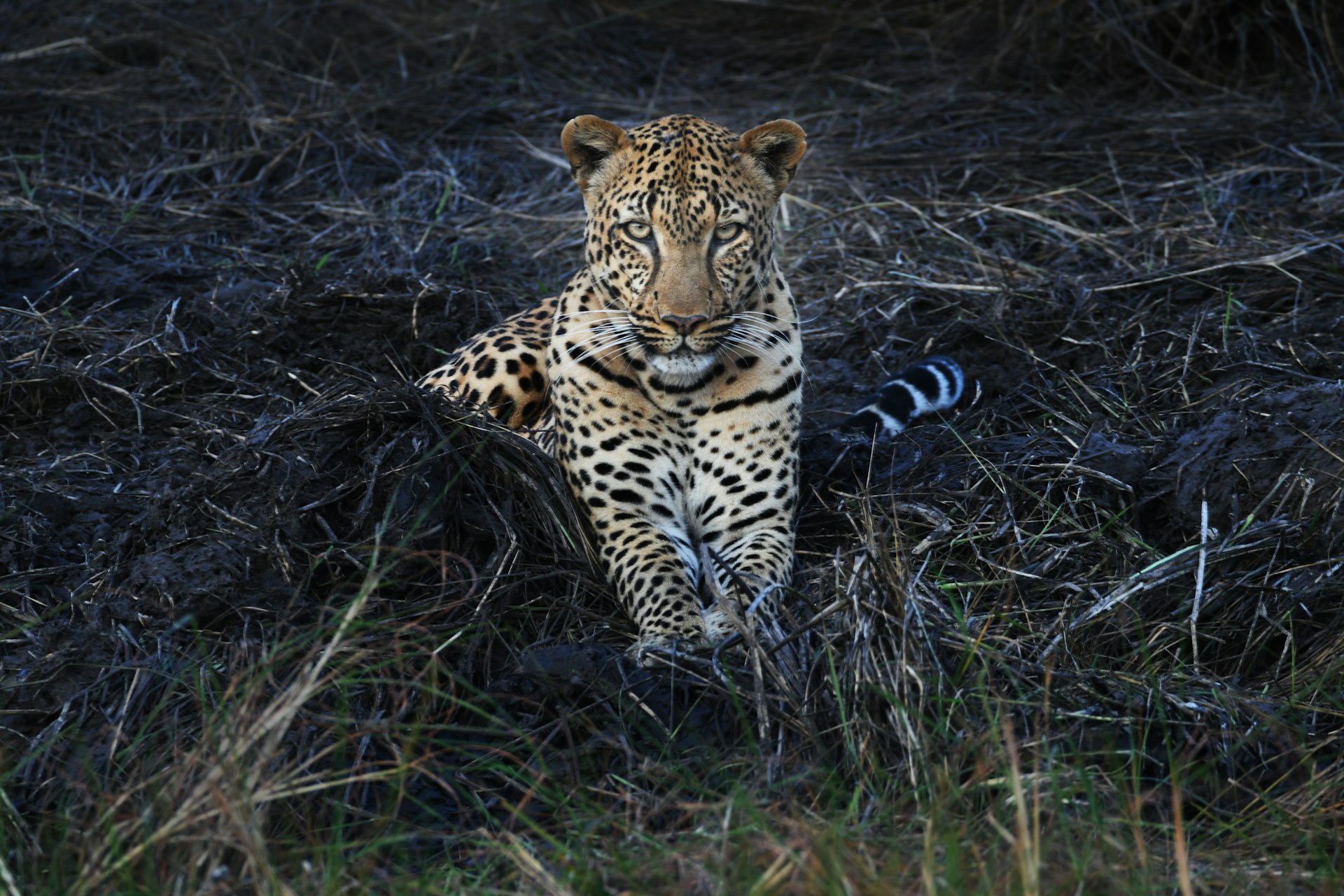
Photo by Catherine Merlin on Unsplash
About Kafue National Park
Kafue is Zambia's oldest and largest national park, and the one that does not reveal itself easily. At 22,400 square kilometres, larger than Wales, larger than New Hampshire, even after a week here you will have seen only a fraction of the terrain. That vastness is the point. It is what keeps Kafue uncrowded when other parks are busy, what maintains predator populations that need enormous territories to function, and what makes the experience feel categorically different from smaller, more managed wildlife destinations.
The park's ecological range is extraordinary: dense miombo and mopane woodlands across the central and southern sectors; the broad, productive Kafue River corridor running through its heart; and in the northwest, the phenomenon that has made Kafue internationally significant, the Busanga Plains. The Busanga is 750 square kilometres of seasonal floodplain that transforms completely with the seasons. During the rains the entire plain is submerged. From mid-July, as the waters recede, it emerges as one of the most wildlife-productive landscapes in Africa: open, treeless grassland dotted with termite mounds and palm islands, hosting the concentrations of rare antelope, apex predators, and aerial wildlife that have made it the crown jewel of Zambian safari tourism.
The Busanga delivers cheetah on the open plains where the flat terrain suits their hunting style, African wild dogs in packs that the park's scale can actually support, and a small, well-documented population of tree-climbing lions whose behaviour is more often associated with East African parks. The Lufupa river sector to the south offers a complementary experience, high-end camps with river-based game viewing, productive walking safaris in mopane woodland, and birding to a level (over 500 species) that puts Kafue among Zambia's premier ornithological destinations. Few parks on the continent reward patience the way this one does.
Things to Do in Kafue National Park
Game drive the Busanga Plains
The defining Kafue experience. Open 4WD drives across the floodplain track wildebeest, lechwe, puku, roan, sable, and the predator community that follows them. The treeless landscape provides exceptional visibility and some of the cleanest sightlines for predator photography in southern Africa.
Track cheetah and wild dogs
The Busanga is one of the most reliable cheetah locations in Zambia, the open terrain suits their hunting style perfectly, and sightings are among the most consistent in the country. Wild dog packs range across Kafue's vast territories; dawn drives target the resident packs as they leave the den to hunt.
Look for the tree-climbing lions
Kafue holds a small population of lions documented climbing and resting in trees, behaviour usually associated with certain East African populations. The mechanism is debated; one theory links it to the seasonal flooding driving animals onto elevated platforms during inundation. Sightings are not guaranteed but the behaviour is well attested in the literature.
Boat safari on the Kafue River
River-based game drives and boat safaris from the Lufupa and central river camps offer a different rhythm, hippo pods, crocodile, fish eagle, and the chance of the secretive African finfoot in vegetated backwaters. Similar in format to the Lower Zambezi but in a more intimate, less-frequented setting.
Walking safari in the woodland
The miombo and mopane woodland between the river and the plains is excellent walking country, with experienced guides leading half-day walks focused on tracking, plant identification, and the subtler dimensions of the bush. The Lufupa sector is particularly strong for walking safaris.
Bird the floodplain rarities
Kafue has 500+ recorded species. The Busanga Plains are one of the most reliable global locations for the rosy-throated longclaw, a scarce, localized lark-like bird restricted to a handful of floodplain habitats. The Kafue River's vegetated backwaters are productive for the African finfoot, a coveted sighting for dedicated birders.
When to Visit Kafue National Park
Busanga Window
Mid-July, October
The strict operational window for the Busanga Plains. Camps open from mid-July as the floodwaters recede and run through October when the heat peaks. August through October delivers the most concentrated wildlife, cheetah, wild dogs, lion, and the rare antelope herds (red lechwe, puku, roan, sable). October is the hottest and the most spectacular.
River Sector Dry
May, October
The Kafue River camps in the Lufupa and central sectors open earlier and run longer than the Busanga. May and June are cooler, well-suited to walking safaris, and offer good value. July and August see wildlife concentrations begin to build along the river. September and October deliver the most intense activity, with predators visible against an open landscape.
Green Season
November, April
Most camps close as roads become impassable. The green season brings spectacular birdlife but eliminates most game viewing infrastructure. A handful of operators run specialist green-season programmes for dedicated birders. Not the right window for first-time Kafue visitors.
Getting to Kafue National Park
The Busanga Plains are most practically reached by light charter from Lusaka or Mfuwe to Busanga airstrip, Proflight Zambia runs a seasonal scheduled service and most camps include the transfer. By road from Lusaka the central and southern sectors are 3–4 hours on tarred road to the park boundary with gravel and dirt tracks inside; the Busanga is 5–7 hours by 4WD and practical only for overlanding vehicles. The southern sector is also accessible from Livingstone in 5–6 hours, which makes a Livingstone–Kafue itinerary coherent for travellers entering through Victoria Falls.
Where to Stay
Kafue's accommodation splits between the seasonal Busanga camps and the year-round Kafue River properties. On the Busanga, exclusive tented camps including Wilderness Safaris' Shumba Camp open and close strictly with water levels and book months in advance. In the Lufupa river sector, Musekese Camp has built a strong reputation for guiding quality and wildlife access, particularly for predator-focused guests. Kaing'U Safari Lodge on the Kafue River is a larger, well-established property with broad programme options and reliable access to both river and woodland game viewing. Four to six nights covers the park properly, ideally including at least three nights on the Busanga during the operational window.
Travel Tips for Kafue National Park
Frequently Asked Questions
- Kafue or South Luangwa?
- Different parks, different specialisms. South Luangwa is the walking-safari and leopard park, with intimate riverside camps and the densest leopard population in Africa. Kafue is the open-plains and rare-antelope park, with cheetah and wild dogs on the Busanga and the country's largest wilderness footprint. Most experienced Zambia travellers do both, often in the same trip.
- Is the Busanga worth the seasonal restriction?
- Yes. The Busanga in operational season is one of the most productive wildlife landscapes in Africa, with cheetah, wild dogs, lion, and rare antelope concentrated in a way that is genuinely difficult to replicate elsewhere. The strict mid-July to October window is part of why it stays this productive.
- How many days do I need at Kafue?
- Four nights minimum to justify the access logistics, ideally split between Busanga (3 nights) and the Kafue River sector (2–3 nights). Five to seven nights covers the park properly. Less than three nights on the Busanga risks being weathered or unlucky on a single drive.
- Are tree-climbing lions reliable to see?
- No, they are a documented behaviour, not a daily occurrence. The Busanga's lions exhibit it occasionally and a small population has been observed in this pattern over multiple years, but most visitors will not see lions in trees. Ask your operator for the most recent sightings and don't book the trip around it.
Explore More, Kafue National Park
Things To Do
Plan Your Trip
More in Zambia
Victoria Falls
One of the seven natural wonders of the world, Victoria Falls is twice the height of Niagara and one and a half times as wide. The Zambian s…
South Luangwa National Park
The valley where guided walking safaris were invented in the 1950s, and where they remain the best in Africa. South Luangwa offers extraordi…
Lower Zambezi National Park
A pristine 4,000-square-kilometre stretch of the Zambezi floodplain, where elephants wade in the river and canoe safaris glide past hippos a…
Liuwa Plains National Park
Africa's second-largest wildebeest migration, on a vast minimalist floodplain in remote western Zambia. Dominant spotted hyena clans, intact…
Kasanka & Bangweulu Wetlands
The world's largest mammal migration, 10 million fruit bats descending on a single grove in Kasanka National Park each November, and the sho…
Lake Tanganyika
The world's longest freshwater lake, 673 kilometres of clear, mountain-edged water in northern Zambia. Endemic cichlid diving, sport fishing…
Northern Circuit Waterfalls
Seventeen significant waterfalls in northern Zambia, Kalambo's 235-metre plunge, Lumangwe's 150-metre curtain, Chishimba's three-cascade hik…
Lusaka
Zambia's primary international entry point and one of the fastest-growing cities in Africa. The Kabwata Cultural Centre, a maturing restaura…
Cultural Heritage & Shiwa Ng'andu
Zambia's 73 ethnic groups, 100+ annual ceremonies, and the country's most improbable architectural relic, the 1920s Italianate manor of Shiw…