
South Luangwa National Park
The valley where guided walking safaris were invented in the 1950s, and where they remain the best in Africa. South Luangwa offers extraordinary leopard sightings, intimate camps, and a wilderness that feels genuinely undiscovered.
The Birthplace of the Walking Safari
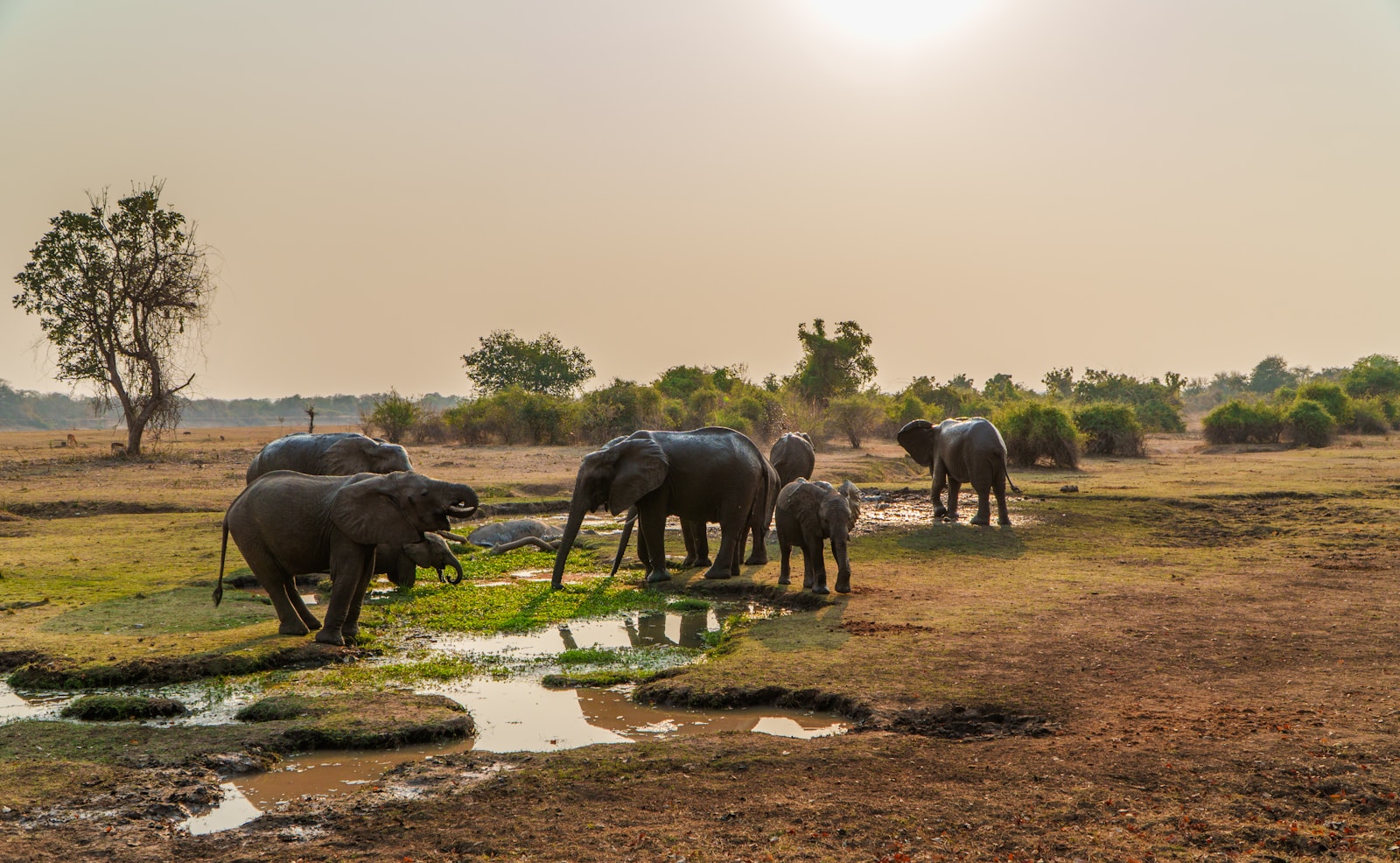
Photo by Ed Wingate on Unsplash
About South Luangwa National Park
South Luangwa is one of Africa's great safari secrets. While the headline parks of East and Southern Africa attract the bulk of international visitors, South Luangwa quietly delivers some of the continent's most rewarding wildlife experiences, and does so with a fraction of the crowds. The Luangwa River, a tributary of the Zambezi, runs through the heart of the park and forms the backbone of the ecosystem. In the dry season the river shrinks to a series of lagoons that draw enormous concentrations of game: elephant, hippo, buffalo, lion, leopard, and over 400 species of bird.
The park's defining experience is the walking safari. South Luangwa is where the modern walking safari was invented in the late 1950s by the legendary conservationist Norman Carr, and the tradition has been carried forward by some of the best-trained safari guides in Africa. A typical walk lasts 3-4 hours, led by an armed scout and a senior guide, and focuses on tracking, plant identification, geology, and the small details of the bush that you miss from a vehicle. There is no substitute for approaching elephant or hippo on foot, it changes your relationship with the bush in a way no game drive ever could.
Leopard sightings in South Luangwa are exceptional, many guides will tell you it is the best leopard park in Africa, and the night drives, which start at sunset and run for two hours, regularly produce leopard, civet, genet, porcupine, and the occasional pangolin. The camps are intimate, mostly small bush camps with 4-8 tents, and the lodge owners are often the guides, many of them second or third generation Luangwa families who know the valley intimately. Combine this with very limited concession size and a strict ethic against off-roading or crowding sightings, and the result is a safari that feels completely uncrowded even in peak season.
Things to Do in South Luangwa National Park
Multi-day walking safari with a senior guide
The core South Luangwa experience. A typical walk is 3-4 hours in the cool of morning, but you can also do multi-day walking safaris that move between bush camps on foot, sleeping in pre-set tented camps along the river. There is nothing like it anywhere else.
Night drive from a riverside camp
South Luangwa permits night drives (which Tanzania and many other parks do not), and they are the most reliable way to see leopard in Africa. Civet, genet, porcupine, hyena, and the occasional honey badger or pangolin are all on the cards.
Game drive along the Luangwa River
Vehicle game drives at dawn and late afternoon are the standard rhythm. The river road through the central section of the park consistently delivers leopard, lion, elephant herds, and enormous concentrations of impala, puku, and waterbuck.
Stay at a remote bush camp
South Luangwa is famous for its small, owner-operated bush camps, usually 4-8 tents in remote concessions away from the main park gate. These camps offer the most intimate wildlife experiences and the best guiding ratios. Book a season ahead for the most popular ones.
Visit a Kawaza village
The Kawaza village near the park boundary runs a community-tourism programme that offers honest, well-organised cultural visits, drumming, traditional cooking, and conversations with village elders. A great half-day add-on to a safari.
Combine with the Lower Zambezi
Most South Luangwa itineraries pair the park with a few nights on the Lower Zambezi, different ecosystem, different activities (canoe safaris, river fishing), and an easy 90-minute charter flight. Together they make one of the great Zambian safari combinations.
When to Visit South Luangwa National Park
Dry Season
June, October
The classic safari season. The Luangwa shrinks to a chain of lagoons, animals concentrate around the remaining water, and walking safaris are at their best. October is the hottest and the most productive, but also the most exhausting. Book ahead.
Emerald Season
November, April
The rains transform the valley. The bush turns green, migratory birds arrive, and the river fills. Many camps close because the roads become impassable, but a handful operate boat safaris and offer dramatic photography in moody, dramatic conditions at significantly lower prices.
Shoulder
May
The roads dry out, the bush is still relatively green, and game viewing is improving fast. An excellent month for travellers who want a less crowded experience without sacrificing too much on wildlife.
Getting to South Luangwa National Park
Most visitors fly into Lusaka's Kenneth Kaunda International Airport, then connect by light aircraft charter to the park's airstrip at Mfuwe (about 90 minutes). Some operators offer charter flights direct from Lilongwe in Malawi or from Lower Zambezi. Self-drive is technically possible from Lusaka but takes a punishing 9-10 hours on rough roads, almost no international visitors do it. The dry-season tarred road from Mfuwe town to the park gate is short and easy.
Where to Stay
South Luangwa specialises in small, owner-operated bush camps. Operators like Norman Carr Safaris, Robin Pope Safaris, Bushcamp Company, and Time + Tide run multiple camps throughout the park, ranging from rustic walking-safari bush camps to more comfortable river-front lodges. Mfuwe Lodge is the largest and most accessible. For the classic Luangwa experience, choose a camp deep in the central or south parks rather than near the main gate, and stay at least 3-4 nights to do walking, driving, and night safaris properly.
Travel Tips for South Luangwa National Park
Frequently Asked Questions
- Is South Luangwa the best leopard park in Africa?
- Most experienced safari guides will say yes. The combination of high leopard density, permitted night drives, low vehicle pressure, and skilled guiding makes leopard sightings here more reliable and more intimate than almost anywhere else on the continent.
- Walking safari or game drives?
- Both. A typical itinerary alternates between morning walks, mid-morning drives, afternoon rest, and evening drives that continue into night. The walks are why people choose South Luangwa; the drives keep the wildlife portfolio balanced.
- How does South Luangwa compare to the Serengeti or Kruger?
- Smaller, quieter, more intimate, and weighted toward leopard rather than the Big Five. You will see fewer animals total, but the experience is more personal and the camps are far less crowded. It is the safari for travellers who want depth over volume.
- How many days do I need?
- Three to four nights minimum. Less than three and you feel rushed; five to six lets you split between two camps in different parts of the park. Combining with Lower Zambezi for a total of 7-10 nights is the classic Zambian safari trip.
Explore More, South Luangwa National Park
Plan Your Trip
More in Zambia
Victoria Falls
One of the seven natural wonders of the world, Victoria Falls is twice the height of Niagara and one and a half times as wide. The Zambian s…
Lower Zambezi National Park
A pristine 4,000-square-kilometre stretch of the Zambezi floodplain, where elephants wade in the river and canoe safaris glide past hippos a…
Kafue National Park
Zambia's largest park, 22,400 square kilometres of miombo woodland, river corridor, and the seasonal Busanga floodplain. Cheetah, wild dogs,…
Liuwa Plains National Park
Africa's second-largest wildebeest migration, on a vast minimalist floodplain in remote western Zambia. Dominant spotted hyena clans, intact…
Kasanka & Bangweulu Wetlands
The world's largest mammal migration, 10 million fruit bats descending on a single grove in Kasanka National Park each November, and the sho…
Lake Tanganyika
The world's longest freshwater lake, 673 kilometres of clear, mountain-edged water in northern Zambia. Endemic cichlid diving, sport fishing…
Northern Circuit Waterfalls
Seventeen significant waterfalls in northern Zambia, Kalambo's 235-metre plunge, Lumangwe's 150-metre curtain, Chishimba's three-cascade hik…
Lusaka
Zambia's primary international entry point and one of the fastest-growing cities in Africa. The Kabwata Cultural Centre, a maturing restaura…
Cultural Heritage & Shiwa Ng'andu
Zambia's 73 ethnic groups, 100+ annual ceremonies, and the country's most improbable architectural relic, the 1920s Italianate manor of Shiw…