
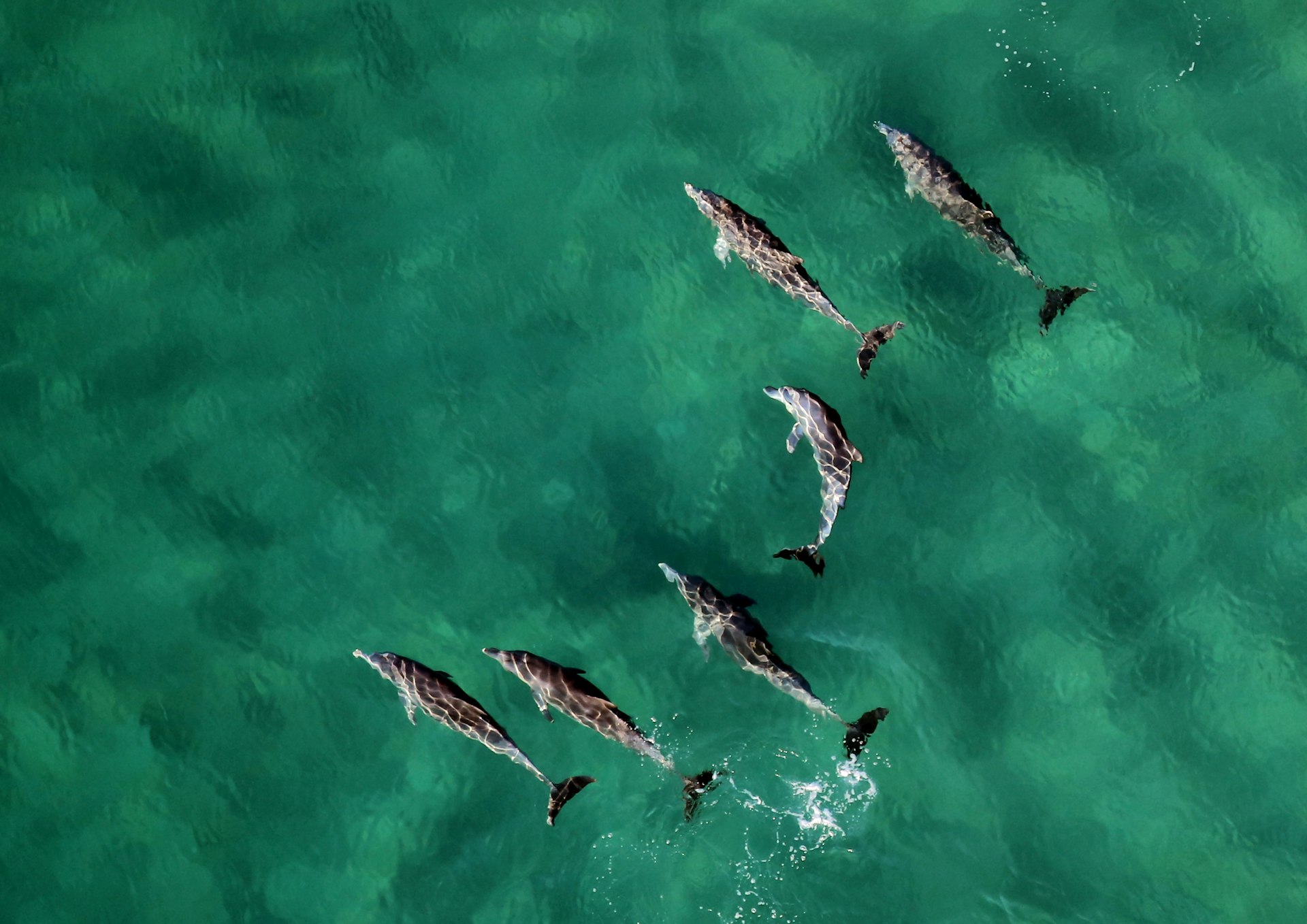
Ponta do Ouro
Mozambique's southernmost coastal village, a short drive from the Kosi Bay border with South Africa. Ethical wild dolphin snorkelling with resident bottlenose pods, productive reef diving, sea turtle nesting beaches, and the country's most accessible beach destination from the Johannesburg–Durban corridor.
Wild Dolphins and Southern Reefs
Photo by Wynand Uys on Unsplash
About Ponta do Ouro
Ponta do Ouro sits at the extreme southern tip of Mozambique, a short drive from the South African border at Kosi Bay, accessible via the newly paved highway running through the Maputo National Park from the capital. It is the closest point in Mozambique to South Africa's tourist circuits, and the combination of good road access, excellent marine life, and a relative ease of logistics has made it the most accessible of Mozambique's coastal destinations. The town is small and unpretentious, beach accommodation, a handful of restaurants, dive operators, fishing charter companies, and the particular atmosphere of a place that exists primarily for the water.
The water is the reason. The reefs offshore from Ponta do Ouro support extraordinary marine life, and the resident dolphin pods that inhabit these waters have made the area internationally recognised for ethical wild dolphin encounters. The resident dolphin programme is one of the longest-established and most ethically rigorous wild dolphin operations in the Indian Ocean. Bottlenose dolphins inhabit these waters year-round, and the encounter protocol has been developed over many years to minimise disturbance: snorkellers enter the water only when dolphins have voluntarily approached the boat, encounters are never initiated by pursuit; time in the water is limited to avoid habituation that might affect natural feeding behaviour; boat numbers at any single dolphin group are restricted. The result is encounters of extraordinary intimacy, dolphins that approach out of curiosity rather than conditioning, interacting with snorkellers on their own terms.
Beyond the dolphins, Ponta do Ouro's reef systems are less famous than Tofo or the Bazaruto Archipelago but are genuinely productive, walls and pinnacles supporting reef sharks, manta rays (seasonal), loggerhead turtles, and large populations of reef fish. The relative accessibility of the sites from the beach makes Ponta practical for divers who want to combine reef diving with land-based activities. Turtle dives during the nesting season (November–February) provide exceptional encounters with loggerhead and leatherback turtles at the reef feeding sites, in addition to the nesting beach walks available at night. Deep-sea fishing, surfing, and quad biking on the coastal dune terrain north of the village round out the activity portfolio.
Things to Do in Ponta do Ouro
Wild dolphin snorkelling
The area's signature activity. Ethical encounters with resident bottlenose pods, snorkellers enter only when dolphins voluntarily approach the boat; pursuit is prohibited. Encounters are typically 20–40 minutes with the animals interacting on their own terms. The ethical distinction from commercial "swim with dolphins" programmes is significant.
Scuba dive the southern reefs
Walls and pinnacles supporting reef sharks, manta rays (seasonal), loggerhead turtles, and large reef fish populations. Less famous than Tofo or Bazaruto but genuinely productive. Multiple sites within short boat range from the beach, making Ponta practical for divers who want to combine reef diving with terrestrial activities.
Turtle nesting walks
Loggerhead and leatherback turtles use Ponta's beaches as nesting grounds (November–February). Night walks led by trained ranger guides provide close, respectful observation of nesting and (later in the season) hatching events. One of the most specialised wildlife experiences on the southern Mozambican coast.
Deep-sea fishing charters
The channel waters hold large pelagic species, marlin, sailfish, dorado, yellowfin tuna. Chartered fishing boats operate from Ponta with experienced crews and appropriate tackle. Half-day, full-day, and multi-day fishing trips available; conservation-conscious operators practise tag-and-release for marlin and sailfish.
Surf the Indian Ocean swell
Consistent Indian Ocean swell makes the beach surf-appropriate for intermediate to advanced surfers. The exposed coastal position produces reliable waves through the year. Beginner surf lessons available through local operators in the village.
Quad bike the dune terrain
The coastal dune terrain north of Ponta do Ouro is accessible by guided quad bike excursion, open dune systems, coastal woodland, and elevated viewpoints over the ocean. A popular terrestrial complement to the marine activities, particularly for groups with non-divers.
When to Visit Ponta do Ouro
Optimal Diving
April, October
The dry-season window. Calm seas, excellent visibility, and reliable dolphin encounters. Reef diving conditions at their best. Pleasant air temperatures for non-divers, the beach is genuinely usable during the southern hemisphere autumn and winter.
Turtle Nesting
November, February
Loggerhead and leatherback turtles arrive on the beaches to nest. Night turtle walks led by ranger guides are an extraordinary specialist activity. Hatchings begin in late January through February. Cyclone risk increases in this window; sea conditions can be variable.
South African School Holidays
December, January / July
Peak South African family holiday periods see Ponta fill with weekenders and longer-stay South African visitors. Accommodation books out months ahead; rates increase. Atmosphere shifts to family-resort character.
Getting to Ponta do Ouro
From Maputo, the newly paved highway running through the Maputo National Park connects the capital to Ponta do Ouro in approximately 2.5–3 hours. This road was previously impassable for standard vehicles; the paving has transformed access. From South Africa, the Kosi Bay border crossing is approximately 15km from Ponta, making this the most straightforward Mozambican destination for South African visitors arriving by road. From Durban it is approximately 150km. Confirm current border crossing hours and requirements before travel.
Where to Stay
Ponta Mar Resort is the premium option, comfortable, well-managed, and connected to the marine activity operators. Casa do Mozambique is a reliable, affordable guesthouse, good value for budget-conscious visitors primarily focused on diving and beach time. Self-catering chalets cater to the South African family market. Two to four nights covers the marine activities and the village atmosphere comfortably.
Travel Tips for Ponta do Ouro
Frequently Asked Questions
- How does Ponta do Ouro compare to other dolphin destinations?
- Ponta's ethical credentials are among the strongest in the Indian Ocean. The encounters are wild, dolphins choose to approach, rather than conditioned. The protocol distinguishes Ponta from many "swim with dolphins" programmes that involve pursuit, baiting, or captivity. For travellers who want a wild encounter rather than a commercial one, Ponta is one of the best destinations on the continent.
- Are the dolphin sightings reliable?
- Generally yes, the resident pods are present year-round, and ethical operators have strong success rates over a 4-night stay. Single-day visitors should not expect a guaranteed encounter; multi-day visitors with 2–3 dolphin trips typically encounter dolphins on at least one. The animals are wild; the operators are realistic about that.
- Should I drive from Johannesburg or fly to Maputo?
- Driving from Johannesburg via the Kosi Bay border is practical for South African residents and visitors with rental cars; the journey is approximately 8–9 hours including the border crossing. Flying to Maputo and driving south on the new paved highway is the alternative for international visitors. Both work; the Kosi Bay route is shorter for visitors approaching from KwaZulu-Natal.
- How does Ponta compare to Tofo?
- More accessible from South Africa; less famous internationally; similar quality reef diving but Tofo's whale shark and manta ray credentials are more distinctive. Ponta's dolphin encounters are unique. For South African family travellers, Ponta is more practical; for international diving-focused travellers, Tofo is the stronger choice. Both are valid Mozambican coastal experiences.
Explore More, Ponta do Ouro
Plan Your Trip
More in Mozambique
Bazaruto Archipelago
Five islands and 1,260 square kilometres of protected Indian Ocean off Vilanculos. The last viable dugong population in the western Indian O…
Gorongosa National Park
The Mozambican national park whose 90%+ wildlife loss during the civil war has been reversed by a 20-year science-led restoration project. L…
Tofo Beach & the Manta Coast
A laid-back beach town 22km east of Inhambane on the Manta Coast, sustained by the plankton-rich Mozambique Current that brings whale sharks…
Inhambane City
A 10th-century Swahili port that became a Portuguese colonial hub, now a quiet, palm-shaded city of layered colonial architecture, ancient m…
Maputo
Mozambique's harbour capital, wide, tree-lined avenues, an architectural heritage layering Arab, French, Portuguese, and African influences,…
Ilha de Moçambique
A 3km island off the Nampula coast that served as the capital of Portuguese East Africa for nearly 400 years. The Chapel of Nossa Senhora de…
Maputo National Park
Proclaimed in 2021, this Peace Parks-managed reserve combines coastal dune forest, lagoons, and grassland with a protected marine zone, habi…
Bilene & the Uembje Lagoon
A 27km calm-water lagoon separated from the Indian Ocean by sand dunes, the safest swimming destination on the Mozambican coast. Kiteboardin…
Quirimbas Archipelago
The Quirimbas Archipelago, 32 coral islands off northern Mozambique's Cabo Delgado coast, is currently subject to Level 4 "Do Not Travel" ad…