
Maputo
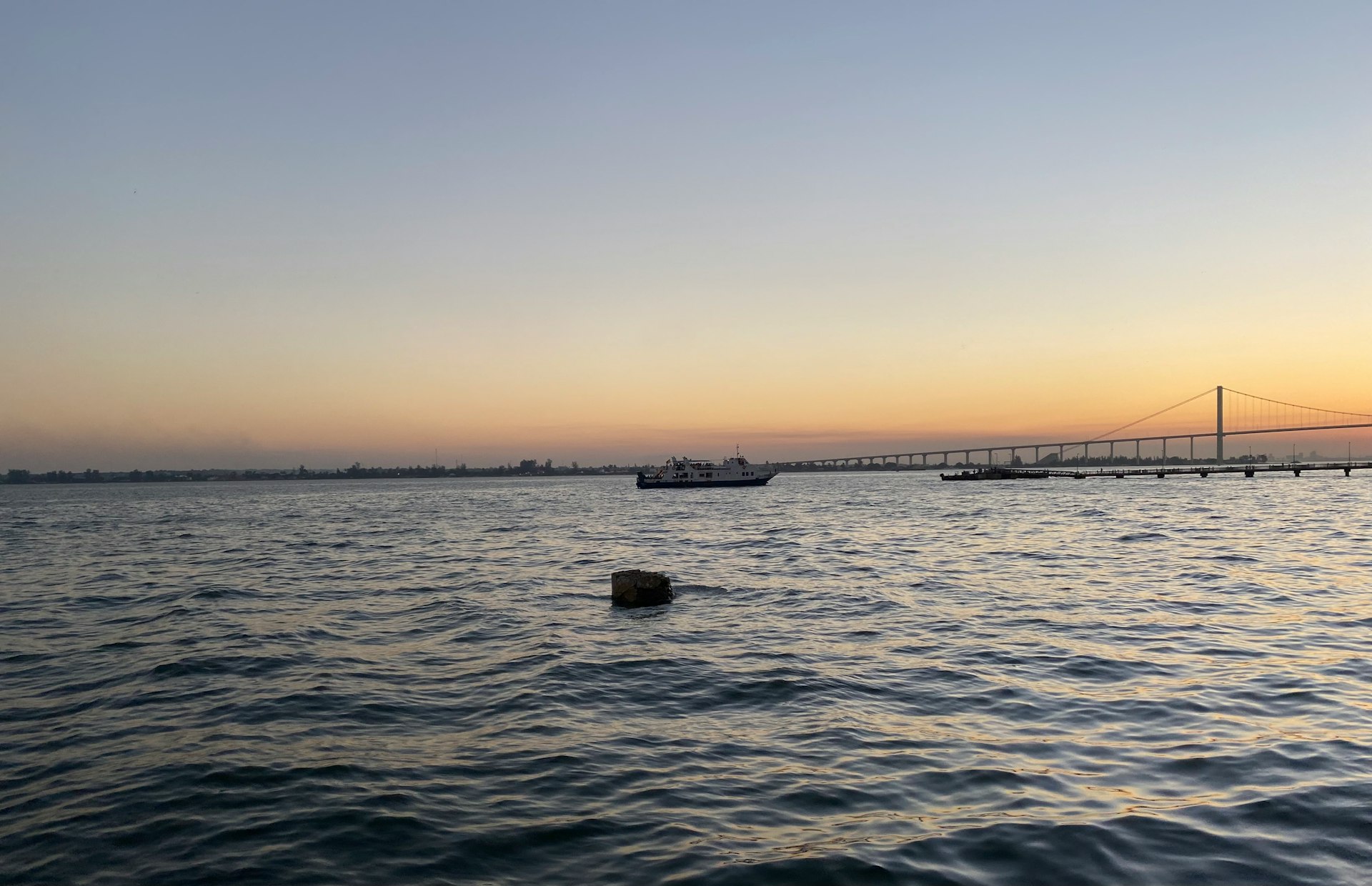
Mozambique's harbour capital, wide, tree-lined avenues, an architectural heritage layering Arab, French, Portuguese, and African influences, a sophisticated dining scene anchored by the Fish Market, and a starting point for the rest of the country.
Mozambique's Cosmopolitan Capital
Photo by Valério Maúnde on Unsplash
About Maputo
Maputo is not what first-time travellers to Mozambique typically expect. They arrive braced for a developing-world capital of limited appeal and find instead a city of genuine cosmopolitan character, wide, tree-lined avenues, an eclectic architectural heritage that layers Arab, French, Portuguese, and African influences, a sophisticated dining scene anchored by exceptional seafood, and a harbour of sweeping natural scale. The city is not without its challenges: urban crime requires the same vigilant management as any major African capital; the infrastructure is uneven; and the contrast between the luxury hotels and the poverty of the peripheral neighbourhoods is stark and unresolvable by a visitor's gaze. But Maputo is a city that rewards engagement, the kind that comes from staying an extra night, eating at the Fish Market, walking the avenues between the major monuments, and allowing the city's particular urban rhythm to establish itself before moving on.
The Fortaleza de Maputo is the city's most substantial historical monument, a star-shaped fort built by the Portuguese in the late 18th century, with thick walls and bastions in good repair, a small military museum documenting the colonial period and independence struggle, and ramparts providing the best elevated views over the bay. Maputo Central Railway Station is one of the most frequently photographed buildings in Mozambique, Beaux-Arts style with a distinctive pale green dome, completed in 1910 and remaining one of the finest examples of colonial public architecture on the East African coast. The interior concourse is still operational. The Polana Serena Hotel, Maputo's most historically significant hotel, built in the 1920s, has been the address of choice for visiting diplomats, journalists, and heads of state for a century; afternoon tea on the terrace overlooking the bay is one of Maputo's more civilized pleasures.
The most democratic culinary institution is the Fish Market, a harbour-side market where you select your seafood from the morning catch (tiger prawns, crab, crayfish, calamari, reef fish) and the vendors grill or fry it to order at charcoal stations along the perimeter. The result is some of the best and most honest seafood available anywhere in the city, at a fraction of the restaurant price. Beyond the historic monuments, Maputo's culinary scene ranges from hotel dining rooms (Polana, Radisson Blu, Southern Sun) to excellent independent seafood and Portuguese-influenced restaurants along Avenida Julius Nyerere and around Sommershield. The neo-Gothic Maputo Cathedral, the prominent twin towers visible from considerable distance, anchors the central historic district. Two nights minimum to engage with the city; three nights for full exploration.
Things to Do in Maputo
Tour the Fortaleza de Maputo
The city's most substantial historical monument, a star-shaped Portuguese fort built in the late 18th century to defend the harbour. Thick walls and bastions in good repair; small but informative military museum documenting the colonial period and independence struggle. Ramparts provide the best elevated views over the bay from within the city.
Photograph the Maputo Central Railway Station
One of the most frequently photographed buildings in Mozambique, Beaux-Arts style with a distinctive pale green dome, completed in 1910. Remains one of the finest examples of colonial public architecture on the East African coast. The interior concourse is still operational; arriving or departing by train is worth doing for the experience of the space itself.
Eat lunch at the Fish Market
Maputo's most democratic culinary institution. Select your seafood from the morning catch, tiger prawns, crab, crayfish, calamari, reef fish, and the vendors grill or fry it to order at charcoal stations. Some of the best and most honest seafood in the city at a fraction of the restaurant price. Go for lunch; go hungry.
Take afternoon tea at the Polana Serena
Maputo's most historically significant hotel, a 4.5-star heritage property that has been the address of choice for visiting diplomats, journalists, and heads of state since the 1920s. The gardens, twin pools, and colonial-era architecture are worth experiencing regardless of where you're staying. Afternoon tea on the terrace overlooking the bay is one of Maputo's more civilized pleasures.
Walk the central historic district
Maputo Cathedral (neo-Gothic with prominent twin towers) anchors the central square. From here, walking the avenues, Avenida Julius Nyerere, Avenida Eduardo Mondlane, through the colonial commercial heart of the city covers the major architectural set pieces. Daytime walking is safe with standard precautions; engage warmly with the urban energy.
Cross to South Africa via Lebombo
Maputo connects to Nelspruit and Johannesburg via the N4 highway and the Lebombo/Ressano Garcia border, Mozambique's busiest overland crossing. Regular coach services (Intercape, Luciano) operate this route; the journey to Johannesburg takes 8–10 hours. Useful for travellers combining Mozambique with South African safari.
When to Visit Maputo
Cool Dry
April, September
The most comfortable window for walking the city. Sunny days, cool to mild temperatures, low humidity, and clear visibility from the fort ramparts and the Polana terrace. The Fish Market is at its most pleasant for outdoor lunch.
Warm Dry
October, November
Warmer days but still dry. The pre-rains period; afternoon clouds occasional but persistent rain rare. Quieter than the peak winter window.
Wet Season
December, March
High heat and humidity; afternoon thunderstorms common. Cyclone risk peaks January–February. Indoor activities (Polana, Radisson Blu, hotel dining rooms) are unaffected; outdoor walking tours are uncomfortable in the midday heat. Lower hotel rates.
Getting to Maputo
Maputo International Airport (MPM) is approximately 5km from the city centre, a 15–20 minute drive in normal traffic. Direct international flights from Johannesburg, Lisbon (TAP), Doha (Qatar Airways), and several regional African capitals. From the airport, official taxis and hotel transfers are the reliable options. Within the city, Uber operates and is the standard transport for visitors, metered, safe, and significantly more reliable than flagging street taxis. The Lebombo border to South Africa is approximately 90km away on the N4 highway; coach connections to Nelspruit and Johannesburg are reliable.
Where to Stay
Polana Serena Hotel is the heritage benchmark, 4.5 stars with spa, dual pools, and colonial grandeur, the most characterful address in the city. Radisson Blu Hotel & Residence offers full 5-star facilities, the most reliable international-standard option for business travellers. Southern Sun Maputo is well-positioned, reliable, and well-regarded by repeat visitors. Afrin Prestige is a mid-range boutique option with personalised service. Two nights minimum for cultural exploration; three nights for thorough engagement plus a Maputo National Park or Bilene day trip.
Travel Tips for Maputo
Frequently Asked Questions
- Is Maputo safe for tourists?
- Yes, with active rather than passive security management. Walking after dark in specific zones is genuinely dangerous; Uber-to-Uber for evenings is the standard protocol. Daytime walking in the central historic district and the Polana area is safe with normal urban precautions. Most travellers complete Maputo visits without incident.
- How does Maputo compare to other African capitals?
- Closer in character to Luanda or Dakar than to Johannesburg or Nairobi, Lusophone heritage, harbour orientation, layered colonial architecture, and a Mediterranean-influenced food scene. The Polana hotel echoes Buenos Aires more than Cape Town. The Fish Market is unique. Maputo is its own thing.
- Should I rent a car in Maputo?
- For city-only stays, no, Uber covers everything urban. For combined trips with Bilene, Tofo, Maputo National Park, or Ponta do Ouro, rental cars from MPM Airport are the standard option. The N1 north and the N4 south (toward South Africa) are paved and well-maintained.
- How does the Lebombo border crossing work?
- It is Mozambique's busiest overland crossing. Mozambique requires foreign currency declaration on entry and a maximum exit limit of US$5,000. Coach services through the border (Intercape, Luciano) handle the formalities; self-drivers should expect the crossing to take 1–2 hours during peak times. Vehicle import permits are straightforward for South African rentals.
Explore More, Maputo
Things To Do
Plan Your Trip
Guides
More in Mozambique
Bazaruto Archipelago
Five islands and 1,260 square kilometres of protected Indian Ocean off Vilanculos. The last viable dugong population in the western Indian O…
Gorongosa National Park
The Mozambican national park whose 90%+ wildlife loss during the civil war has been reversed by a 20-year science-led restoration project. L…
Tofo Beach & the Manta Coast
A laid-back beach town 22km east of Inhambane on the Manta Coast, sustained by the plankton-rich Mozambique Current that brings whale sharks…
Inhambane City
A 10th-century Swahili port that became a Portuguese colonial hub, now a quiet, palm-shaded city of layered colonial architecture, ancient m…
Ilha de Moçambique
A 3km island off the Nampula coast that served as the capital of Portuguese East Africa for nearly 400 years. The Chapel of Nossa Senhora de…
Ponta do Ouro
Mozambique's southernmost coastal village, a short drive from the Kosi Bay border with South Africa. Ethical wild dolphin snorkelling with r…
Maputo National Park
Proclaimed in 2021, this Peace Parks-managed reserve combines coastal dune forest, lagoons, and grassland with a protected marine zone, habi…
Bilene & the Uembje Lagoon
A 27km calm-water lagoon separated from the Indian Ocean by sand dunes, the safest swimming destination on the Mozambican coast. Kiteboardin…
Quirimbas Archipelago
The Quirimbas Archipelago, 32 coral islands off northern Mozambique's Cabo Delgado coast, is currently subject to Level 4 "Do Not Travel" ad…