
Ilha de Moçambique
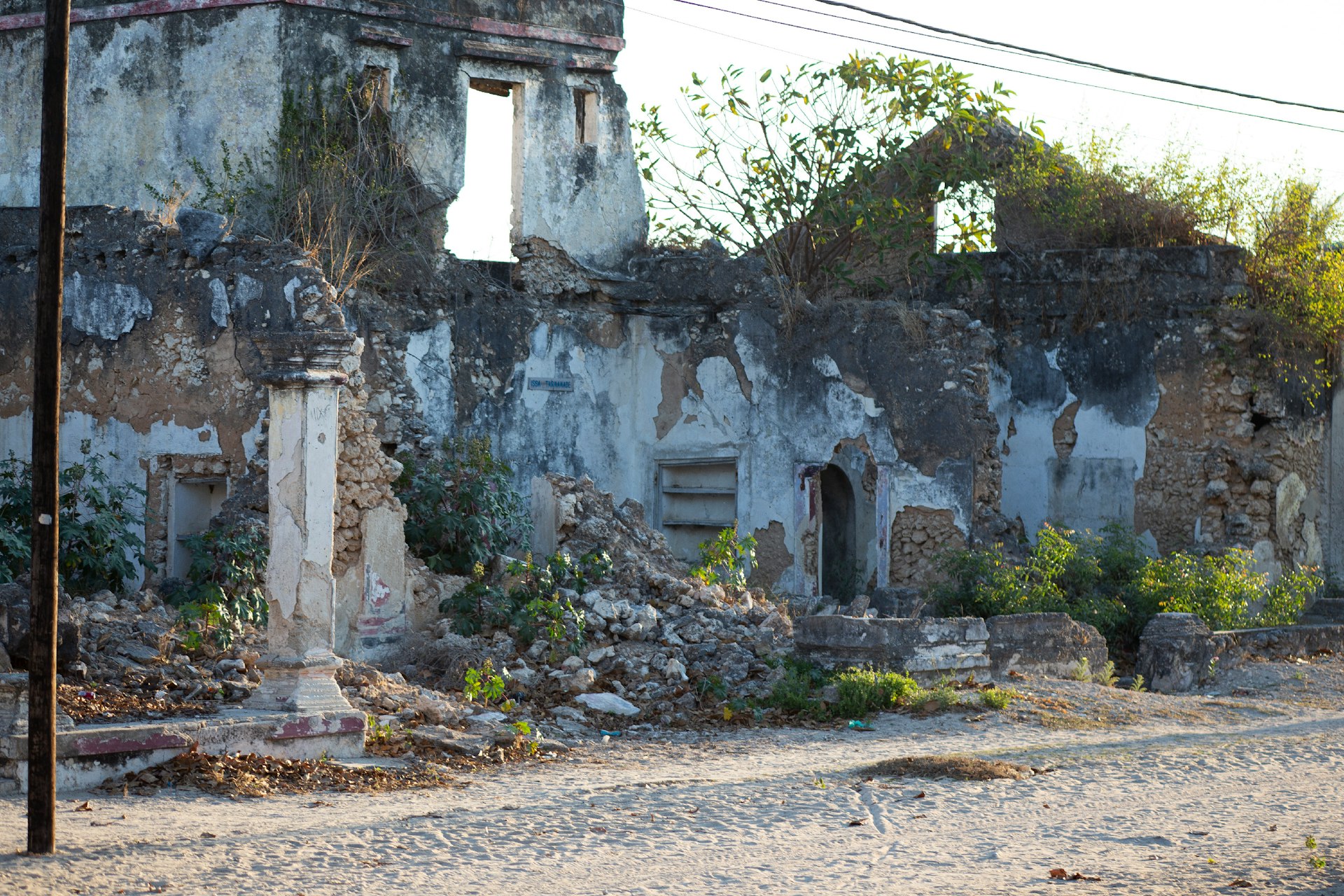
A 3km island off the Nampula coast that served as the capital of Portuguese East Africa for nearly 400 years. The Chapel of Nossa Senhora de Baluarte, completed in 1522, is the oldest European building in the southern hemisphere. UNESCO-listed Stone Town with cobbled streets and crumbling colonial mansions.
UNESCO World Heritage Port, Four Centuries of History
Photo by Claudia Salamone on Unsplash
About Ilha de Moçambique
The island is small, 3km long, 500m wide, and it was the capital of Portuguese East Africa for nearly four centuries. Every significant event in the colonial history of the region passed through this island: Vasco da Gama anchored here in 1498 on his first voyage to India. The Fort of São Sebastião has stood since 1558. The Chapel of Nossa Senhora de Baluarte, completed in 1522 on the foundations of a pre-existing mosque, is the oldest European building still standing in the southern hemisphere. To walk the cobbled streets of Stone Town, past the crumbling grandeur of colonial mansions, the domed cathedral, and the fort that repelled Arab and Dutch attacks across two centuries, is to walk through a compressed version of the Indian Ocean's colonial history. It is quieter than Zanzibar's Stone Town, less commercialised, and more profoundly isolated. The isolation is part of the point.
The island served as a natural harbour on the Swahili coastal trade route centuries before Portuguese contact, its sheltered anchorage on the route between the East African interior and the Indian subcontinent making it a natural waypoint for Arab dhow traders exchanging gold, ivory, and enslaved people from the mainland for textiles, porcelain, and spices from India and Persia. From 1507 until 1898, when the capital was transferred south to the newly developed port of Lourenço Marques (now Maputo), Ilha de Moçambique functioned as the administrative, commercial, and ecclesiastical centre of Portuguese East Africa. The island divides into two socioeconomically distinct zones: Stone Town in the historic northern section contains the colonial buildings and has historically been the residence of the ruling class and commercial elite; Makuti Town to the south houses the local population in traditional structures built with palm thatch, sitting slightly below sea level and vulnerable to flooding.
**Important security note**: Ilha is in Nampula Province, where specific districts (Erati and Memba) are subject to security advisories related to the Cabo Delgado insurgency. The island itself and the provincial capital of Nampula are generally stable, and the main travel corridor (Nampula city to the island bridge) is currently considered safe. Check your government's current advisory before booking. The Fort of São Sebastião, built between 1558 and 1620, is the most complete and best-preserved Portuguese colonial fort in the western Indian Ocean, housing the historically pivotal 1522 chapel within its walls. Walking tours of Stone Town with local guides, dhow excursions to nearby Goa and Sete Paus islands, mangrove snorkelling, and overnight stays in restored 19th-century trading houses (Villa Sands, Casa das Ondas) round out the experience. Two to three nights minimum to absorb what the cobblestones and the chapel actually represent.
Things to Do in Ilha de Moçambique
Visit the Fort of São Sebastião
Built between 1558 and 1620, the most complete and best-preserved Portuguese colonial fort in the western Indian Ocean. The fort houses the Chapel of Nossa Senhora de Baluarte within its walls, the tiny, beautifully maintained chapel completed in 1522 that represents the oldest surviving European building in the southern hemisphere. The combination of architectural integrity and historical primacy makes this the single most significant site on the island.
Walk Stone Town with a local guide
The cobbled streets of Stone Town are best navigated with a local guide who provides the layered historical and social context that the physical architecture alone cannot communicate. The walking tour typically covers the Fort, the Governor's Palace, the Cathedral of Our Lady of the Bastion, the Old Mosque, and the trading house facades, each representing a different chapter in the island's four centuries of Portuguese administration.
Sail a dhow to Goa and Sete Paus
Traditional wooden dhow excursions visit the small nearby islands of Goa and Sete Paus, uninhabited outcrops surrounded by clear water and accessible for snorkelling in the reef systems that fringe the island group. The combination of traditional dhow sailing and the historical context creates one of Mozambique's most atmospheric day excursions.
Snorkel the mangroves
The mangrove systems around the island's southern shore are accessible by boat for snorkelling, an unusual and ecologically interesting alternative to coral reef diving, revealing the diverse fish and crustacean communities that inhabit the mangrove root systems. A different register from the open-ocean diving available further south.
Stay in a restored trading house
Villa Sands and Casa das Ondas are meticulously restored 19th-century trading houses, antique wooden furniture, original tile floors, and ocean views. The most historically immersive stays on the island, both small and carefully managed, both booking well in advance during the limited peak season (July–September).
Photograph at sunset
The light on the colonial facades in the late afternoon is exceptional for photography, long shadows on the cobblestones, the patina of four centuries of weathering on the walls, the dhows in the harbour catching the gold light. Stone Town is one of the most photogenic colonial heritage sites on the African coast.
When to Visit Ilha de Moçambique
Cool Dry
June, September
The most comfortable window for walking the cobbled streets and exploring the fort under tropical sun. Lower humidity and milder temperatures make the historical walking circuit genuinely pleasant. The peak window for the limited boutique accommodation; book well in advance.
Warm Shoulder
April, May / October
Warmer but still manageable. The market is active, the fort is accessible, and visitor numbers are lower than peak. Good value for travellers willing to manage tropical heat.
Hot Wet Season
November, March
Intensely hot and humid. Cyclone season risks the broader Mozambique Channel coast (less severe at this latitude than Bazaruto). Stone Town walking tours are uncomfortable in the midday heat. Lower visitor numbers and rates.
Getting to Ilha de Moçambique
Fly Maputo to Nampula (APL) on LAM, approximately 2 hours. Road transfer from Nampula city to the island bridge takes 2–3 hours; local bus (chapa) is available for 3–4 hours but slower and less comfortable. The bridge, a 3.5km causeway, connects the island to the mainland. Check your government's current Nampula Province travel advisory before booking. The Cabo Delgado-related security situation in the broader province requires monitoring; the main travel corridor (Nampula city to the island) is currently considered safe.
Where to Stay
Villa Sands is a meticulously restored 19th-century trading house in Stone Town, antique wooden furniture, original tile floors, ocean views. The most historically immersive stay on the island. Casa das Ondas (House of Waves) is a similar boutique restoration with direct ocean frontage and a deeply atmospheric character. Both properties are small, carefully managed, and book well in advance during the limited peak season.
Travel Tips for Ilha de Moçambique
Frequently Asked Questions
- Is it safe to travel to Ilha de Moçambique now?
- The island itself and the main travel corridor (Nampula airport to the island bridge) are currently considered safe. The broader Nampula Province has districts under Cabo Delgado-related security advisories. Check your government's current advisory before booking and again before departure, the situation evolves. Most international travellers complete Ilha visits without incident.
- How does Ilha compare to Zanzibar's Stone Town?
- Quieter, less commercialised, and more profoundly isolated. Zanzibar is a major global tourism destination with comprehensive infrastructure; Ilha sees a fraction of the visitor volume. The historical density is comparable, both are UNESCO Stone Towns with Swahili-Portuguese heritage. Ilha is the more contemplative, less curated experience for travellers who want the heritage without the crowd.
- Is the chapel really the oldest European building in the southern hemisphere?
- Yes. Completed in 1522, the Chapel of Nossa Senhora de Baluarte predates every other surviving European structure in the southern hemisphere. The claim is not marketing, it is the verifiable historical record. Standing inside it, on hand-laid stone floors that predate the colonisation of most of the world below the equator, has the quality of genuine intellectual vertigo.
- How long should I stay?
- Two to three nights minimum. Less than two feels rushed given the access logistics. Three nights allows the fort, walking tour, dhow excursion, and unhurried absorption of the island's atmosphere. Most travellers don't manage longer because of the limited boutique accommodation and the long return to a major city.
Explore More, Ilha de Moçambique
Things To Do
Plan Your Trip
More in Mozambique
Bazaruto Archipelago
Five islands and 1,260 square kilometres of protected Indian Ocean off Vilanculos. The last viable dugong population in the western Indian O…
Gorongosa National Park
The Mozambican national park whose 90%+ wildlife loss during the civil war has been reversed by a 20-year science-led restoration project. L…
Tofo Beach & the Manta Coast
A laid-back beach town 22km east of Inhambane on the Manta Coast, sustained by the plankton-rich Mozambique Current that brings whale sharks…
Inhambane City
A 10th-century Swahili port that became a Portuguese colonial hub, now a quiet, palm-shaded city of layered colonial architecture, ancient m…
Maputo
Mozambique's harbour capital, wide, tree-lined avenues, an architectural heritage layering Arab, French, Portuguese, and African influences,…
Ponta do Ouro
Mozambique's southernmost coastal village, a short drive from the Kosi Bay border with South Africa. Ethical wild dolphin snorkelling with r…
Maputo National Park
Proclaimed in 2021, this Peace Parks-managed reserve combines coastal dune forest, lagoons, and grassland with a protected marine zone, habi…
Bilene & the Uembje Lagoon
A 27km calm-water lagoon separated from the Indian Ocean by sand dunes, the safest swimming destination on the Mozambican coast. Kiteboardin…
Quirimbas Archipelago
The Quirimbas Archipelago, 32 coral islands off northern Mozambique's Cabo Delgado coast, is currently subject to Level 4 "Do Not Travel" ad…