
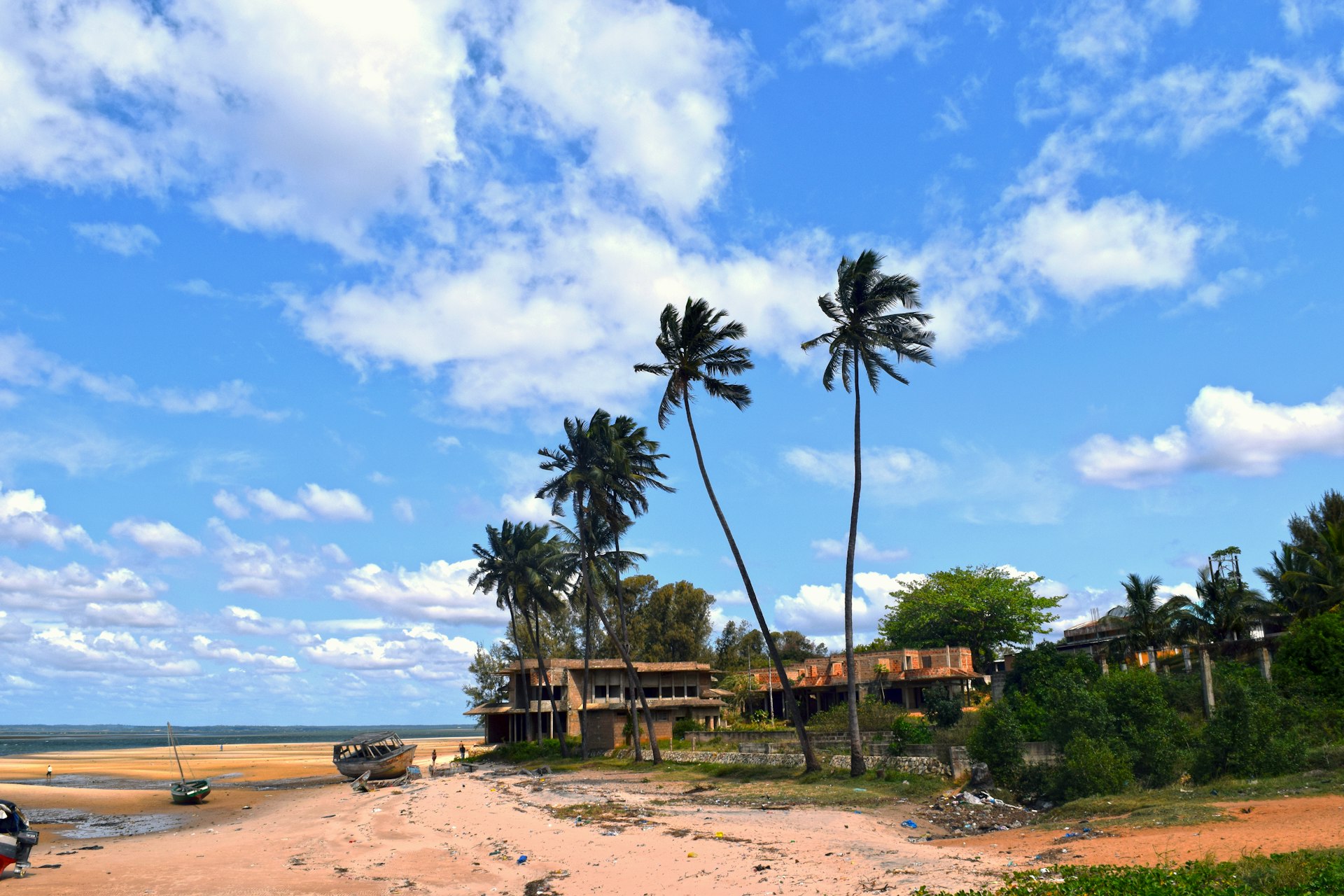
Inhambane City
A 10th-century Swahili port that became a Portuguese colonial hub, now a quiet, palm-shaded city of layered colonial architecture, ancient mosque and cathedral, and the dhow ferry crossing to Maxixe. The practical gateway to Tofo Beach, 22km east.
Ancient Swahili Port on the Indian Ocean
Photo by Omoniyi David on Unsplash
About Inhambane City
Inhambane was already a functioning port when the Portuguese arrived. Founded in the 10th century as a node on the ancient Swahili trade network, the coastal system of Arab and Persian merchants connecting East Africa's interior gold and ivory to markets in India and China, the city served as a dhow anchorage, a spice depot, and a centre of cultural exchange long before European contact. The Portuguese found a working city and made it one of their own: a hub for ivory extraction, slave trading, and, later, the whaling industry that operated out of this harbour into the 20th century.
The colonial architecture that resulted from four centuries of Portuguese occupation now lines the palm-shaded avenues in various states of faded grandeur, ochre and white facades, wrought-iron balconies, shuttered colonial windows, creating one of the most atmospherically layered urban streetscapes in Mozambique. The Cathedral of Our Lady of the Conception dominates the town centre with its clock tower providing the best elevated viewpoint over the bay. The Old Mosque, one of the oldest Islamic places of worship on this stretch of the coast, reflects the pre-Portuguese Swahili trading community's continuing presence and serves the local Muslim community today. The remains of the Portuguese defensive fortification and the colonial trading houses round out a 2–3 hour walking circuit through the historic urban core.
Today, Inhambane is quieter than Maputo, more historically contemplative than tourist-packaged, and significantly easier to explore on foot in an afternoon than its historical density might suggest. It is also the practical gateway to Tofo Beach, 22km east on a good road, and serves as the transit point for the dhow ferry crossing to Maxixe across the bay. The Mercado Municipal trades in everything that Inhambane's location and history make available: fresh cashew nuts (the surrounding region is a major producer), local spices, dried fish, pottery, and the seafood brought in from the bay each morning. The dhow ferry crossing, 20 minutes across the bay on a traditional wooden dhow whose ancestors have crossed these waters for a thousand years, is the most characterful transit experience in southern Mozambique. A cold 2M beer on the harbour front while waiting for the ferry to fill, watching the fishing activity, is an entirely adequate use of the time.
Things to Do in Inhambane City
Walk the historic urban core
Inhambane's historic centre is navigable on foot in 2–3 hours, following palm-lined avenues past one of the most complete intact streetscapes of Portuguese East African urbanism remaining on the coast. Ochre and white facades, wrought-iron balconies, shuttered colonial windows. Best in early morning or late afternoon light.
Climb the Cathedral of Our Lady of the Conception
The cathedral dominates the town centre. The clock tower provides the most practical elevated viewpoint over the bay and the surrounding town. The cathedral dates from the 18th century in its current form, built on earlier Portuguese church foundations.
Visit the Old Mosque
One of the oldest Islamic places of worship on this stretch of the coast, reflecting the pre-Portuguese Swahili trading community's presence in the city. Still serves the local Muslim community. A respectful visit (covered shoulders, removed shoes for non-Muslim visitors entering the courtyard) provides historical depth.
Take the dhow ferry to Maxixe
The most characterful transit experience in Inhambane. A 20-minute crossing on a traditional wooden dhow whose ancestors have crossed these waters for a thousand years. Excellent views of the bay, the coastline, and the dhow traffic. Cold 2M beer on the harbour front while waiting for the ferry to fill.
Browse the Mercado Municipal
An honest, functional market trading in fresh cashew nuts (the surrounding region is a major producer), local spices, dried fish, pottery, and morning seafood from the bay. Not curated for tourists, the best place to engage with daily commercial life. Photography requires courteous engagement first.
Combine with Tofo
Most visitors use Inhambane as the base or transit point for Tofo Beach (22km east). Half a day in the old town combined with several nights at Tofo creates a coherent Inhambane Province stay. The walk through colonial Inhambane gives historical context for the region's economic and trading significance.
When to Visit Inhambane City
Cool Dry
April, September
The most comfortable window for walking the historic urban core. Mild temperatures, low humidity, and clear visibility from the cathedral tower. Pairs naturally with a Tofo dive trip during the optimal diving windows.
Warm Dry
October, November
Hotter days but still dry. Pre-rains season. The market is at its most active before the cyclone period; cashew harvest begins in October and the market flow picks up.
Wet Season
December, March
High heat and humidity; cyclone risk increases (particularly January–February). The old town remains accessible but walking is uncomfortable in the midday heat. Lower visitor numbers if you can tolerate the climate.
Getting to Inhambane City
Fly to Inhambane Airport (INH) on LAM from Maputo (~1 hour). By road from Maputo is approximately 489km, 7.5–9 hours via the N1 to Maxixe, then ferry or bridge to Inhambane. Fatima's shuttle from Maputo is the standard budget route. From Tofo it's a 22km road transfer, taxis, transfer services, and rental cars all available.
Where to Stay
Most visitors stay in Tofo (22km east) and treat Inhambane as a half-day excursion. For travellers wanting to be in the historic town itself, several mid-range guesthouses operate in the colonial-era buildings. Hotel Pestana Inhambane is the most established option with reliable facilities. The dhow harbour area has a handful of pousadas with bay views.
Travel Tips for Inhambane City
Frequently Asked Questions
- Is Inhambane worth a stop on the way to Tofo?
- Yes, a half-day in the old town adds historical context to the Tofo dive experience that the beach town itself doesn't provide. The cathedral, the mosque, and the dhow ferry are genuinely interesting; the colonial streetscape is one of the most layered in Mozambique.
- How does Inhambane compare to Ilha de Moçambique?
- Less spectacular and historically dense than Ilha de Moçambique, but significantly more accessible, Ilha is a long detour to Nampula Province with security advisories to monitor, while Inhambane is a quick stop on a Tofo or Bazaruto trip. Both have Swahili and Portuguese layers; Ilha is the more profound destination, Inhambane the easier one.
- Can I see the dhow ferry without crossing?
- Yes, the harbour front lets you watch the ferry traffic, the fishing boats, and the daily commercial activity without committing to the 20-minute crossing. The crossing itself is recommended if you have an hour to spare; the harbour-watching is rewarding even without it.
- How long do I need in Inhambane?
- Half a day covers the cathedral, mosque, fort, and walking circuit; a full day adds the dhow ferry and market exploration. Most visitors don't stay overnight, treating it as an excursion within a Tofo or broader Inhambane Province trip.
Explore More, Inhambane City
Things To Do
Plan Your Trip
More in Mozambique
Bazaruto Archipelago
Five islands and 1,260 square kilometres of protected Indian Ocean off Vilanculos. The last viable dugong population in the western Indian O…
Gorongosa National Park
The Mozambican national park whose 90%+ wildlife loss during the civil war has been reversed by a 20-year science-led restoration project. L…
Tofo Beach & the Manta Coast
A laid-back beach town 22km east of Inhambane on the Manta Coast, sustained by the plankton-rich Mozambique Current that brings whale sharks…
Maputo
Mozambique's harbour capital, wide, tree-lined avenues, an architectural heritage layering Arab, French, Portuguese, and African influences,…
Ilha de Moçambique
A 3km island off the Nampula coast that served as the capital of Portuguese East Africa for nearly 400 years. The Chapel of Nossa Senhora de…
Ponta do Ouro
Mozambique's southernmost coastal village, a short drive from the Kosi Bay border with South Africa. Ethical wild dolphin snorkelling with r…
Maputo National Park
Proclaimed in 2021, this Peace Parks-managed reserve combines coastal dune forest, lagoons, and grassland with a protected marine zone, habi…
Bilene & the Uembje Lagoon
A 27km calm-water lagoon separated from the Indian Ocean by sand dunes, the safest swimming destination on the Mozambican coast. Kiteboardin…
Quirimbas Archipelago
The Quirimbas Archipelago, 32 coral islands off northern Mozambique's Cabo Delgado coast, is currently subject to Level 4 "Do Not Travel" ad…