
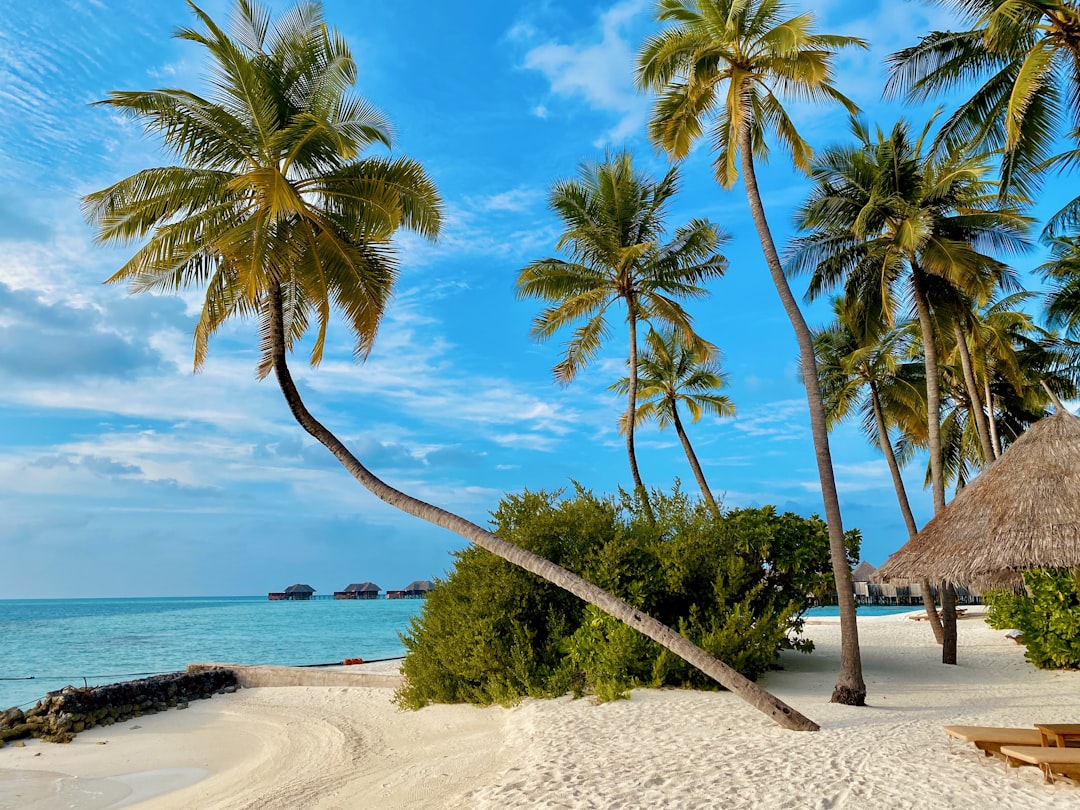
Mozambique
Africa's Indian Ocean paradise, 2,500 kilometres of coast, the Bazaruto Archipelago's last viable dugong population, year-round whale sharks at Tofo, Africa's greatest rewilding story at Gorongosa, and the UNESCO heritage of Ilha de Moçambique. Note: Cabo Delgado Province (including the Quirimbas) is currently subject to Level 4 "Do Not Travel" advisories.
Photo by redcharlie on Unsplash
About Mozambique
Mozambique occupies 2,500 kilometres of the Indian Ocean coast, a nearly unbroken stretch of white sand, coral reef, and warm tropical water that runs from the Tanzanian border in the north to the South African border in the south. That coastline is the country's defining feature, shaping its cuisine, its culture, its trade history, and the extraordinary marine biodiversity that draws divers, snorkellers, and ocean enthusiasts from across the world. The Bazaruto Archipelago holds the last viable dugong population in the western Indian Ocean and one of the most intact coral reef systems on the continent. Tofo's Manta Coast delivers year-round whale shark and giant manta ray encounters at densities and reliability that have made it internationally recognised in the diving community.
But Mozambique is more than its coast. The central highlands hold Gorongosa National Park, one of the most compelling wildlife conservation stories in Africa, an ecosystem restored from near-total destruction during the civil war (over 90% of large mammals lost) to a functioning, rewilded wilderness over the past two decades. The far north holds the UNESCO-listed Island of Mozambique, a layered colonial and Swahili trading port whose Chapel of Nossa Senhora de Baluarte (1522) is the oldest European building still standing in the southern hemisphere. The capital, Maputo, is a cosmopolitan harbour city of considerable sophistication, its architecture a physical record of Arab, Portuguese, and African urban layers, its Fish Market one of the most democratic culinary institutions on the African coast.
**Critical security note:** The northern province of Cabo Delgado has been subject to an active insurgency since 2017, and multiple international governments have issued Level 4 "Do Not Travel" advisories. The Quirimbas Archipelago, historically a premier destination, falls within this zone and is currently off-limits. Specific districts of Nampula and Niassa Provinces are similarly affected. Mozambique's southern and central tourism corridors (Maputo, Inhambane Province including Tofo, Sofala Province with Gorongosa, and the main travel corridor to Ilha de Moçambique in Nampula) remain stable and welcoming, and what they offer is genuinely exceptional. For travellers willing to monitor advisories and plan around the affected zones, Mozambique delivers a coastline, a marine biodiversity, and a recovery story that no other African destination matches.
Explore Mozambique
In-depth guides to the destinations that define a trip to Mozambique.
Mozambique's Crown Jewel Marine Park
Bazaruto Archipelago
Five islands and 1,260 square kilometres of protected Indian Ocean off Vilanculos. The last viable dugong population in the western Indian O…
Africa's Greatest Rewilding Story
Gorongosa National Park
The Mozambican national park whose 90%+ wildlife loss during the civil war has been reversed by a 20-year science-led restoration project. L…
Whale Sharks and Year-Round Manta Rays
Tofo Beach & the Manta Coast
A laid-back beach town 22km east of Inhambane on the Manta Coast, sustained by the plankton-rich Mozambique Current that brings whale sharks…
Ancient Swahili Port on the Indian Ocean
Inhambane City
A 10th-century Swahili port that became a Portuguese colonial hub, now a quiet, palm-shaded city of layered colonial architecture, ancient m…
Mozambique's Cosmopolitan Capital
Maputo
Mozambique's harbour capital, wide, tree-lined avenues, an architectural heritage layering Arab, French, Portuguese, and African influences,…
UNESCO World Heritage Port, Four Centuries of History
Ilha de Moçambique
A 3km island off the Nampula coast that served as the capital of Portuguese East Africa for nearly 400 years. The Chapel of Nossa Senhora de…
Wild Dolphins and Southern Reefs
Ponta do Ouro
Mozambique's southernmost coastal village, a short drive from the Kosi Bay border with South Africa. Ethical wild dolphin snorkelling with r…
Africa's Newest National Park, Bush Meets Beach
Maputo National Park
Proclaimed in 2021, this Peace Parks-managed reserve combines coastal dune forest, lagoons, and grassland with a protected marine zone, habi…
Mozambique's Family Lagoon
Bilene & the Uembje Lagoon
A 27km calm-water lagoon separated from the Indian Ocean by sand dunes, the safest swimming destination on the Mozambican coast. Kiteboardin…
⚠️ Currently Off-Limits, Cabo Delgado Travel Advisory
Quirimbas Archipelago
The Quirimbas Archipelago, 32 coral islands off northern Mozambique's Cabo Delgado coast, is currently subject to Level 4 "Do Not Travel" ad…
Top Highlights
When to Visit Mozambique
Dry Season
May, October
The optimal travel window. Warm and sunny (25–30°C), minimal rainfall, low humidity. Best for terrestrial safaris (Gorongosa's vegetation thins, wildlife concentrates) and ocean conditions are generally calm with high visibility. June to November is peak humpback whale migration in the Mozambique Channel.
Optimal Diving
April, June / September, November
The shoulder peaks are when the diving is at its best, settled seas and maximum visibility at both Tofo and the Bazaruto Archipelago. April–June and September–November combine optimal water conditions with smaller crowds than mid-winter. Whale sharks and mantas at peak activity.
Cyclone Risk Window
January, February
Elevated risk of severe cyclones hitting the coast, particularly central and southern regions including Bazaruto. Cyclone Idai (2019) caused catastrophic damage. Travel during these months requires close weather monitoring and flexible booking conditions. Most travellers avoid this window entirely.
Green Season
November, April
Heat intensifies; afternoon thunderstorms are frequent. Rural dirt roads become impassable in many areas; 4WD becomes mandatory. Malaria risk increases significantly. Migratory birdlife arrives in numbers; landscape is lush; rates at beach resorts drop. Specialist period for birders and budget-conscious travellers.
Getting to Mozambique
International travellers usually arrive via Maputo International Airport (MPM), reached via Johannesburg, Lisbon, Addis Ababa, or Istanbul. Regional flights connect Maputo to Vilankulo (the gateway to Bazaruto) and Pemba (the gateway to the Quirimbas). Tofo is reached by road from Inhambane Airport or overland from South Africa via the Lebombo border. Self-drive from South Africa is common and straightforward for southern Mozambique.
Main Airports
- Maputo International Airport (MPM)
- Vilankulo Airport (VNX), gateway to Bazaruto
- Pemba Airport (POL), gateway to the Quirimbas
- Inhambane Airport (INH), gateway to Tofo
Visa Information
Most nationalities require a visa, which can be obtained on arrival at major airports and border crossings ($50 for most nationals) or in advance via the e-visa system. South African, Zimbabwean, and several other regional passports enter visa-free.
From Neighbouring Countries
The Lebombo / Ressano Garcia border with South Africa is the busiest entry point and a common crossing for self-drive travellers heading to Tofo and the southern beaches. The Kosi Bay crossing from KwaZulu-Natal is more scenic but requires a 4x4.
Travel Tips for Mozambique
Explore More, Mozambique
More in Southern Africa
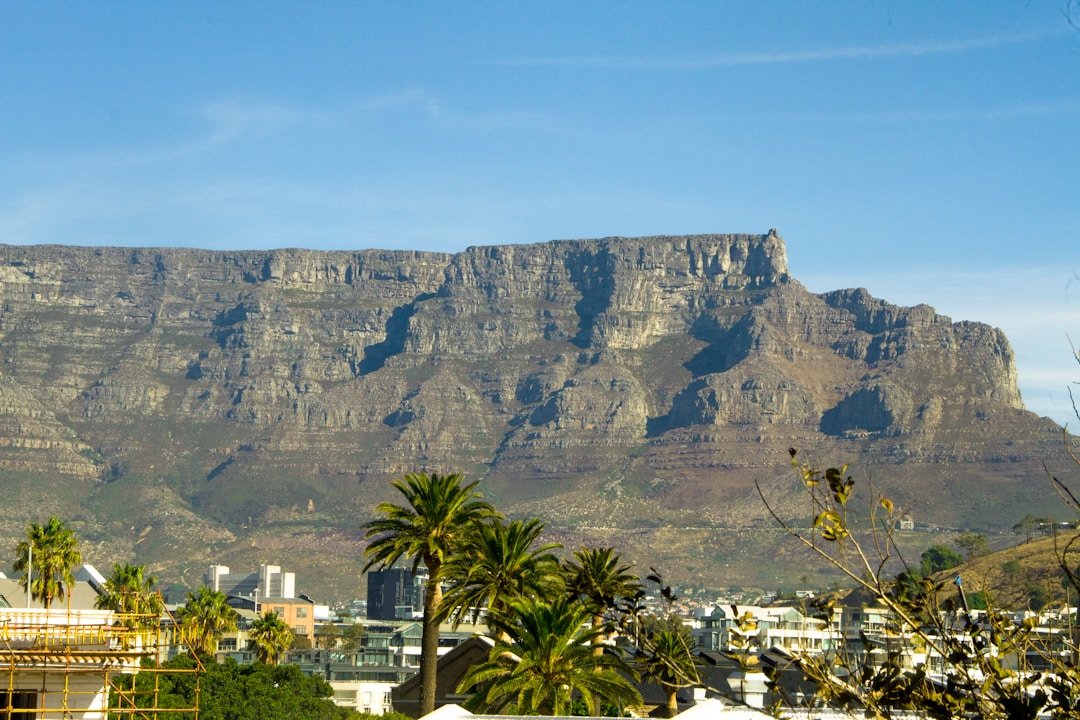
South Africa
Capital: Pretoria
A world in one country, Big Five safari that sets the global benchmark, Cape Town as one of the world's great cities, the Cape Winelands matching the world's best, the Garden Route, the Drakensberg, and the historical depth of the Apartheid Museum and Robben Island. No other African country assembles this range.
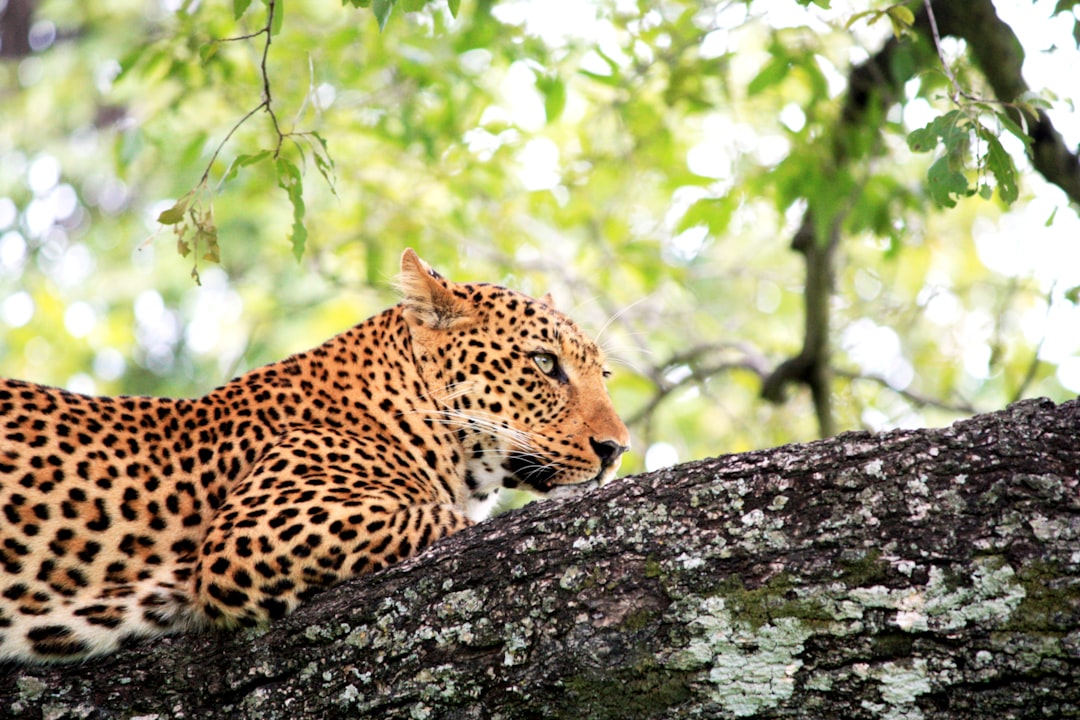
Zambia
Capital: Lusaka
Home to the mighty Victoria Falls and some of Africa's finest walking safaris. Zambia is raw, authentic, and uncrowded, a destination for travellers who want to experience the real Africa.
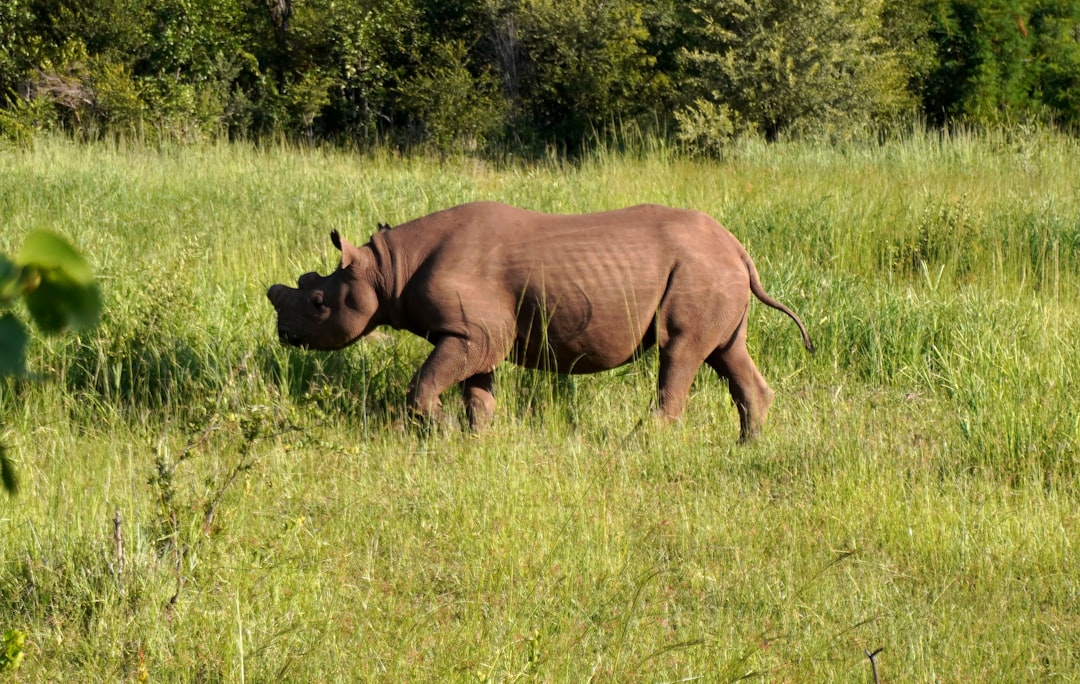
Zimbabwe
Capital: Harare
From the Zimbabwe side of Victoria Falls to the ancient ruins of Great Zimbabwe, this is a country of extraordinary natural beauty and deep cultural heritage. Hwange and Mana Pools deliver world-class safari experiences.
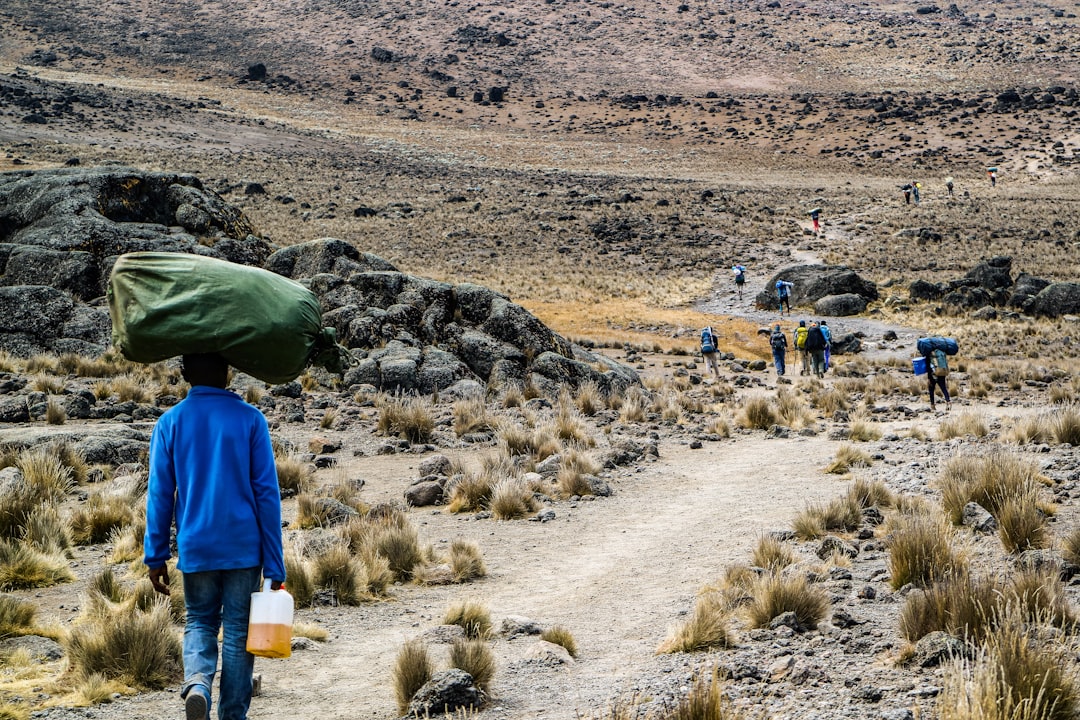
Botswana
Capital: Gaborone
The jewel of Southern African safari. The Okavango Delta, Chobe National Park, and the Makgadikgadi Salt Pans make Botswana one of the most sought-after wildlife destinations on Earth.
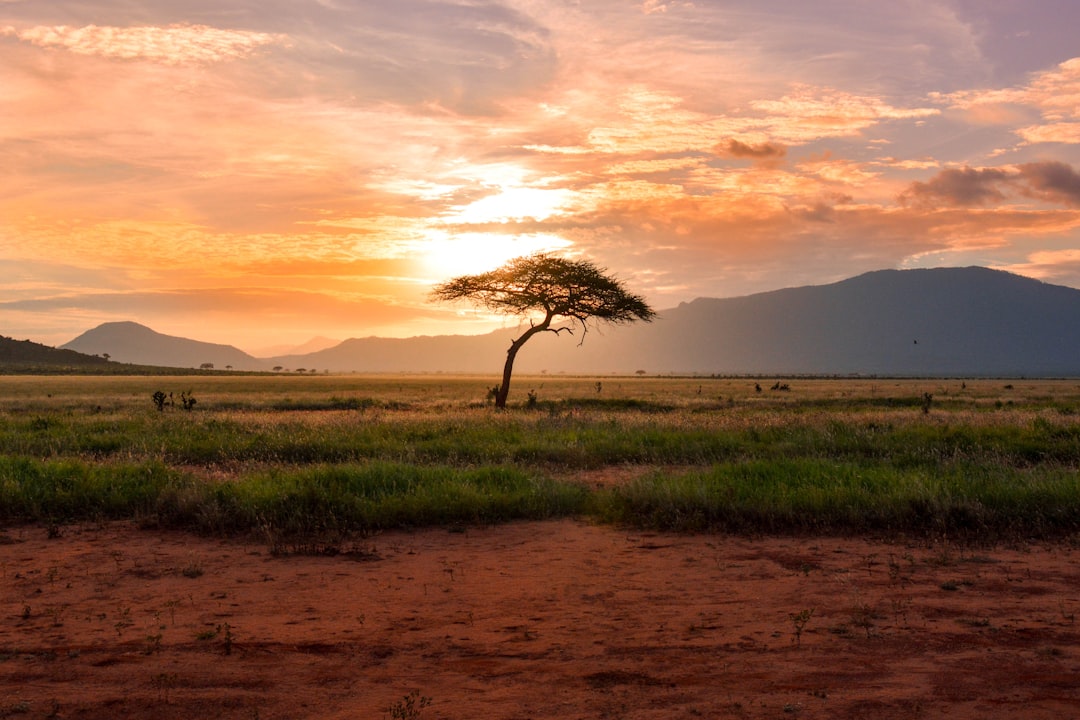
Namibia
Capital: Windhoek
A photographer's paradise of towering red dunes, shipwreck coastlines, and vast desert landscapes. Namibia is one of Africa's most visually striking countries, with excellent self-drive routes and unique desert-adapted wildlife.
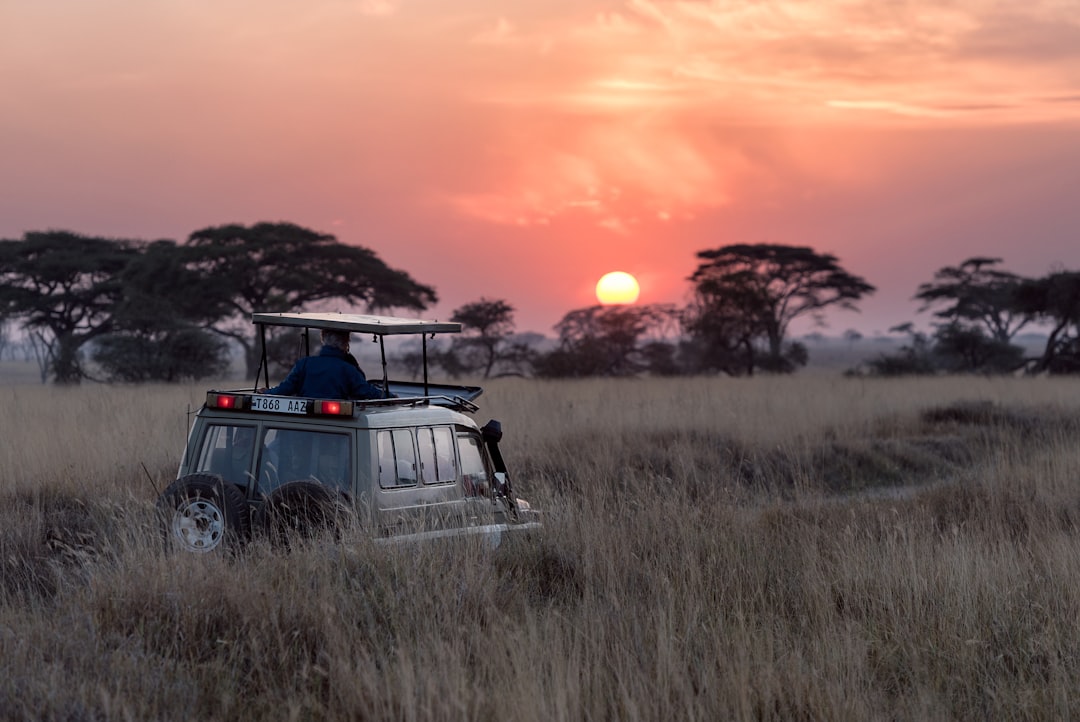
Eswatini
Capital: Mbabane
Africa's last absolute monarchy is a small but culturally rich kingdom nestled between South Africa and Mozambique. Known for its vibrant traditions, nature reserves, and the spectacular Umhlanga Reed Dance.