
Likoma Island
A 17-square-kilometre Malawian sovereign island in the middle of Mozambican lake waters. St Peter's Cathedral, completed 1905, larger in footprint than Winchester, ancient baobabs, the clearest lake water in Malawi, and Kaya Mawa's barefoot luxury.
Malawi's Remote Island Sanctuary
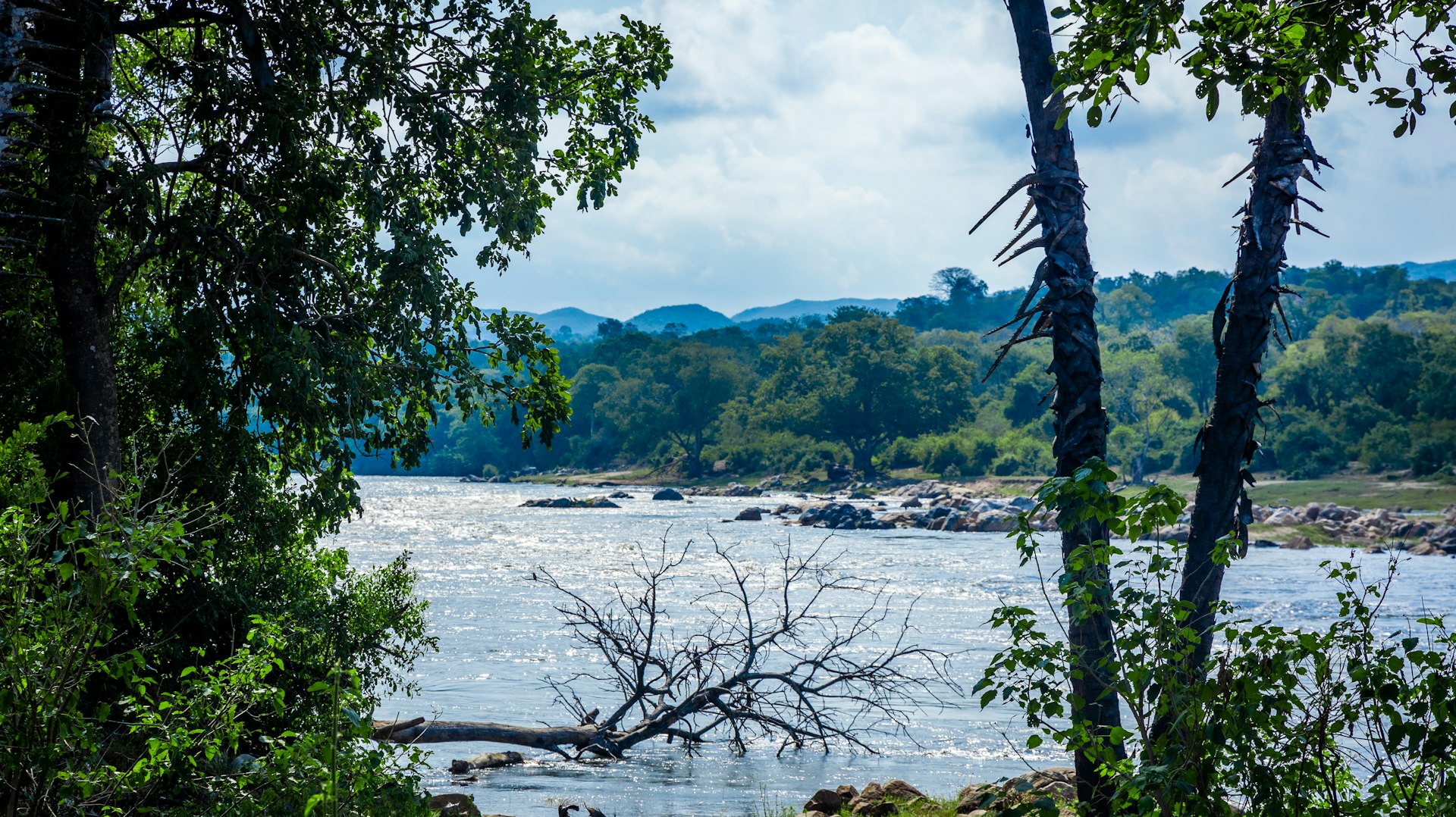
Photo by Omar Hakeem on Unsplash
About Likoma Island
Likoma sits in the middle of Lake Malawi's eastern half, entirely surrounded by Mozambican territorial waters. It is, nevertheless, completely Malawian, a quirk of the colonial boundary negotiations that drew the lake's international border along its eastern shoreline rather than its centre, leaving Likoma and its smaller sister island Chizumulu as Malawian enclaves in Mozambican lake. This geographical improbability has preserved something exceptional. The island's lack of road connections to anywhere, accessible only by light aircraft or the MV Ilala ferry, has kept it free from the development pressures that have transformed more accessible parts of the lake.
The roads on Likoma, where they exist, are unpaved and mostly navigated on foot or bicycle. The dominant sounds are wind, water, and the calls of fish eagles. The dominant visual features are ancient baobab trees of extraordinary girth and, rising improbably from the island's centre, one of the most incongruous architectural monuments in Africa: St Peter's Cathedral, completed in 1905 by the Universities' Mission to Central Africa using stone quarried on the island. It is vast, larger in footprint than Winchester Cathedral in England, with stained-glass windows depicting David Livingstone and scenes from the mission's history, and carved soapstone choir stalls imported from England that produce a quality of disorientation purely African or purely European architecture never achieves. The cathedral is still in active use by the island's Anglican community.
The lake water around Likoma is among the clearest in Lake Malawi, the island's position in the deeper, more open eastern lake means less sedimentation and greater visibility than the southern shore. The rocky shoreline holds dense cichlid populations, and the deeper rocky walls accessible to certified divers reveal species communities not visible in the shallows. Above the water, Kaya Mawa Lodge, built directly into the granite shoreline with rooms incorporating natural rock as walls and floors, is one of the best lodges in Malawi by any measure: 10 rooms, off-grid, ultra-luxury, and exceptionally well-run. Three to five nights at minimum; longer for divers and travellers who want the full barefoot disconnect.
Things to Do in Likoma Island
Visit St Peter's Cathedral
The improbable monument at the heart of the island. Larger in footprint than Winchester Cathedral. Stained-glass windows depicting David Livingstone, carved soapstone choir stalls imported from England, and a stone nave whose acoustic during a Sunday service is extraordinary. Still in active use by the island's Anglican community; visitors are welcome at services and most weekday hours.
Dive the rocky walls
Likoma's waters are among the clearest in Lake Malawi, visibility regularly exceeds 25 metres at the best sites. Kaya Mawa Lodge manages a dive operation for guests with PADI-qualified instruction. The deeper rocky walls accessible to certified divers reveal species communities not visible in the shallows; the cichlid density in the boulder habitats is extraordinary.
Snorkel directly from the lodge
For non-divers, snorkelling directly from Kaya Mawa's rocky shoreline is immediately rewarding. The fish density in the boulder habitats below the lodge is extraordinary, and the clarity makes mask-and-fins exploration as visually rich as ocean reef snorkelling. No boat required.
Walk the island village
Likoma's main settlement is a characterful, unhurried community of approximately 8,000 people, fishing boats on the beach, market stalls, the mission school and hospital still operating from colonial-era buildings. Walking tours visiting the cathedral, the mission grounds, and the baobab grove that dominates the island's interior take 3–4 hours and provide the most complete encounter with the island's dual identity.
Kayak the coastline
The island's lack of motorised boat traffic makes kayaking around its coastline a peaceful and scenic activity. Rocky headlands, sandy coves, and the visual drama of the baobab-dotted interior rising from the shore create excellent paddling terrain. Full-day circumnavigation is possible in calm conditions.
Day-trip to Chizumulu Island
Likoma's smaller sister island, Chizumulu, is a 30-minute boat ride west, even more remote, even fewer visitors, with a similarly clear lake and a small genuinely friendly community. Day trips from Likoma by small boat provide a glimpse of the lake islands' most isolated register.
When to Visit Likoma Island
Peak Diving
June, October
The dry season delivers optimal water clarity, calm surface conditions, and reliable weather. The clearest visibility on the lake, regularly exceeding 25 metres at the best Likoma sites. Water remains warm enough for comfortable diving year-round; this window simply optimises everything.
Shoulder
April, May / November
Reasonable conditions for most activities and quieter than peak. The lake remains warm; diving conditions are good with slightly reduced clarity in the shoulder months. Lower visitor numbers at Kaya Mawa.
Green Season
December, March
The rains can produce occasional rough water and reduced visibility in the shallows. Deep-water diving remains good. Lakeshore birding is exceptional with migratory arrivals. Significantly lower rates and far fewer visitors. The cathedral and village are entirely unaffected.
Getting to Likoma Island
Ulendo Airlink operates scheduled flights from Lilongwe to Likoma airstrip, approximately 1 hour. The most practical option; book through Kaya Mawa Lodge or directly with the airline. Flight availability is limited; book well in advance. Alternatively, the weekly MV Ilala ferry stops at Likoma on its lake circuit. From the southern lake (Monkey Bay) the journey takes 2–3 days with stops at Senga Bay, Nkhotakota, and Nkhata Bay en route. The Ilala is deliberately slow and atmospheric; both the most adventurous and the least predictable way to reach the island.
Where to Stay
Kaya Mawa Lodge is the definitive Likoma experience, an internationally recognised ultra-luxury boutique lodge of 10 rooms and suites built directly into the granite shoreline. Rooms incorporate the natural rock as walls and floors. The snorkelling, the diving, and the barefoot luxury character are exceptional. One of the best lodges in Malawi by any measure. Mango Drift is the more accessible, mid-range lakeshore lodge, a good base for independent travellers on tighter budgets who want the island experience without the Kaya Mawa price point.
Travel Tips for Likoma Island
Frequently Asked Questions
- Why is Likoma worth the access logistics?
- Three reasons stack: the cathedral (genuinely one of the most extraordinary buildings in central Africa), the water (clearest on Lake Malawi), and Kaya Mawa (a world-class lodge whose architecture and service rival any in Africa). Combined, they make the island one of the most distinctive island destinations on the continent, and the access logistics are part of what keeps it that way.
- Cape Maclear or Likoma?
- Cape Maclear is the easier introduction, accessible, more developed, and significantly cheaper. Likoma is the more remote, more exclusive register, anchored on Kaya Mawa and the cathedral. The richest lake itinerary does both: 3 nights at Cape Maclear and 3 nights at Likoma, with Mumbo Island potentially as a third lake stop.
- Is Kaya Mawa really world-class?
- Yes. The lodge is regularly cited in international rankings of African lodges, and it deserves the recognition, the architecture (rooms built into granite), the service, the food, and the off-grid sustainability commitment are all exceptional. It is one of two or three properties in Malawi that compete with the best of Botswana or Kenya at any price point.
- How is the diving compared to the rest of Lake Malawi?
- Among the best in the lake. The eastern lake's depth and openness keep the water clearer than the southern shore, and Likoma's rocky shoreline structures hold dense cichlid populations. For dedicated divers, Likoma is the premier Lake Malawi destination; for general snorkellers, both Cape Maclear and Likoma reward different aspects of the experience.
Explore More, Likoma Island
Plan Your Trip
More in Malawi
Lake Malawi
A 580-kilometre UNESCO-inscribed rift lake holding more fish species than any other lake on earth. Snorkelling and diving on Cape Maclear's …
Liwonde National Park
Malawi's premier Big Five safari, transformed by African Parks from a depleted reserve into a functioning ecosystem with rhino tracking, boa…
Majete Wildlife Reserve
Malawi's first Big Five reserve, rebuilt from complete depletion by African Parks since 2003. Lions, black rhinos, elephants, leopards, buff…
Nyika National Park
Malawi's largest park, 3,134 square kilometres of high-altitude montane grassland averaging 2,000 metres. Roan antelope, leopards, 213 orchi…
Mount Mulanje
A 3,002-metre granite massif rising abruptly from the tea estates of southern Malawi. Twenty distinct peaks, the critically endangered Mulan…
Lilongwe
Malawi's primary international entry point and a sprawling, low-rise capital with a wildlife sanctuary in its centre, an Old Town market tha…
Nkhotakota Wildlife Reserve
Malawi's largest reserve and the recipient of the largest wildlife translocation in African history, 500 elephants and 2,000 other animals m…
Zomba Plateau
An 1,800-metre forested plateau above Malawi's former colonial capital. Hiking and mountain biking on the forestry trail network, escarpment…
Livingstonia & Chongoni
Two cultural anchors at opposite ends of the Malawian timeline. Livingstonia, a 19th-century Scottish missionary town perched 700 metres abo…