
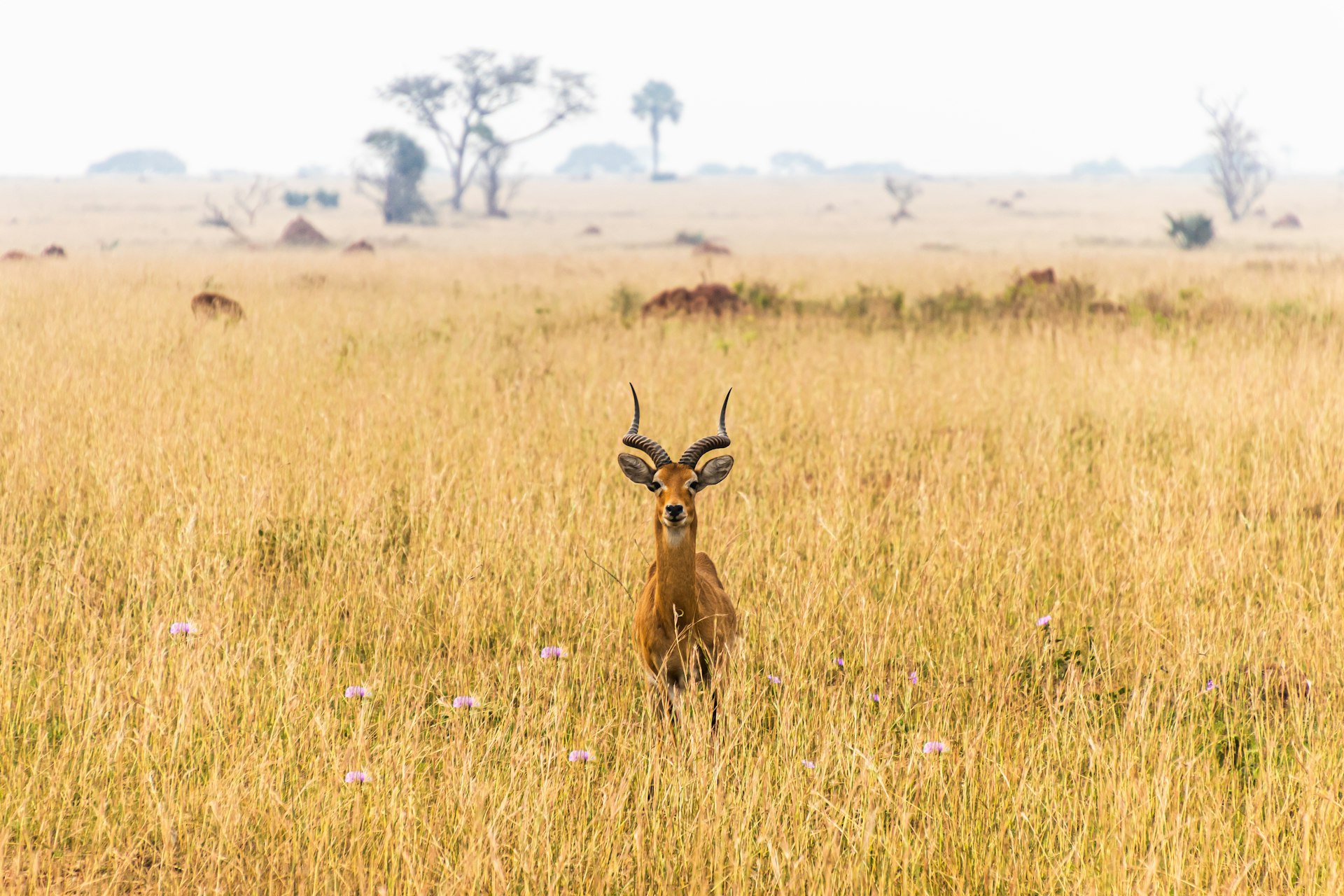
Nyika National Park
Malawi's largest park, 3,134 square kilometres of high-altitude montane grassland averaging 2,000 metres. Roan antelope, leopards, 213 orchid species, horseback safaris, and a landscape that looks more like the Scottish Highlands than the African bush.
Malawi's High Plateau
About Nyika National Park
The standard mental image of an African national park, flat savannah, acacia trees, heat haze, dust, fails completely at Nyika. Malawi's largest protected area sits on a high-altitude plateau averaging 2,000 metres above sea level. The terrain is undulating montane grassland, dotted with isolated patches of evergreen forest, cut by deep valley escarpments, and seasonally carpeted with hundreds of species of wild orchid. The light is different here, cleaner, cooler, without the lowland haze. In the early morning, when the frost is still on the grass and a leopard has been calling since before dawn, Nyika looks so little like Africa that the disorientation itself becomes part of the experience.
Nyika spans the high plateau that straddles the border with Zambia (where it continues into Zambia's own Nyika National Park across the frontier). The 2023 signing of a 20-year co-management agreement by the Peace Parks Foundation, backed by KfW funding for infrastructure renewal, has secured the park's long-term trajectory and begun addressing the access and facilities gaps that had limited its tourism potential. The plateau's vast, open grasslands, rolling in long, soft ridgelines, support an ecosystem of grassland specialists: roan antelope in substantial herds, eland, reedbuck, Crawshay's zebra, and warthog, all moving through terrain that provides long sightlines in every direction. Lions visit occasionally from the escarpment forests; leopards inhabit the forest patches and rocky outcrops with exceptional regularity for African parks.
The park's specialist offerings set it apart from anywhere else in Malawi. Horseback safaris among the antelope herds work because horses are accepted by most wildlife as non-threatening, antelope treat a mounted rider as part of the landscape in a way they would never accept on foot. Mountain biking on the forestry roads is exceptional. And between December and April, the plateau transforms into one of the most significant orchid habitats in Africa: 213 species recorded, 30 endemic, in a botanical display that draws specialist tours from across the world. For visitors who have already done the lowland safari and want something entirely different, Nyika is one of the most distinctive destinations in southern Africa.
Things to Do in Nyika National Park
Horseback safari among the antelope
One of Africa's most unusual safari experiences, riding directly among roan antelope and zebra herds on the open plateau. Horses are accepted by most wildlife as non-threatening, allowing close approaches that no other mode of viewing achieves. Chelinda Lodge manages a string of plateau-acclimatised horses suitable for moderate riders upward. Half-day and full-day rides are available.
Game drive the open grassland
The plateau's long sightlines and open terrain make for distinctive game drives, roan antelope in substantial herds, eland, Crawshay's zebra, reedbuck, and the chance of leopard at the forest patch margins. Lions are occasional visitors from the escarpment. The experience is wildly different from any lowland Malawian park.
Mountain bike the forestry roads
Nyika's network of well-graded gravel roads provides exceptional mountain biking, manageable gradients, traffic-free terrain, dramatic ridge-line views, and wildlife along the road margins. Chelinda Lodge provides bikes and route guidance. The combination of physical engagement and high-altitude landscape is a distinctive Malawian experience.
Time the orchid bloom
Between December and April, the plateau hosts one of the most significant orchid displays in Africa, 213 species, 30 endemic. Specialist botanical tours visit during this window for terrestrial orchids in the grassland and epiphytic species in the forest patches. For botanically interested visitors, Nyika in green season is a destination of world significance.
Bird the high-altitude specialists
Nyika supports a community of high-altitude bird species not found in lowland Malawi. Target species include Denham's (Stanley's) bustard, the globally threatened wattled crane breeding on the plateau's wetland margins, red-winged francolin in abundance, and the endemic Nyika nightjar. Augur buzzard, mountain buzzard, and African hawk-eagle hunt the open terrain.
Walk the forest patches
The isolated patches of evergreen forest within the grassland support a distinct community of birds, butterflies, and shy mammals, and provide dense leopard habitat. Guided forest walks reveal a different ecological register from the open plateau and are particularly rewarding for botanists and birders.
When to Visit Nyika National Park
Cool Dry
June, August
The most comfortable game-viewing window. Sunny days, cool nights (5°C is common at altitude), and excellent visibility across the open plateau. The wildlife is concentrated around the remaining water sources, and the leopard population is at its most accessible. Pack proper warm layers, Nyika nights are genuinely cold year-round.
Late Dry
September, October
Hotter days, particularly at lower elevations along the access road, but the plateau itself remains pleasant during the day. Wildlife concentrations peak as water sources reduce. Good time for active travellers who want long days outdoors.
Orchid Season
December, April
The rains sustain the plateau's moisture and the grassland transforms into an extraordinary botanical display. 213 species of wild orchid; 30 endemic. Specialist botanical tours visit specifically during this window. Game viewing is harder as the bush thickens, but the visual spectacle of the bloom and the migratory bird arrivals more than compensate for botanically interested travellers.
Getting to Nyika National Park
Light aircraft charter is the most practical access, flights from Lilongwe or Mzuzu to Chelinda airstrip put you on the plateau in approximately 1–1.5 hours. Chelinda Lodge organises charter connections. By road, the ascent from the northern lakeshore (Rumphi district) requires a capable 4WD for the steep, rocky climb, manageable in the dry season for experienced off-road drivers, genuinely challenging and potentially impassable after heavy rain. Allow 4–5 hours from Mzuzu.
Where to Stay
Chelinda Lodge is the main accommodation on the plateau, atmospheric pine log cabins with open fireplaces (essential at night, when temperatures regularly drop to 5–8°C even in the dry season). The only luxury property on the plateau and the logistics base for all activities. Chelinda Campsite serves self-sufficient overlanders who have navigated the ascent, with basic but well-positioned facilities.
Travel Tips for Nyika National Park
Frequently Asked Questions
- Is Nyika worth the access logistics?
- For the right traveller, absolutely. Nyika is not a Big Five destination and not a substitute for Liwonde or Majete. It is something genuinely different, a high-altitude landscape unlike anywhere else in Malawi, with horseback safaris, orchids, and a quality of light and air that rewards travellers who already have lowland safari experience.
- Can I see lions or rhinos?
- Lions occasionally; rhinos no. Nyika is a grassland and montane forest ecosystem rather than a Big Five reserve. The leopard population is exceptional, the antelope herds are dense, and the orchid season is world-class, but for the classic lion-and-elephant safari, pair Nyika with Liwonde or Majete on a longer trip.
- How does Nyika compare to other African plateau parks?
- Closest comparisons are Aberdare in Kenya (montane forest, similar altitude) and the Bale Mountains in Ethiopia (high-altitude grassland and Ethiopian wolf). Nyika's combination of horseback safaris and orchid significance makes it more distinctive than either; the visitor density is lower than both. For travellers seeking high-altitude African parks, it is a key destination.
- How many days do I need?
- Three to four nights covers the plateau properly. Less than three feels rushed, the rhythm of the place rewards a slower pace. Five nights lets you do the full activity range (horseback, mountain biking, walking, orchid hunting) without compression. Combining with Vwaza Marsh adds another two nights.
Explore More, Nyika National Park
Plan Your Trip
More in Malawi
Lake Malawi
A 580-kilometre UNESCO-inscribed rift lake holding more fish species than any other lake on earth. Snorkelling and diving on Cape Maclear's …
Liwonde National Park
Malawi's premier Big Five safari, transformed by African Parks from a depleted reserve into a functioning ecosystem with rhino tracking, boa…
Majete Wildlife Reserve
Malawi's first Big Five reserve, rebuilt from complete depletion by African Parks since 2003. Lions, black rhinos, elephants, leopards, buff…
Mount Mulanje
A 3,002-metre granite massif rising abruptly from the tea estates of southern Malawi. Twenty distinct peaks, the critically endangered Mulan…
Lilongwe
Malawi's primary international entry point and a sprawling, low-rise capital with a wildlife sanctuary in its centre, an Old Town market tha…
Nkhotakota Wildlife Reserve
Malawi's largest reserve and the recipient of the largest wildlife translocation in African history, 500 elephants and 2,000 other animals m…
Likoma Island
A 17-square-kilometre Malawian sovereign island in the middle of Mozambican lake waters. St Peter's Cathedral, completed 1905, larger in foo…
Zomba Plateau
An 1,800-metre forested plateau above Malawi's former colonial capital. Hiking and mountain biking on the forestry trail network, escarpment…
Livingstonia & Chongoni
Two cultural anchors at opposite ends of the Malawian timeline. Livingstonia, a 19th-century Scottish missionary town perched 700 metres abo…