A warm, practical guide to Likoma Island, the remote Malawian enclave in Lake Malawi famed for its vast cathedral, clear water, cichlid-rich reefs and the Kaya Mawa lodge.
- Location
- Northern Lake Malawi, a Malawian enclave in Mozambican waters
- Size
- About 17 sq km; sister island Chizumulu lies nearby
- Headline sight
- St Peter's Cathedral, built by Anglican missionaries early 1900s
- Getting there
- Ilala ferry across the lake, or light aircraft from Lilongwe
- Best time
- Dry season; warm September–November for swimming
- Money
- Bring Malawian kwacha cash; ATMs are scarce or unreliable
Likoma Island is a small, sun-warmed speck of Malawi adrift in the northern reaches of Lake Malawi, covering only around 17 square kilometres. Curiously, it sits within Mozambican waters, making it and its smaller sister island Chizumulu a Malawian enclave reached by ferry or light aircraft rather than by road.
What draws travellers is the combination of an outsized history and an unhurried present. The island is crowned by the enormous St Peter's Cathedral, a missionary relic improbably large for its surroundings, while its shoreline offers baobab-dotted coves, fishing villages and some of the clearest water on the lake.
This guide covers how to reach Likoma, what to see and do, where to stay, the best months to visit, and the honest practicalities of bilharzia, cash and remoteness that shape any trip here.
Where is Likoma Island and why is it so unusual?
Likoma lies in the northern part of Lake Malawi, much closer to the Mozambican shore than to mainland Malawi. Despite being surrounded by Mozambican waters, both Likoma and nearby Chizumulu remained Malawian enclaves, a legacy of the Anglican mission that established itself here in the late nineteenth century. This quirk of colonial history is why the island feels distinctly Malawian while sitting a long way from the rest of the country.
The island is compact, roughly 17 square kilometres, and easily explored on foot. Its landscape is a mix of granite outcrops, mango and baobab trees, sandy bays and a scattering of fishing villages where life moves to the rhythm of the lake. There are few vehicles, no traffic to speak of, and the pace is gentle.
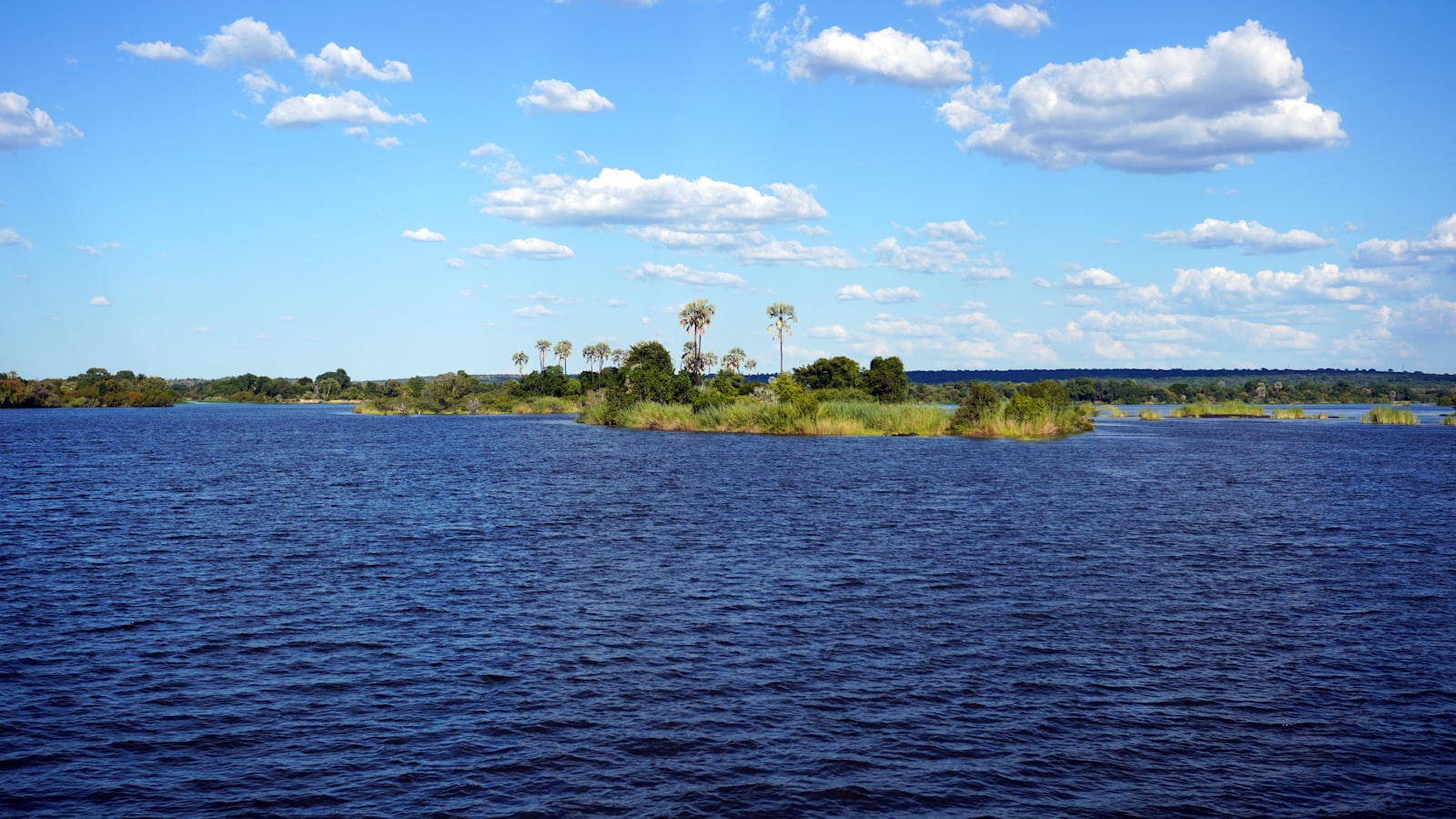
Lake Malawi itself is one of Africa's Great Lakes and a UNESCO World Heritage Site, renowned for its extraordinary diversity of endemic cichlid fish. Likoma's offshore waters are among the clearest in the lake, which is precisely what makes it such a rewarding base for time in and on the water.
St Peter's Cathedral: the island's astonishing centrepiece
The single most arresting sight on Likoma is St Peter's Cathedral, built by missionaries of the Universities' Mission to Central Africa in the early 1900s. It is genuinely vast, said to be comparable in footprint to Winchester Cathedral in England, and its scale against the modest village around it is part of what makes it so memorable.
Inside, look for the stained-glass windows, the carved soapstone choir stalls and the crucifix reputedly fashioned from wood linked to the place where the explorer-missionary David Livingstone died. A caretaker can usually show you around for a small donation, and climbing towards the tower rewards you with views over the rooftops and out across the water.
The cathedral is still an active place of worship, so dress modestly and time any visit around services if you can. It anchors the island's main settlement and is an easy, atmospheric walk from most accommodation.
Things to do: snorkelling, diving, dhows and village walks
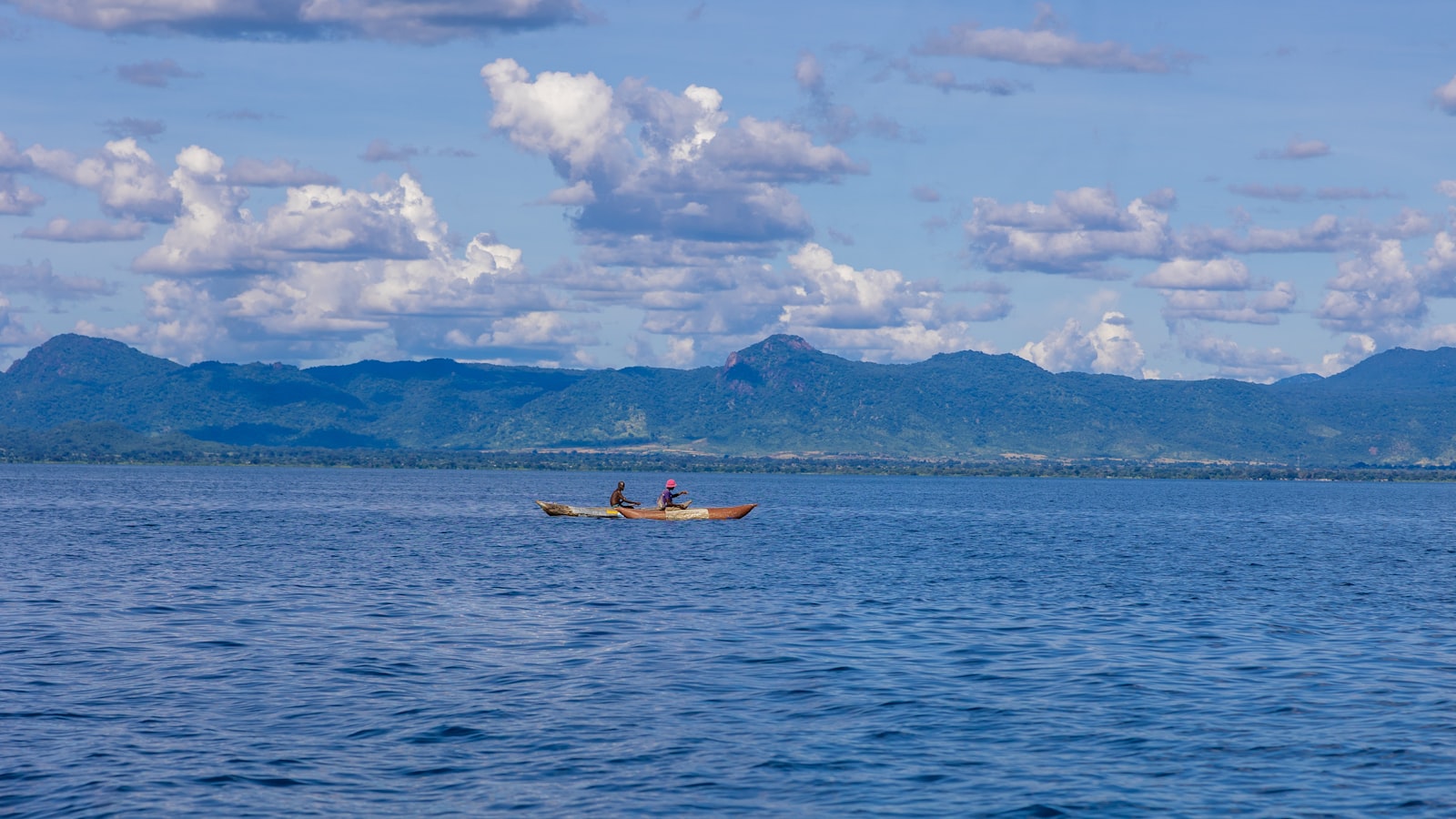
Photo by Omar Hakeem on Unsplash
Likoma's appeal is unashamedly low-key, built around the lake rather than a checklist of attractions. The clear, bilharzia-aware waters are ideal for snorkelling and freshwater scuba diving, where you can drift over rocky reefs teeming with brilliantly coloured cichlids found nowhere else on earth. Kaya Mawa and a couple of operators arrange dives and equipment.
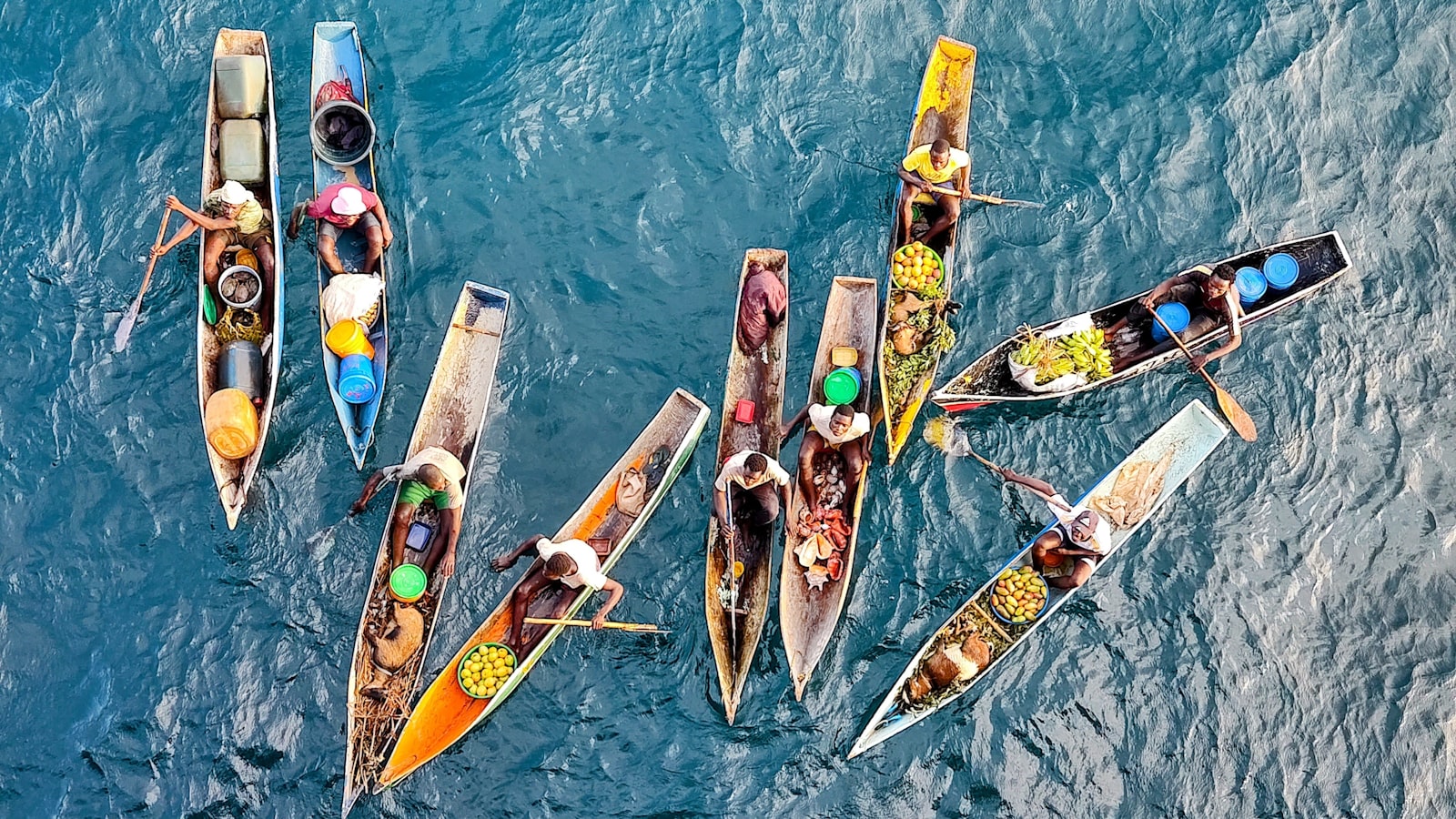
Beyond the water, days unfold slowly. A sunset dhow sail is a classic Likoma experience, as is kayaking between coves, swimming off quiet sandy beaches, and walking through the fishing villages to meet the easy-going locals. A boat trip across to Chizumulu, the smaller and even sleepier sister island, makes a fine day excursion.
- Snorkelling and scuba diving among endemic cichlid fish over clear-water reefs
- Sunset dhow sails and kayaking around the island's coves
- Guided village walks and a visit to St Peter's Cathedral
- A day trip by boat to neighbouring Chizumulu Island
- Simply swimming and relaxing on quiet sandy beaches
Where to stay on Likoma Island
Accommodation on Likoma spans a wide range, anchored by Kaya Mawa, a well-known lodge built into the rocks on the island's south-western shore. With individually designed stone-and-thatch rooms, a private island honeymoon retreat and a strong community ethos, it consistently appears on lists of Africa's most romantic places to stay; rates are at the luxury, all-inclusive end and should be confirmed directly.
For travellers on tighter budgets, there are simpler guesthouses and lodges around the island, along with a community-run rest house that channels income back into local projects. These offer basic, friendly lodging at a fraction of the cost and are a good way to support the island directly.
Because options are limited and Likoma is genuinely remote, book ahead, especially in peak dry-season months. Confirm exactly what is included, whether transfers are arranged, and how you will pay before you arrive.
Getting to Likoma: the Ilala ferry and light aircraft
There are two main ways to reach Likoma, and they sit at opposite ends of the comfort spectrum. The romantic, characterful option is the MV Ilala, the venerable passenger ferry that has plied Lake Malawi for decades, calling at Likoma on its long looping route. Sailings are slow and timetables are notoriously fluid, so build in flexibility, but the journey is an experience in itself.
The quick option is a light-aircraft flight from Lilongwe to Likoma's small airstrip, which compresses a journey of many hours into a scenic hop over the lake. Charter and scheduled-charter flights are usually arranged through your lodge; Kaya Mawa in particular coordinates air access for its guests.
Boat transfers are also possible from Nkhata Bay on the Malawian mainland and from the Mozambican shore near Cobue, the latter useful for travellers combining Likoma with Mozambique. Whichever route you choose, expect remoteness to dictate the pace and plan connections with generous margins.
- MV Ilala ferry: slow, atmospheric, flexible timetable across the lake
- Light aircraft from Lilongwe to the island airstrip (often via your lodge)
- Boat transfer from Nkhata Bay on the Malawian mainland
- Boat from the Mozambican shore near Cobue, handy for cross-border trips
Best time to visit and the lake's clear water
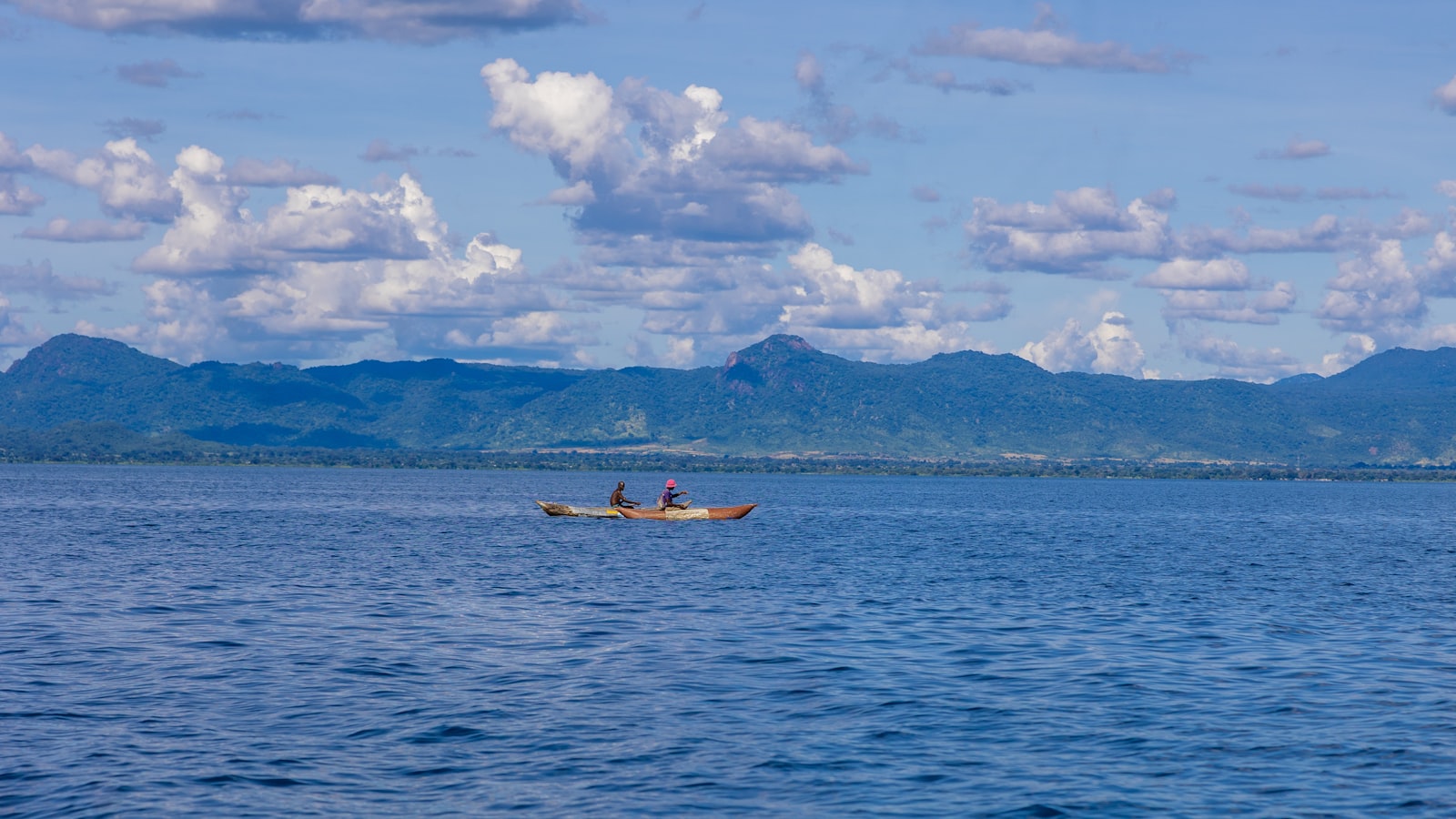
Photo by Omar Hakeem on Unsplash
Malawi has a single rainy season running roughly from November or December to March or April, so the dry season from May to October offers the most reliable conditions for travel and water visibility. Cooler months around June and July are pleasant but the lake can feel brisk for swimming.
For warm water and the best swimming and snorkelling, the months of September to November are the sweet spot, when temperatures climb and the lake is at its most inviting before the rains arrive. This period coincides with the clearest underwater visibility, ideal for spotting cichlids.
Likoma is a year-round destination in principle, but heavy rains can disrupt the already-relaxed ferry schedule, so factor weather into your travel margins if visiting around the wet season.
Practicalities: bilharzia, money and remoteness
Like all of Lake Malawi, the water around Likoma carries a risk of bilharzia (schistosomiasis), a parasitic infection. Many travellers still swim and snorkel here, and clearer, deeper, open water away from reedy shallows is generally considered lower risk. A sensible approach is to take a single dose of praziquantel some weeks after returning home; discuss this with a travel clinic before you go.
Money requires planning. ATMs on the island are scarce and frequently unreliable, and card payment is far from universal, so bring enough Malawian kwacha cash to cover your stay, transfers, tips and incidentals. Higher-end lodges may settle bills in foreign currency or in advance, but never assume.
Finally, embrace the remoteness. Mobile signal and internet can be patchy, supplies are limited, and schedules bend to the lake. Pack any medication, sun protection and essentials you cannot do without, and let the island's slow rhythm become part of the appeal rather than a frustration.
Frequently Asked Questions
- Where exactly is Likoma Island?
- Likoma sits in the northern part of Lake Malawi, much closer to the Mozambican shore than to mainland Malawi. Although it lies within Mozambican waters, it is a Malawian enclave, together with its smaller neighbour Chizumulu, a legacy of the nineteenth-century Anglican mission that settled there.
- How do you get to Likoma Island?
- Two main routes serve the island. The MV Ilala ferry crosses Lake Malawi on a slow, flexible schedule and is an experience in itself, while light aircraft fly from Lilongwe to Likoma's airstrip in a fraction of the time. Boat transfers also run from Nkhata Bay and the Mozambican shore near Cobue.
- Is it safe to swim in Lake Malawi at Likoma?
- Many travellers swim and snorkel at Likoma, enjoying some of the lake's clearest water. There is a bilharzia (schistosomiasis) risk throughout Lake Malawi, however. Clearer open water is generally considered lower risk, and a common precaution is a dose of praziquantel after travel; consult a travel clinic for advice.
- When is the best time to visit Likoma Island?
- The dry season from May to October offers the most reliable conditions. For warm water and the best swimming and snorkelling, September to November is the sweet spot, when temperatures rise and underwater visibility peaks before the rains arrive around November or December.
- Where can you stay on Likoma Island?
- Accommodation ranges from the well-known luxury lodge Kaya Mawa, built into the rocks on the south-western shore, to simpler guesthouses and a community-run rest house that supports local projects. Options are limited, so book ahead and confirm transfers, inclusions and payment methods before arriving.
- Do I need to bring cash to Likoma?
- Yes. ATMs on the island are scarce and often unreliable, and card payment is not widespread, so bring enough Malawian kwacha to cover your stay, transfers, tips and extras. Some higher-end lodges arrange payment in advance or in foreign currency, but you should never rely on this.
- What is there to do on Likoma besides relaxing?
- Highlights include snorkelling and diving among endemic cichlid fish, sunset dhow sails, kayaking, swimming off sandy coves, and walking through fishing villages. The vast St Peter's Cathedral is the island's standout sight, and a boat trip to neighbouring Chizumulu Island makes an enjoyable day excursion.