
Nkhotakota Wildlife Reserve
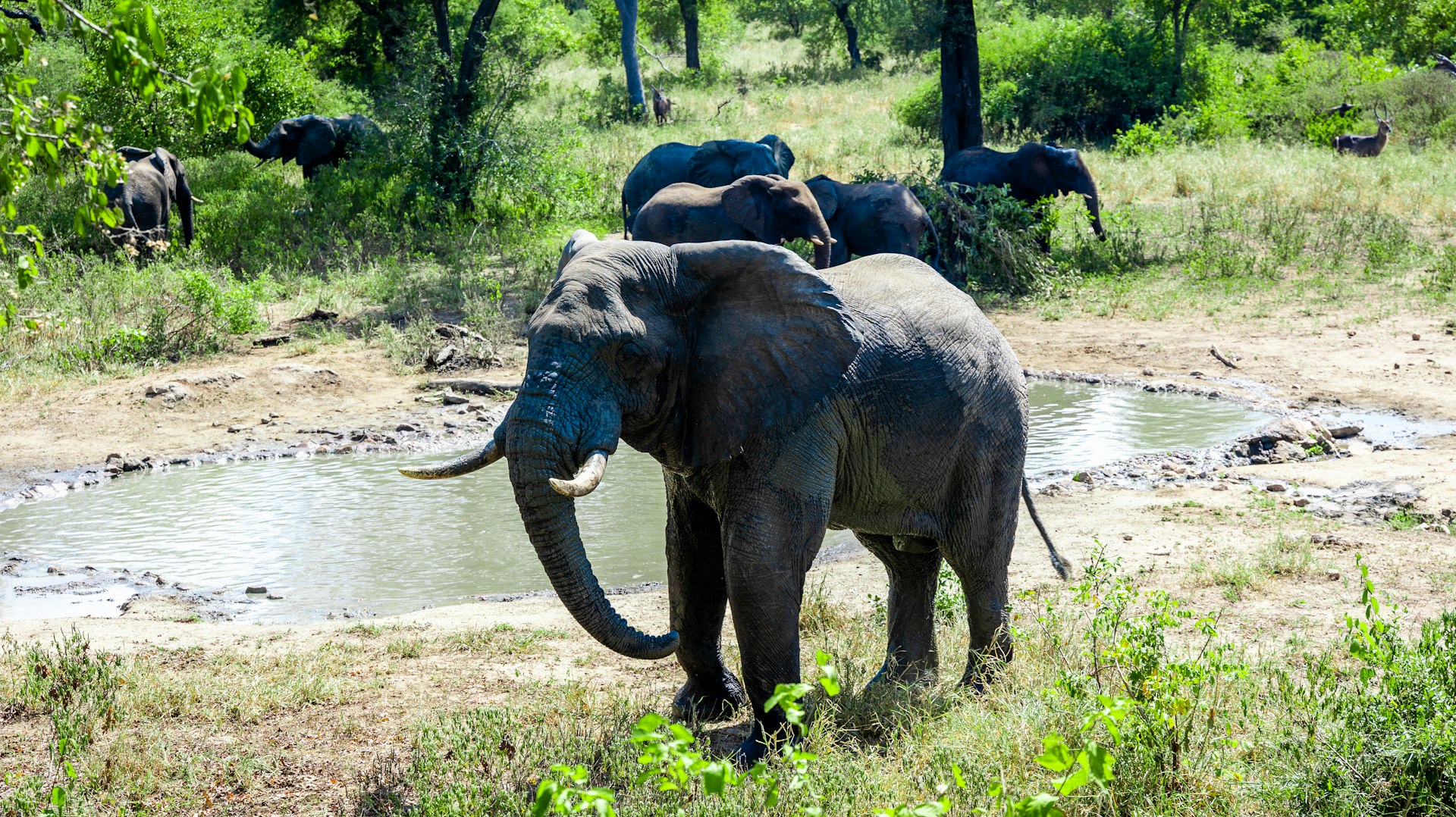
Malawi's largest reserve and the recipient of the largest wildlife translocation in African history, 500 elephants and 2,000 other animals moved here in 2016–17. Walking safaris, canoeing the Bua River, and a wilderness still in the process of becoming what it will be.
Malawi's Wild Forest
Photo by Omar Hakeem on Unsplash
About Nkhotakota Wildlife Reserve
In 2016 and 2017, something extraordinary happened in the forests of central Malawi. Working under African Parks management with logistical support from conservation organisations across the region, teams moved 500 elephants and nearly 2,000 other animals into Nkhotakota Wildlife Reserve, the largest single wildlife translocation in African history. A further 800 animals followed in 2022. The animals came from Liwonde and Majete, parks that had recovered so successfully they could afford to share their surplus populations, and they arrived in a forest that had been comprehensively depleted by poaching over decades.
Nkhotakota is Malawi's oldest and largest reserve at 1,800 square kilometres, but by 2015, when African Parks assumed management, its wildlife populations were a fraction of what the ecosystem could support. Today, Nkhotakota is still in the process of becoming what it will eventually be. The elephants are establishing territories in the Bua River corridors. The forest is recovering as human pressure on its boundaries is reduced by community development programmes. The roads, substantially rehabilitated by 2025, are making more of the reserve accessible. The transformation is not yet complete. That incompleteness is, for a specific type of traveller, precisely the attraction.
Nkhotakota's dense miombo woodland and challenging terrain make traditional passive vehicle safaris difficult. Instead, the reserve excels at active, immersive experiences, walking safaris through the Bua River corridor (where elephant movement is most reliable and the spoor is freshest), canoe sections through riverine forest with elephant, hippo, and crocodile along the banks, and fly-fishing for the Bua's lake salmon (Opsaridium microlepis), a specialist activity unavailable in Malawi's other parks. The walking experience here is different from the polished circuits of South Luangwa or Mana Pools, wilder, less habituated, with elephant encounters that carry a genuine rawness because the animals are still establishing territory. This is active, attentive, frontier-grade walking, and it suits the reserve's character precisely.
Things to Do in Nkhotakota Wildlife Reserve
Walking safari in the Bua corridor
The defining Nkhotakota experience. Walking through the dense miombo woodland of the Bua River corridor, where elephant movement is most reliable and the tracks and spoor are freshest, under experienced guide and ranger escort. The walking is wilder than at South Luangwa or Mana Pools; the elephants are less habituated and the encounters carry a genuine rawness. Active, attentive, frontier-grade.
Canoe the Bua River
Guided canoe sections operate in the reserve's core area during the dry season when water levels are manageable. The Bua flows through riverine forest with elephant, hippo, crocodile, and exceptional birdlife along the banks. Less developed than the Zambezi canoe safaris but more accessible than most river canoeing in Malawi, suited to non-specialist visitors willing to engage with slightly rougher infrastructure.
Fly-fish for lake salmon
The Bua River holds populations of Opsaridium microlepis, the lake salmon, a large, powerful freshwater fish highly regarded by sport anglers. Fly-fishing in the Bua's clear, rocky stretches is one of Nkhotakota's most distinctive offerings, a specialist activity unavailable in Malawi's other parks.
Hike Chipata Mountain
Chipata Mountain rises within the reserve's southern sector, providing a strenuous half-day hike to a summit with panoramic views across the escarpment toward Lake Malawi and the Rift Valley. The ascent passes through multiple vegetation zones, escarpment bush, miombo woodland, upper grassland, with good birdwatching throughout. A new campsite at the base supports multi-day hiking expeditions for independent overlanders.
Track elephant on foot
Nkhotakota's translocated elephants are still establishing territory and are not yet habituated to human presence in the way Liwonde or Hwange's are. Tracking them on foot, under expert guide and ranger escort, is a genuinely intense experience that requires alert engagement and complete trust in the team. The encounters are intimate when they happen, and the context (these animals were moved here within a decade) gives them additional weight.
Combine with Lake of Stars Festival
Nkhotakota's lakeshore area is the venue for the Lake of Stars Festival, one of Africa's most celebrated music and arts events, returning to Fish Eagle Bay Lodge for its 2026 edition (October 2–4). The festival combines international headliners with African artists across multiple stages on the lake beach. For music-focused travellers, it creates a natural framework for combining a Nkhotakota wildlife experience with a world-class music event.
When to Visit Nkhotakota Wildlife Reserve
Peak Season
July, October
The dry season delivers optimal walking and canoeing conditions. The forest is more open, the Bua River is at its most navigable for canoe sections, and elephant movement to the river is most reliable. September and October are the hottest months, early-morning and late-afternoon activities are essential.
Cool Dry
May, June
Cooler and quieter than peak season. The forest still holds moisture from the rains, the elephants are beginning to concentrate near the river, and walking conditions are excellent. An underrated shoulder window for active travellers.
Green Season
November, April
The rains transform the forest dramatically. Some internal tracks become difficult; the canoe sections may be unsafe in high water. Birding is exceptional. Bua River Lodge typically modifies programming rather than closing entirely. The reserve at its most lush, but also at its most logistically challenging.
Getting to Nkhotakota Wildlife Reserve
From Lilongwe is approximately 3.5–4 hours via the Lakeshore Road (M5). The road passes along the escarpment above Lake Malawi with spectacular views. A standard vehicle handles the main lakeshore road; 4WD is required for internal reserve tracks. The MV Ilala stops at Nkhotakota town on its weekly lake circuit, providing a slow but atmospheric alternative access route for travellers with time.
Where to Stay
Bua River Lodge is the eco-luxury anchor of the reserve, elevated chalets above the Bua River with good access to all reserve activities and an experienced guiding team. The primary base for the walking safari programme. Chipata Mountain Campsite, newly developed, supports multi-day hiking expeditions; basic facilities; exceptional for independent overlanders willing to carry their own gear.
Travel Tips for Nkhotakota Wildlife Reserve
Frequently Asked Questions
- Should I visit Nkhotakota or Liwonde?
- Different stages of conservation recovery, different experiences. Liwonde is further along, the wildlife is more habituated, the boat safari is iconic, the rhino tracking is the headline. Nkhotakota is earlier in its recovery, wilder, rougher, and weighted toward walking and canoeing in country that is still becoming itself. Nkhotakota suits travellers who already have some safari experience and want a less polished register.
- Is the wildlife recovery actually visible?
- Yes. The 500 elephants moved here in 2016–17 are now established and reproducing. Lions and leopards are present in growing numbers. The forest itself is recovering as community pressure on its boundaries is reduced through African Parks' programmes. The reserve is genuinely a different place now from what it was a decade ago, and the trajectory is clearly upward.
- Can I self-drive Nkhotakota?
- Possible with a capable 4WD and bush experience, particularly given the post-2025 road improvements. Bua River Lodge is the most practical base for self-drivers; Chipata Mountain Campsite suits experienced overlanders. Most international visitors use the lodge's organised activities rather than driving the reserve themselves.
- How many days do I need?
- Three to four nights minimum to do justice to the activity range, walking, canoeing (if water levels permit), and ideally a Chipata hike. Less than three feels rushed; the rougher terrain means activities take longer than at the more polished parks. Combining with Lake Malawi adds a coherent extension.
Explore More, Nkhotakota Wildlife Reserve
More in Malawi
Lake Malawi
A 580-kilometre UNESCO-inscribed rift lake holding more fish species than any other lake on earth. Snorkelling and diving on Cape Maclear's …
Liwonde National Park
Malawi's premier Big Five safari, transformed by African Parks from a depleted reserve into a functioning ecosystem with rhino tracking, boa…
Majete Wildlife Reserve
Malawi's first Big Five reserve, rebuilt from complete depletion by African Parks since 2003. Lions, black rhinos, elephants, leopards, buff…
Nyika National Park
Malawi's largest park, 3,134 square kilometres of high-altitude montane grassland averaging 2,000 metres. Roan antelope, leopards, 213 orchi…
Mount Mulanje
A 3,002-metre granite massif rising abruptly from the tea estates of southern Malawi. Twenty distinct peaks, the critically endangered Mulan…
Lilongwe
Malawi's primary international entry point and a sprawling, low-rise capital with a wildlife sanctuary in its centre, an Old Town market tha…
Likoma Island
A 17-square-kilometre Malawian sovereign island in the middle of Mozambican lake waters. St Peter's Cathedral, completed 1905, larger in foo…
Zomba Plateau
An 1,800-metre forested plateau above Malawi's former colonial capital. Hiking and mountain biking on the forestry trail network, escarpment…
Livingstonia & Chongoni
Two cultural anchors at opposite ends of the Malawian timeline. Livingstonia, a 19th-century Scottish missionary town perched 700 metres abo…