
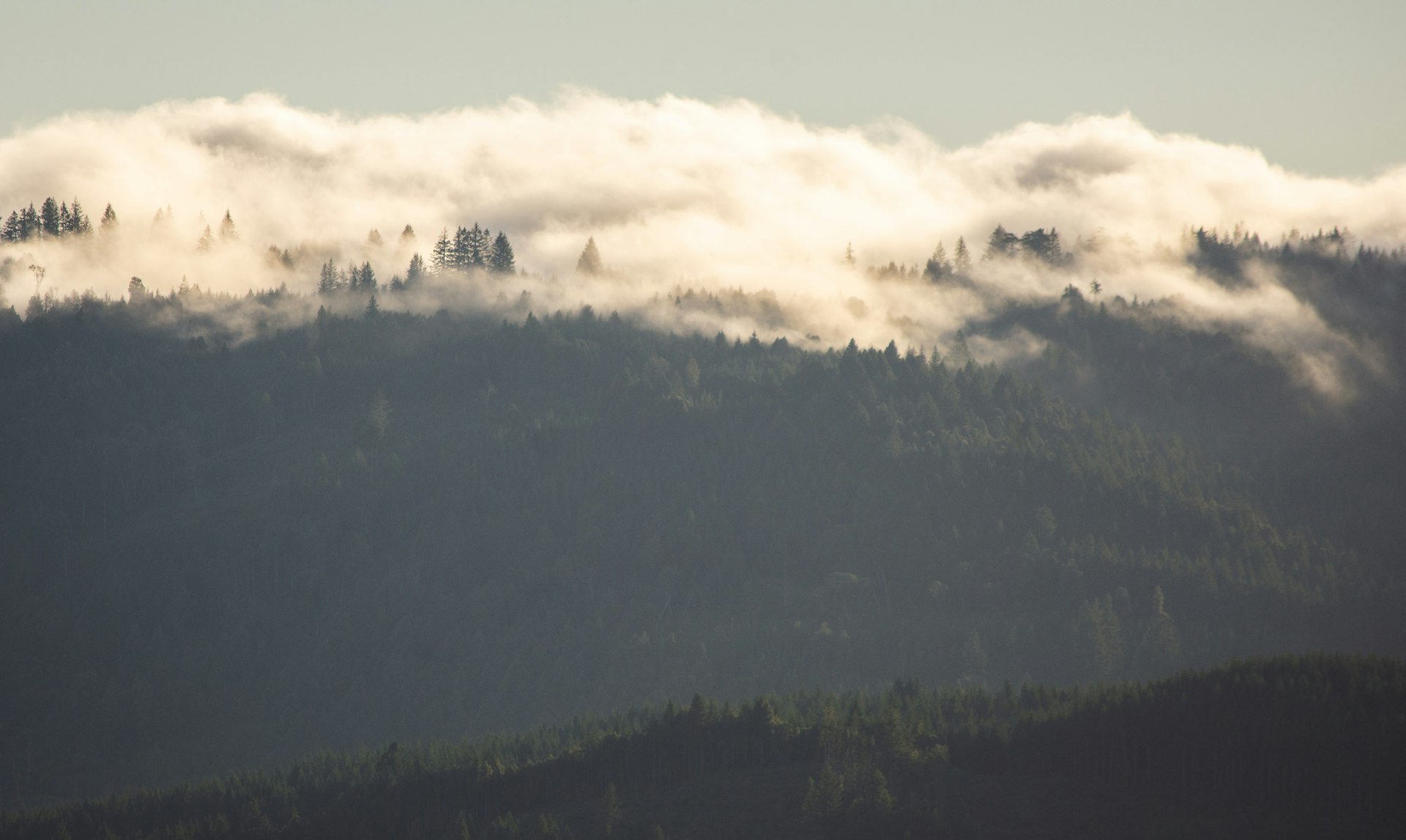
Zomba Plateau
An 1,800-metre forested plateau above Malawi's former colonial capital. Hiking and mountain biking on the forestry trail network, escarpment views to Mount Mulanje, trout fishing in cold streams, and a climate fifteen degrees cooler than the lowland heat.
Malawi's Colonial Highland Retreat
Photo by Alex Moliski on Unsplash
About Zomba Plateau
Southern Malawi is hot. The Shire Valley bakes. The lakeshore shimmers. And then you ascend the escarpment to the Zomba Plateau, 1,800 metres above the plains, and the temperature drops fifteen degrees, the air smells of pine and indigenous forest, and the noise of the lowlands disappears completely. The plateau served as Malawi's colonial-era capital, and the evidence of that history is everywhere in the landscape: forestry trails cut through plantations of Mexican pine in the 19th century, viewpoints named for colonial royalty, the Forestry Department infrastructure that criss-crosses the plateau's flat top.
None of it feels heavy or oppressive. The forest has absorbed it, and what remains is a network of excellent trails through varied vegetation, a series of viewpoints that look across an extraordinary panorama, and a climate that functions as the most effective recovery from the lowland heat that Malawi offers. Emperor's View and Queen's View, the two primary escarpment viewpoints, offer sweeping panoramas across the Phalombe plains to the massive silhouette of the Mulanje Massif to the south, and across the Shire River valley to the west. On clear dry-season mornings (before the midday haze builds), the views extend further than any single landscape in southern Malawi allows elsewhere. Sit at Queen's View with coffee from a flask in the early morning and watch Mulanje's rock faces catch the rising light, this is one of the simpler pleasures of Malawi travel.
The plateau supports more than just hiking. Mountain biking on the network of forestry roads is exceptional, well-graded gravel, gently rolling to occasionally steep, traffic-free, and visually rewarding. The cold, clear streams and small dams support a managed trout fishery. Guided horseback riding moves through the pine forest and along the escarpment margins. And the Zomba Forest Lodge, an off-grid property within a pocket of indigenous forest, operating entirely on solar power, with a reputation for exceptional gastronomy, is one of Malawi's most talked-about highland accommodations. Two to three nights covers the plateau properly; many visitors find themselves extending to four.
Things to Do in Zomba Plateau
Hike to Queen's View and Emperor's View
The two primary escarpment viewpoints, sweeping panoramas across the Phalombe plains to Mulanje and across the Shire valley to the west. On clear dry-season mornings, the view to Mulanje's rock faces catching the rising light is one of the simpler pleasures of Malawi travel. Plan viewpoint visits for the first two hours after dawn before haze builds.
Mountain bike the forestry roads
The plateau's network of well-graded gravel roads provides excellent mountain biking, manageable gradients, traffic-free terrain, mature pine forest, and dramatic open escarpment viewpoints. Bikes are available for hire at the Sunbird Ku Chawe Hotel; serious cyclists can arrange to bring personal bikes for more flexible exploration of the longer circuits.
Walk the forestry trail network
Routes range from short, flat walks through the pine plantation interior to longer circuits reaching the escarpment edge and its viewpoints. Trails are generally well maintained and adequately marked. A basic trail map is available from the Sunbird Ku Chawe Hotel and from the Forestry Department office at the plateau's base.
Fly-fish the trout streams
The cold, clear streams and small dams on the plateau support a managed trout fishery, rainbow and brown trout stocked in reservoirs that drain through the escarpment forest. Fly-fishing and spinner fishing are both productive from April through October. Permits and basic equipment are available through the Forestry Department.
Ride a horse through the pine forest
Guided horseback rides through the plateau's pine forest and along the escarpment margins are available through local operators. The plateau's flat-to-rolling terrain is well-suited to riders of moderate experience, and the forest atmosphere on horseback, quiet, pine-scented, with occasional clearings revealing the valley below, is a distinctive pleasure.
Dine at Zomba Forest Lodge
The lodge's food is one of its primary draws, exceptional gastronomy using local produce, set in an off-grid solar-powered property within a pocket of indigenous forest. Even non-guests may be able to arrange dinner by prior booking. Worth enquiring if you are staying at Ku Chawe.
When to Visit Zomba Plateau
Cool Dry
May, August
The most pleasant window. Cool to mild days, cold nights at altitude (10–15°C is typical), and the clearest dry-season views from the escarpment edge. Pack a fleece, the altitude makes evenings genuinely cold even when the lowlands are still warm.
Warm Dry
September, October
Warmer days, particularly at lower elevations on the access road, but the plateau itself remains pleasant. Late-season clarity for views; the afternoon haze builds earlier than in the cooler months. Quieter than peak.
Lush Season
December, April
The rains transform the plateau into deep green and the indigenous forest patches at their richest. Trail conditions become muddier; mountain biking on the steeper sections is harder. The forest atmosphere is at its most beautiful, with mist regularly rolling through the canopy. An underrated window for travellers who don't mind variable weather.
Getting to Zomba Plateau
From Blantyre to Zomba is approximately 140km, 2.5 hours via the M3 to Zomba town. The escarpment road ascends dramatically from the town to the plateau in a steep, winding route that provides the visual drama of the arrival. Standard vehicles handle the ascent in the dry season; 4WD is advisable in wet conditions. From Lilongwe expect 4 hours via the M1 and M3. From Liwonde, only 60km, about 1 hour, making Zomba a natural extension of a Liwonde safari for travellers wanting cooler highland air after the lowland heat.
Where to Stay
Zomba Forest Lodge is the most characterful and philosophically committed property on the plateau, an off-grid lodge operating entirely on solar power, positioned within a pocket of indigenous forest. Exceptional gastronomy using local produce, six rooms maximum, and an active community reforestation project ('Zomba Treez'). Books well in advance. Sunbird Ku Chawe Hotel is a larger, full-service hotel positioned dramatically on the plateau's escarpment edge, the best view in Zomba from the terrace at breakfast, with reliable facilities throughout.
Travel Tips for Zomba Plateau
Frequently Asked Questions
- How does Zomba compare to Nyika?
- Smaller, more accessible, and more developed than Nyika. Zomba is a forested plateau with established trails and infrastructure; Nyika is a high-altitude grassland with horseback safaris and orchids. For travellers in southern Malawi, Zomba is the more practical highland stop. For travellers willing to fly to the far north, Nyika is the more distinctive experience.
- Is Zomba worth a dedicated stop or just a day trip?
- Worth a dedicated stop. The plateau rewards a slower pace, early morning at Queen's View with coffee, a walk through the indigenous forest patches, dinner at Zomba Forest Lodge, and a cold night under blankets. Day trips from Blantyre cover the headline sites but miss the rhythm of the place.
- Can I do Zomba and Mulanje in the same trip?
- Yes, they are the natural southern Malawi highlands pairing. Two nights at Zomba (typically Zomba Forest Lodge or Ku Chawe), then drive 2 hours to Mulanje for either a day-walk based at Huntingdon House or a multi-night Chambe Plateau trek. Combine with Liwonde or Majete safari for a complete southern trip.
- How long do I need at Zomba?
- Two to three nights. One night is enough for a quick view-and-dine experience but misses the slower rewards. Three nights covers the trail network, a mountain bike day, and morning viewpoints without rushing. Four nights is for travellers who want the highland decompression after a full safari programme.
Explore More, Zomba Plateau
Plan Your Trip
More in Malawi
Lake Malawi
A 580-kilometre UNESCO-inscribed rift lake holding more fish species than any other lake on earth. Snorkelling and diving on Cape Maclear's …
Liwonde National Park
Malawi's premier Big Five safari, transformed by African Parks from a depleted reserve into a functioning ecosystem with rhino tracking, boa…
Majete Wildlife Reserve
Malawi's first Big Five reserve, rebuilt from complete depletion by African Parks since 2003. Lions, black rhinos, elephants, leopards, buff…
Nyika National Park
Malawi's largest park, 3,134 square kilometres of high-altitude montane grassland averaging 2,000 metres. Roan antelope, leopards, 213 orchi…
Mount Mulanje
A 3,002-metre granite massif rising abruptly from the tea estates of southern Malawi. Twenty distinct peaks, the critically endangered Mulan…
Lilongwe
Malawi's primary international entry point and a sprawling, low-rise capital with a wildlife sanctuary in its centre, an Old Town market tha…
Nkhotakota Wildlife Reserve
Malawi's largest reserve and the recipient of the largest wildlife translocation in African history, 500 elephants and 2,000 other animals m…
Likoma Island
A 17-square-kilometre Malawian sovereign island in the middle of Mozambican lake waters. St Peter's Cathedral, completed 1905, larger in foo…
Livingstonia & Chongoni
Two cultural anchors at opposite ends of the Malawian timeline. Livingstonia, a 19th-century Scottish missionary town perched 700 metres abo…