
Ts'ehlanyane National Park
A rare patch of indigenous Afromontane forest preserved in a sheltered valley of the front-range Maluti Mountains. Multi-day treks to Afriski, exceptional birdlife, and Lesotho's only certified five-star property, Maliba Mountain Lodge.
Lesotho's Indigenous Forest
Photo by INFRAME Studio's on Unsplash
About Ts'ehlanyane National Park
By any ecological reckoning, there should be no significant forest in the Lesotho highlands. The altitude, the cold, and the combination of grazing pressure and historical agricultural expansion have stripped most of southern Africa's high-altitude mountain terrain of its original indigenous tree cover. What remains is predominantly grassland. Ts'ehlanyane National Park protects one of the significant exceptions.
Hidden in a deep, sheltered valley in the front range of the Maluti Mountains, the park preserves ancient stands of indigenous Afromontane forest, dense groves of Leucosidea (Ouhout) trees, high-altitude poplars, and willows that have survived here because the valley's particular topography sheltered them from the fires and grazing that cleared everything around them. Walking through this forest, with its closed canopy and mountain stream running through the valley floor, feels anomalous in the best possible way, a green, cool, sheltered world in a landscape dominated by open, wind-exposed highland.
The park's primary activity is walking through the indigenous forest, guided trails covering the valley floor, the forest margins, and the upper slopes where the tree cover transitions back to open highland grassland. The contrast between the dense, shaded forest interior and the open mountain terrain above is dramatic. Half-day valley walks suit those wanting the forest atmosphere without significant exertion; full-day circuits reach the upper slopes and highland viewpoints; the multi-day through-route to Afriski is one of Lesotho's most rewarding mountain treks. Above all, Maliba Mountain Lodge, Lesotho's only certified five-star property, with chalets built into the forested valley and the Ts'ehlanyane River audible from every room, sets a hospitality standard that would be exceptional anywhere in Africa, calibrated entirely to the highland environment rather than transplanted from a lowland luxury template.
Things to Do in Ts'ehlanyane National Park
Walk the indigenous forest trails
The defining Ts'ehlanyane experience. Guided trails through closed-canopy Afromontane forest along the valley floor and stream margins, transitioning to the upper slopes where the tree cover gives way to open highland. The contrast between dense forest interior and open mountain terrain above is dramatic.
Trek to Afriski over 2–3 days
The multi-day through-route from Ts'ehlanyane to Afriski Mountain Resort is one of Lesotho's most rewarding mountain hikes. Crosses open highland plateau, descends through forest sections, and arrives at Afriski from above. Requires fitness, mountain gear, and ideally a local guide. Maliba can connect guests with route guidance.
Stay at Maliba Mountain Lodge
Lesotho's only certified five-star property. Individually positioned chalets built into the forested valley with the Ts'ehlanyane River audible from every room. Spa, high-end gastronomy using local produce, and a hospitality standard that would be exceptional anywhere in Africa. The reference property for luxury travel in Lesotho.
Bird the forest specialists
The forest habitat supports a bird community significantly different from Lesotho's open highland grassland species. Forest specialists (sunbirds, warblers, robins) inhabit the canopy and understorey; raptors hunt the forest edges; the stream valley provides habitat for mountain wagtail and various kingfishers. Maliba operates guided sessions with experienced local guides.
Walk the Ts'ehlanyane River
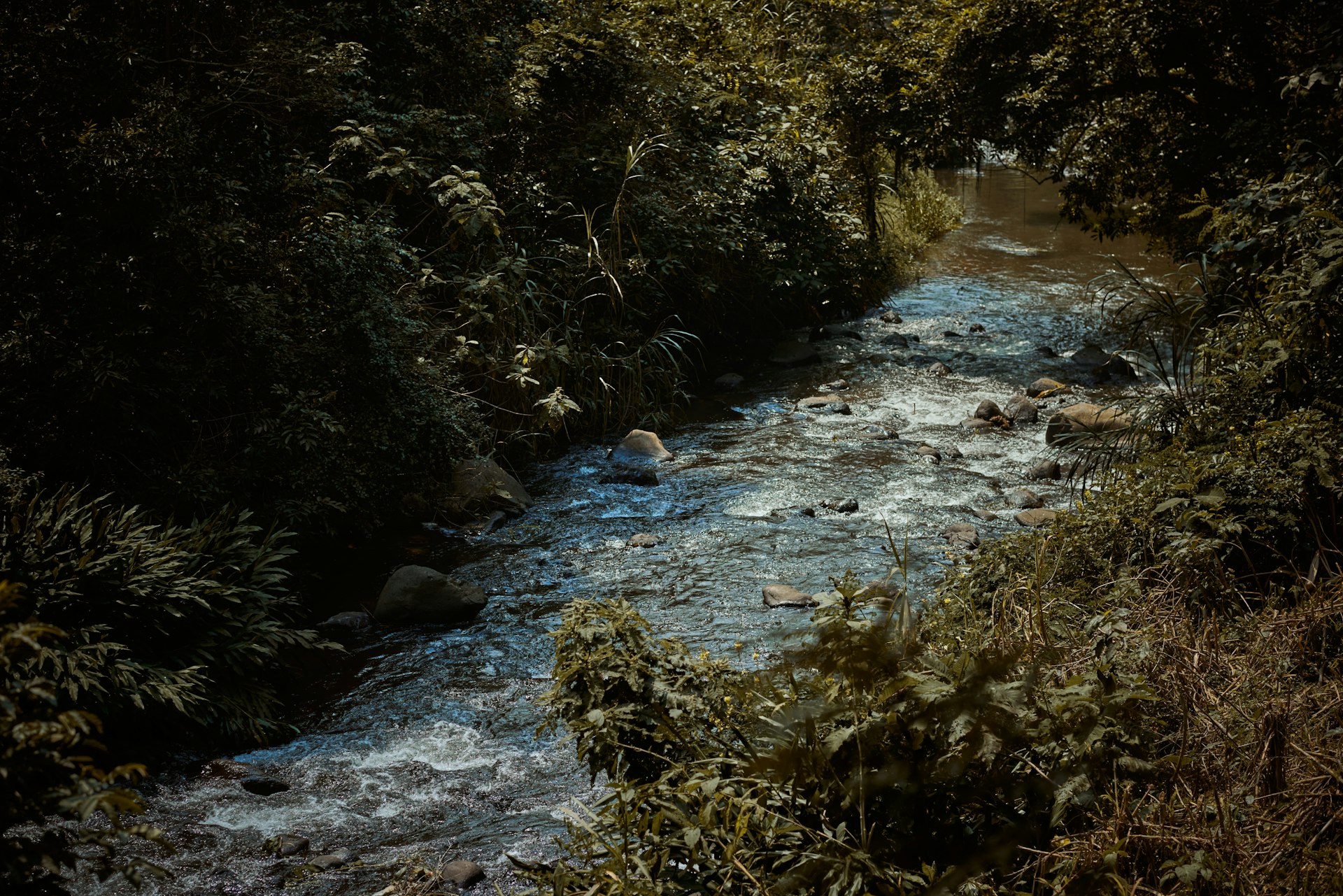
The gin-clear, cold river running through the valley provides opportunities for stream walks, cold-water dipping, and the simple pleasure of following water through a highland landscape. The river's edges are productive for small wildlife and botanical interest.
Combine with Afriski
Ts'ehlanyane and Afriski are adjacent and complementary, 30–45 minutes apart by 4WD, or 2–3 days by foot through the highlands. The two destinations make a natural northern circuit pairing. Most travellers stay at Maliba and day-trip to Afriski, or vice versa, depending on whether the visit centres on luxury or sport.
When to Visit Ts'ehlanyane National Park
Cool Dry
April, September
The most reliable hiking window. Sunny days, cool mornings, and stable conditions for both forest walks and the multi-day Afriski traverse. Some deciduous species in the forest strip to bare branches in deep winter (June–August), creating a different but equally striking aesthetic.
Forest Bloom
October, January
The forest is at its most lush, full leaf, dense canopy, and the river at full flow. Wildflowers along the higher trails. Afternoon thunderstorms are common; lightning risk on exposed terrain demands early starts.
Quiet Shoulder
February, March
The rains are tapering, the forest still green, and visitor numbers low. Excellent conditions for walking with cooler-than-summer temperatures. An underrated window for the Maliba experience without peak-season pricing.
Getting to Ts'ehlanyane National Park
From Maseru is approximately 3.5 hours via the A1 highway to Leribe (Hlotse) and then east on a gravel road into the park. Maliba Mountain Lodge provides detailed route guidance and can arrange transfers. From Afriski, the journey is 30–45 minutes by 4WD on the highland road connecting the resort to the park, the two destinations combine naturally in a northern circuit.
Where to Stay
Maliba Mountain Lodge, chalets built into the forested valley with the river audible from every room, is the single defining accommodation. As Lesotho's only five-star property, it fills quickly for peak periods (winter ski season at adjacent Afriski, South African school holidays). Book 3–6 months ahead for July–August. Self-catering huts in the park are available for budget travellers and self-sufficient hikers. Two to three nights at Maliba covers the forest walks, a birdwatching session, and a day excursion to Afriski.
Travel Tips for Ts'ehlanyane National Park
Frequently Asked Questions
- Is Maliba really five-star?
- Yes, certified, and credibly so. The chalets, food, spa, and service standard rival good African safari lodges. The setting (forest, river, highland silence) elevates the experience. Within Lesotho it is in a category of one; in southern Africa generally it competes with mid-upper safari lodges at significantly lower price points.
- Can I visit without staying at Maliba?
- Yes. The park is accessible by day visit and the trail network is open to non-lodge guests. Self-catering park accommodation provides a budget-friendly alternative for travellers who want the forest experience without the Maliba price point. The luxury and the wilderness are both available; choose based on budget and preferred register.
- Is the Afriski hike worth it?
- For experienced hikers, absolutely, it's one of southern Africa's more rewarding 2–3 day mountain traverses. For inexperienced trekkers it is too demanding to recommend. The route covers open exposed plateau where weather change is rapid; appropriate fitness and mountain gear are non-negotiable.
- How does Ts'ehlanyane compare to South African mountain forests?
- Smaller and less developed than the South African Drakensberg's Afromontane forest patches, but more atmospheric due to its isolated, in-valley setting. The Drakensberg has more variety; Ts'ehlanyane has more concentration. For travellers already familiar with the South African forests, Ts'ehlanyane provides an interesting Lesotho-specific complement.
Explore More, Ts'ehlanyane National Park
Things To Do
Plan Your Trip
More in Lesotho
Maletsunyane Falls & Semonkong
A 192-metre uninterrupted plunge into a basalt gorge in central Lesotho, the tallest single-drop waterfall in southern Africa, and host to t…
Sehlabathebe National Park
Lesotho's oldest park and part of the UNESCO Maloti-Drakensberg Transfrontier site. Sandstone monoliths, natural rock arches, 65+ San rock a…
Thaba-Bosiu
The flat-topped sandstone mesa where King Moshoeshoe I founded the Basotho nation in the 1820s and successfully defended it against Zulu, Nd…
Afriski Mountain Resort
Africa's only fully functional ski resort, in the Maluti Mountains of northern Lesotho. Genuine slopes from late June to August, mountain bi…
Katse Dam
A 185-metre double-curvature arch dam at the heart of the Lesotho Highlands Water Project, holding back 1.95 billion cubic metres in a flood…
Sani Pass
The most famous 4x4 mountain pass in southern Africa, 8 kilometres of severe switchbacks ascending from KwaZulu-Natal to 2,865 metres on the…
Malealea Valley
Lesotho's premier hub for community-based tourism and Basotho pony trekking. Multi-day treks reach hidden waterfalls, San rock art galleries…
Morija & Ha Kome
Lesotho's cultural and intellectual capital, site of the country's oldest standing building (1833), 200-million-year-old dinosaur footprints…
Maseru & the Highlands Circular Route
Lesotho's capital city and primary entry point, plus the spectacular Highlands Circular Route, some of the highest surfaced roads in souther…