
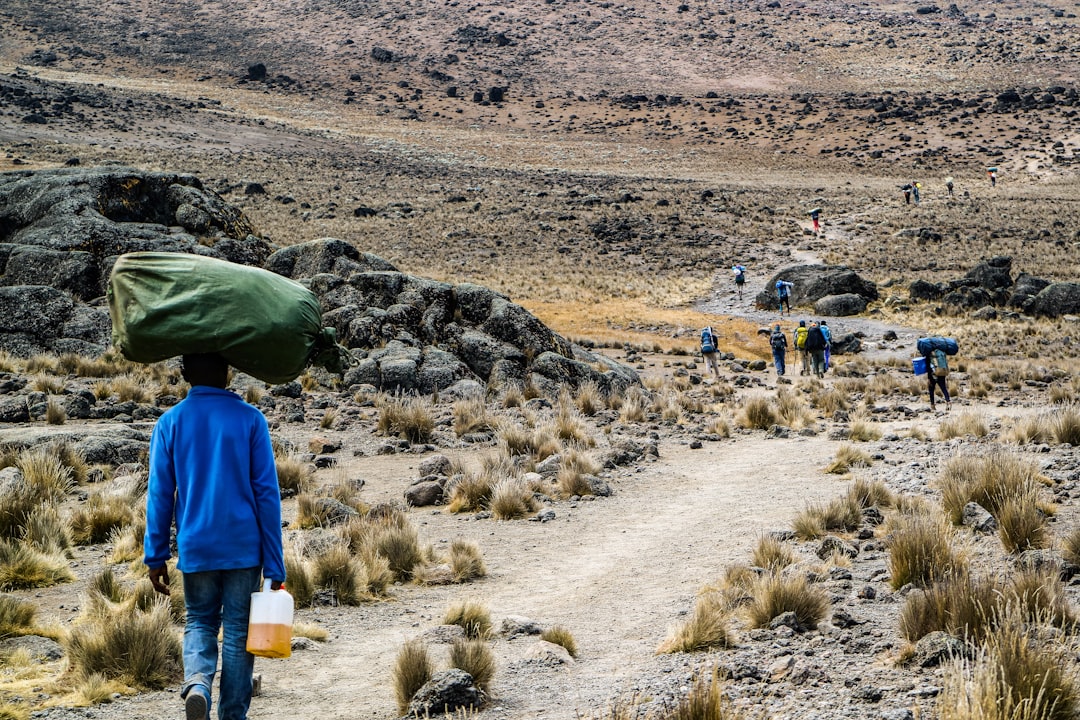
Botswana
The jewel of Southern African safari. The Okavango Delta, Chobe National Park, and the Makgadikgadi Salt Pans make Botswana one of the most sought-after wildlife destinations on Earth.
Photo by Ed Wingate on Unsplash
About Botswana
Botswana made a decision, decades before "sustainable tourism" became a marketing phrase, that would define its entire relationship with visitors: fewer people, higher standards, greater ecological impact. The high-value, low-volume model — implemented through vast private concessions, strictly limited tourist beds, and a regulatory framework that prevents the vehicle congestion found in most African parks — has produced what many seasoned safari travellers consider the best wildlife experience on the continent, and preserved the ecosystems that make it possible.
The results are visible across the country. The Okavango Delta, the world's largest inland delta and Africa's 1,000th UNESCO World Heritage site (inscribed in 2014), receives its annual floodwaters from the Angolan highlands and distributes them across 15,000 square kilometres of papyrus channels, crystal lagoons, and palm-fringed islands — with a fraction of the visitor numbers of comparable East African parks. The Chobe Riverfront hosts the highest elephant concentration on earth, around 120,000 individuals, viewed from river cruises and game vehicles without the convoys of minibuses that characterise Kenya's Masai Mara. The Central Kalahari Game Reserve, at 52,800 square kilometres the second-largest game reserve on earth, is so remote and so lightly trafficked that a sunrise at Deception Valley feels like a place that was never named. South of the Delta, the Makgadikgadi Pans transform in the wet season from cracked salt flats into shallow lakes that draw Africa's second-largest zebra migration and substantial flamingo populations.
The country is also a democracy of extraordinary stability, guided by the Botho philosophy of mutual respect and the Kgotla public assembly that has kept Botswana free from the corruption that has undermined neighbouring states. Diamond revenues funded schools and hospitals, not palace construction. This political coherence is part of why the safari infrastructure works as well as it does: the conservation frameworks are taken seriously, enforced consistently, and trusted by the operators who have invested in them. Botswana requires investment, in time, in money, and in patience. It rewards that investment with wildlife encounters, landscapes, and human experiences that define what a serious African safari can be.
Explore Botswana
In-depth guides to the destinations that define a trip to Botswana.
Africa's Last Eden
Okavango Delta
A vast inland delta where the Okavango River empties into the Kalahari Desert, creating 15,000 square kilometres of seasonal floodplains, pa…
The Elephant Capital of Africa
Chobe National Park
The world's highest concentration of African elephants — around 120,000 across the greater Chobe ecosystem — drinks from the Chobe River eve…
Wild Dogs, Pangolins, and the Delta's Eastern Edge
Moremi Game Reserve & Khwai
The eastern third of the Okavango Delta and Botswana's only Big Five reserve. Moremi protects exceptional wild dog populations and Big Five …
Black-Maned Lions and Absolute Wilderness
Central Kalahari Game Reserve
At 52,800 square kilometres, the second-largest game reserve on earth. Black-maned Kalahari lions, cheetah hunting on open fossil valleys, S…
Salt, Baobabs, and the Zebra Migration
Makgadikgadi Pans
Twelve thousand square kilometres of salt pans, the remains of a prehistoric super-lake. Lunar landscapes for dry-season quad-biking, Africa…
Red Dunes and Frontier Camping
Kgalagadi Transfrontier Park
A 38,000 km² transfrontier park spanning Botswana and South Africa. Rolling red Kalahari dunes, black-maned lion prides, brown hyena, and th…
Botswana's Most Exclusive Safari
Linyanti & Selinda Concessions
The private concessions between the Okavango Delta and Chobe — ultra-exclusive safari territory with extraordinary wild dog populations, mas…
Baines' Baobabs and Open-Pan Cheetah Country
Nxai Pan National Park
A fossil lakebed adjacent to the Makgadikgadi with open terrain ideal for cheetah hunting and the ancient cluster of baobabs painted by Thom…
The Louvre of the Desert
Tsodilo Hills
A UNESCO World Heritage rock art site with over 4,500 paintings on four quartzite massifs rising from the flat Kalahari, the highest concent…
The Land of Giants
Tuli Block
Far eastern Botswana at the meeting of three countries. Sandstone cliffs, massive baobabs, large elephant herds, and Mashatu Game Reserve's …
Top Highlights
When to Visit Botswana
Peak Dry
June, August
The classic Botswana window. The Okavango flood arrives at its peak just as the Kalahari is at its driest, pulling wildlife into the Delta in extraordinary concentrations. Chobe Riverfront elephant herds are at their largest. Cool dry mornings (4-10°C), comfortable days, clear skies. Peak pricing applies; the top concessions book 12-18 months ahead.
Late Dry
September, October
Water levels drop and wildlife concentrates around the remaining sources. The most intense predator-prey dynamics of the year. Heat builds rapidly through October (35°C+). Visibility is at maximum as vegetation thins. The optimal window for predator photography.
Shoulder
April, May
Arguably the best value window. The rains are ending, the Kalahari is still green, and the Okavango flood is building. Wild dog denning season begins. Lodge prices have not hit peak. A strong choice for travellers wanting Botswana at its best without the highest pricing.
Green Season
November, March
Summer rains transform the Kalahari into productive grassland. The Central Kalahari and Nxai Pan are at their ecological peak. Makgadikgadi hosts Africa's second-largest zebra migration. Calving season triggers concentrated predator activity. Migratory birds arrive in extraordinary numbers. Lodge rates drop significantly. Some access tracks become difficult after heavy rain.
Getting to Botswana
Most safari travellers enter Botswana through Maun (MUB), the gateway to the Okavango Delta, or Kasane (BBK) for Chobe. Both airports are served by regional flights from Johannesburg, Cape Town, and Gaborone. Light aircraft charters then connect onward to individual camps. Self-driving is possible on the main roads between Maun, Kasane, and Gaborone, but access into the Delta itself is almost always by air.
Main Airports
- Maun Airport (MUB), gateway to the Okavango Delta
- Kasane Airport (BBK), gateway to Chobe and Victoria Falls
- Sir Seretse Khama International Airport (Gaborone)
Visa Information
Many nationalities (including most Commonwealth and EU countries, the US, and Canada) do not require a visa for stays of up to 90 days. Passports must have at least 6 months' validity and proof of onward travel is required.
From Neighbouring Countries
The Kazungula Bridge (opened 2021) connects Botswana to Zambia and makes it easy to combine Chobe with Victoria Falls. The border with Zimbabwe at Kazungula and the border with South Africa at several crossings (Ramatlabama, Pioneer Gate) are all straightforward for self-drivers.
Travel Tips for Botswana
Explore More, Botswana
More in Southern Africa
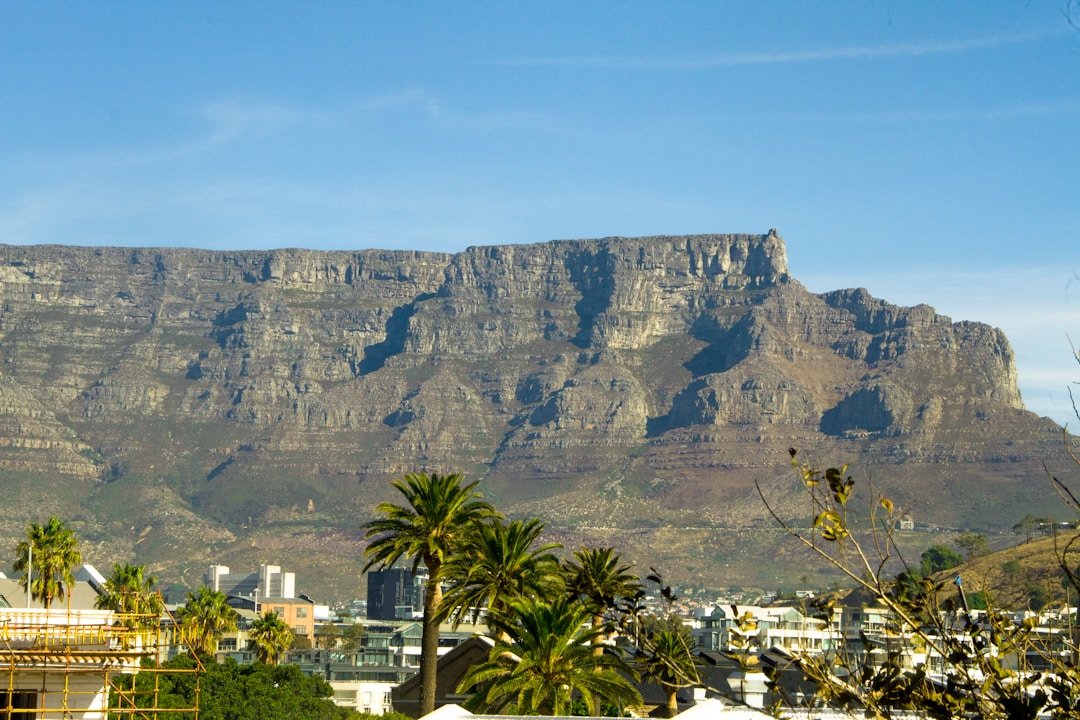
South Africa
Capital: Pretoria
A world in one country, Big Five safari that sets the global benchmark, Cape Town as one of the world's great cities, the Cape Winelands matching the world's best, the Garden Route, the Drakensberg, and the historical depth of the Apartheid Museum and Robben Island. No other African country assembles this range.
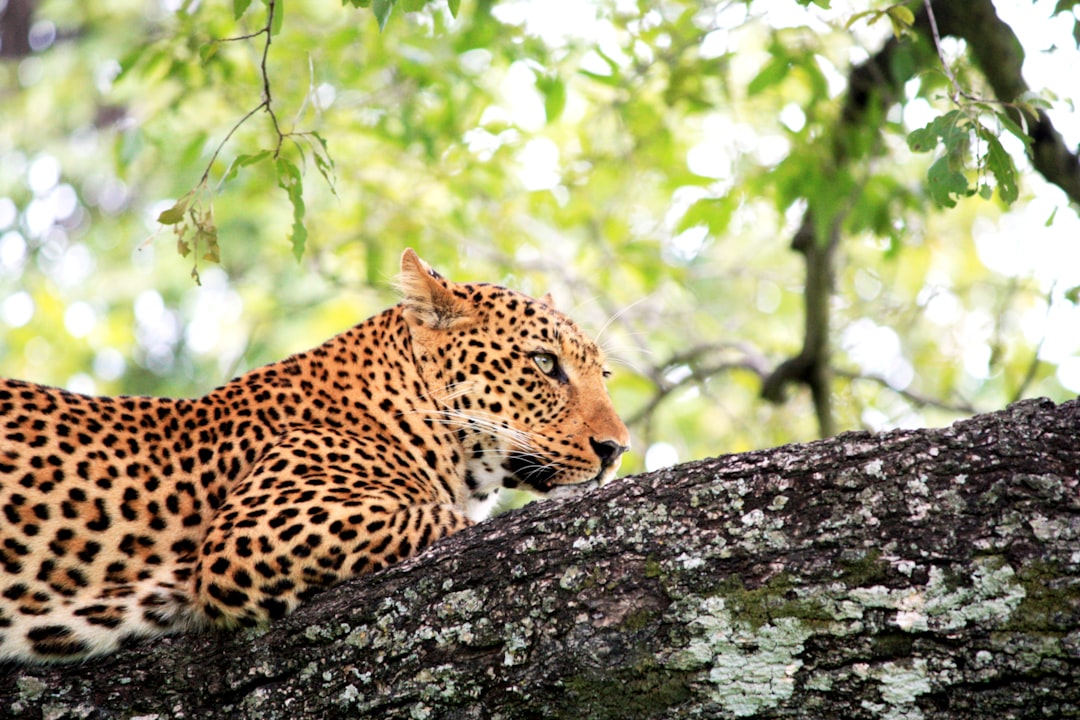
Zambia
Capital: Lusaka
Home to the mighty Victoria Falls and some of Africa's finest walking safaris. Zambia is raw, authentic, and uncrowded, a destination for travellers who want to experience the real Africa.
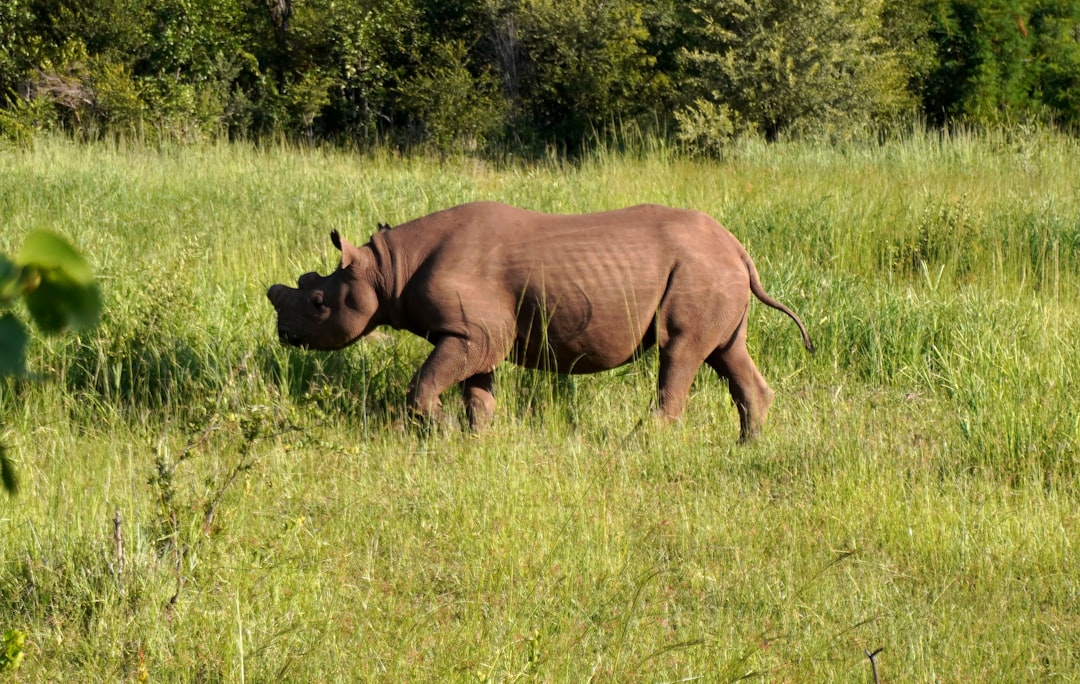
Zimbabwe
Capital: Harare
From the Zimbabwe side of Victoria Falls to the ancient ruins of Great Zimbabwe, this is a country of extraordinary natural beauty and deep cultural heritage. Hwange and Mana Pools deliver world-class safari experiences.
Namibia
Capital: Windhoek
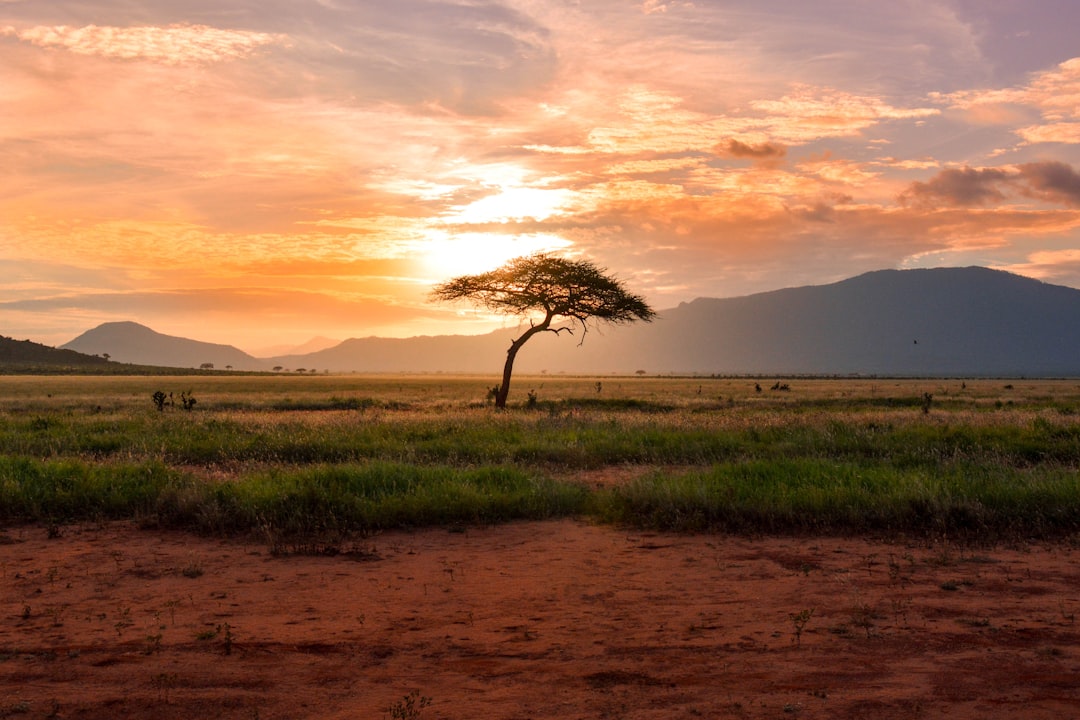
A photographer's paradise of towering red dunes, shipwreck coastlines, and vast desert landscapes. Namibia is one of Africa's most visually striking countries, with excellent self-drive routes and unique desert-adapted wildlife.
Mozambique
Capital: Maputo
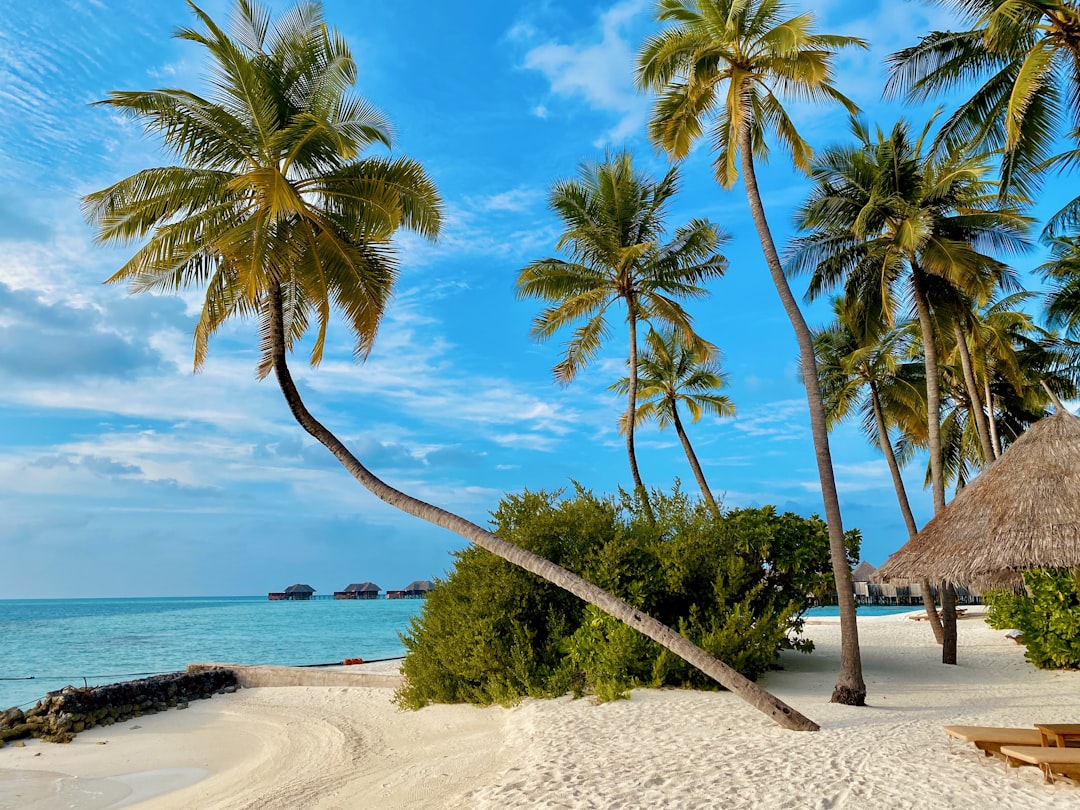
Africa's Indian Ocean paradise, 2,500 kilometres of coast, the Bazaruto Archipelago's last viable dugong population, year-round whale sharks at Tofo, Africa's greatest rewilding story at Gorongosa, and the UNESCO heritage of Ilha de Moçambique. Note: Cabo Delgado Province (including the Quirimbas) is currently subject to Level 4 "Do Not Travel" advisories.
Eswatini
Capital: Mbabane
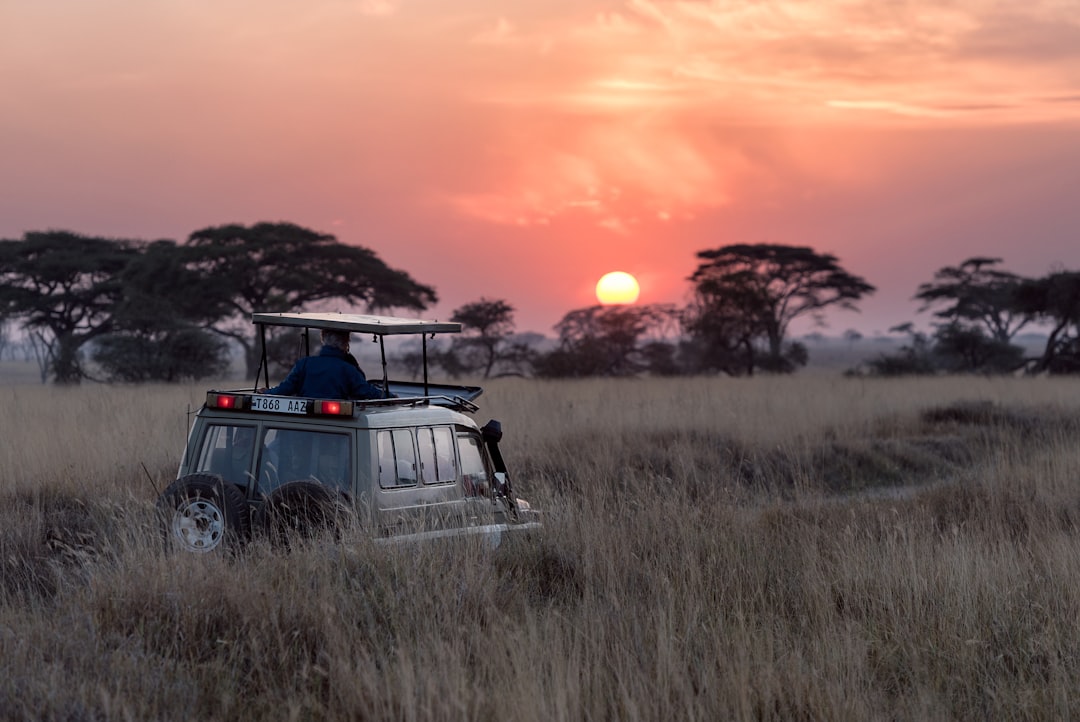
Africa's last absolute monarchy is a small but culturally rich kingdom nestled between South Africa and Mozambique. Known for its vibrant traditions, nature reserves, and the spectacular Umhlanga Reed Dance.