
Namibia
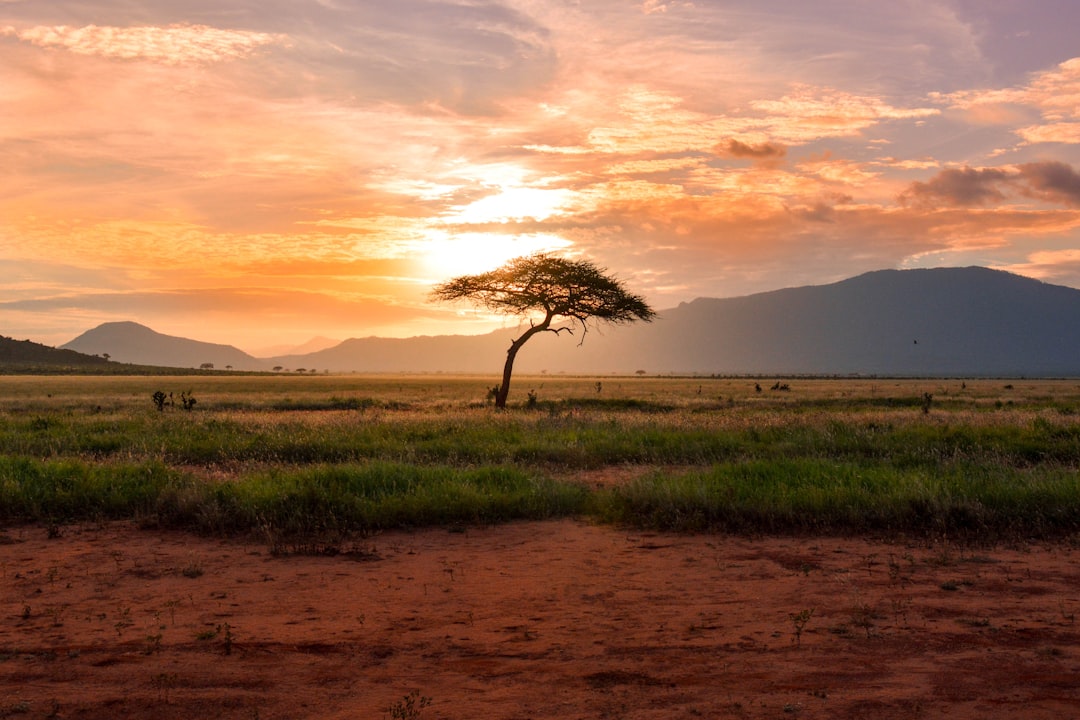
A photographer's paradise of towering red dunes, shipwreck coastlines, and vast desert landscapes. Namibia is one of Africa's most visually striking countries, with excellent self-drive routes and unique desert-adapted wildlife.
Photo by Bernd Dittrich on Unsplash
About Namibia
Namibia is the great self-drive country of Africa. Where most safari destinations lock you into fly-in camps and guided game drives, Namibia hands you a 4x4, a map, and 800,000 square kilometres of some of the most spectacular landscape on the continent. The roads are good, the infrastructure is solid, the population is sparse (just 2.5 million people in a country the size of France and Germany combined), and the scenery changes completely every few hundred kilometres.
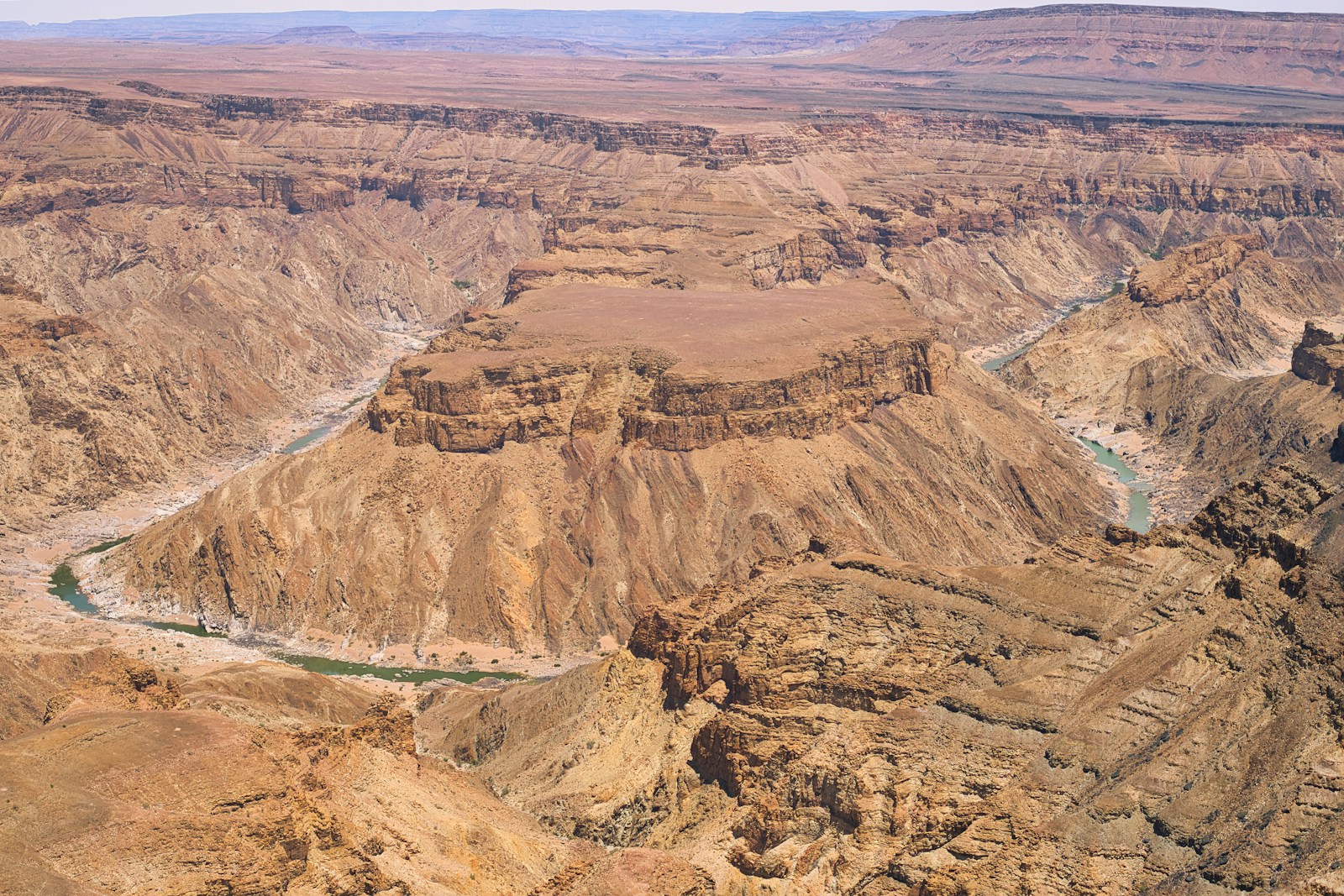
The country's headline images are well known: the towering orange dunes of Sossusvlei, the cracked white floor of Deadvlei dotted with 900-year-old dead trees, the shipwreck-strewn fog of the Skeleton Coast, and the vast white pan of Etosha with its oddly desert-adapted elephants. Less famous but no less remarkable are Damaraland's desert-adapted elephants and rhinos, the ancient rock art of Twyfelfontein, and Fish River Canyon, the second-largest canyon in the world after the Grand Canyon, cut deep into the arid southern Namib.
Namibia also happens to be one of the world's conservation success stories. Community conservancies, locally managed wildlife areas that cover 20% of the country, have turned places like Damaraland from over-hunted near-wastelands into thriving wildlife refuges. The result is a country where the landscapes look empty but are full of life if you know how to look. For travellers who want genuine wilderness, genuine independence, and landscapes that look unlike anywhere else in Africa, Namibia delivers.
Top Highlights
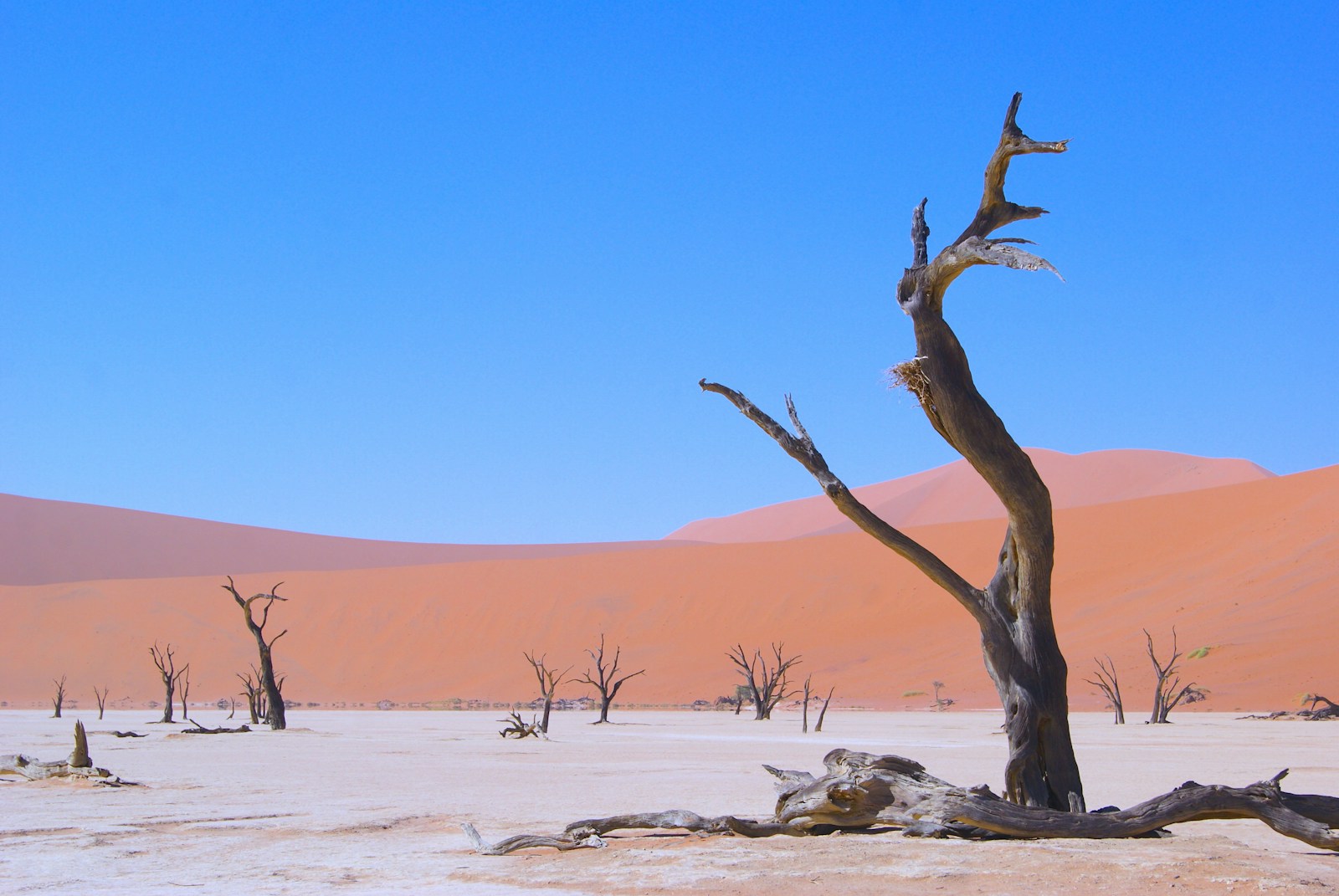
Sossusvlei & Deadvlei
The iconic orange dunes of the Namib Desert, some of the tallest in the world, surrounding the ghostly white clay pan of Deadvlei, where 900-year-old dead camelthorn trees stand against the red sand. One of the most photographed landscapes on Earth, and even more extraordinary in person.
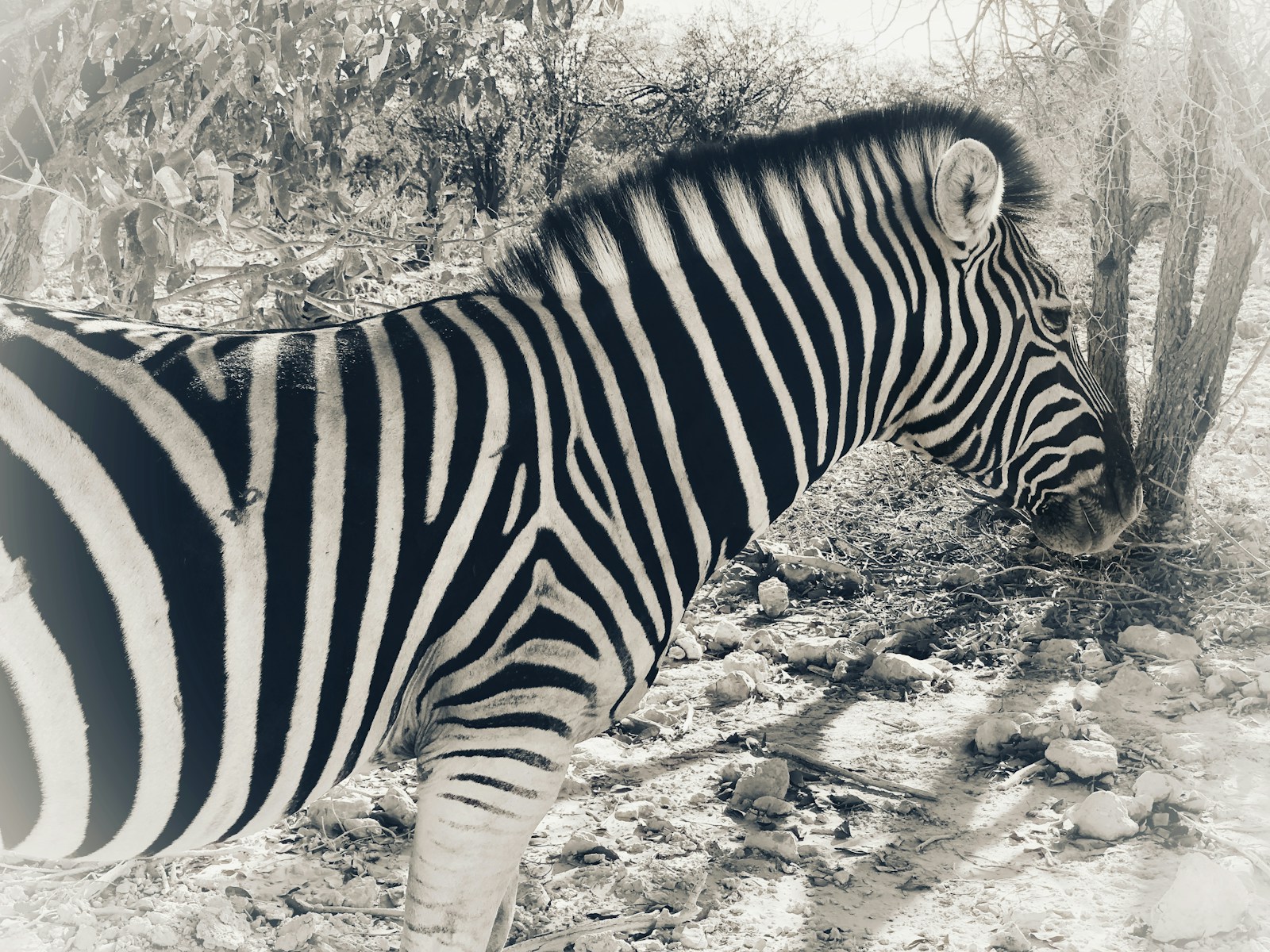
Etosha National Park
A huge salt pan surrounded by savanna and dry woodland, home to elephants, lions, giraffes, and the endangered black rhino. The park's waterholes in the dry season become natural theatres, you can sit at a floodlit camp waterhole at night and watch wildlife drink metres from your chair.
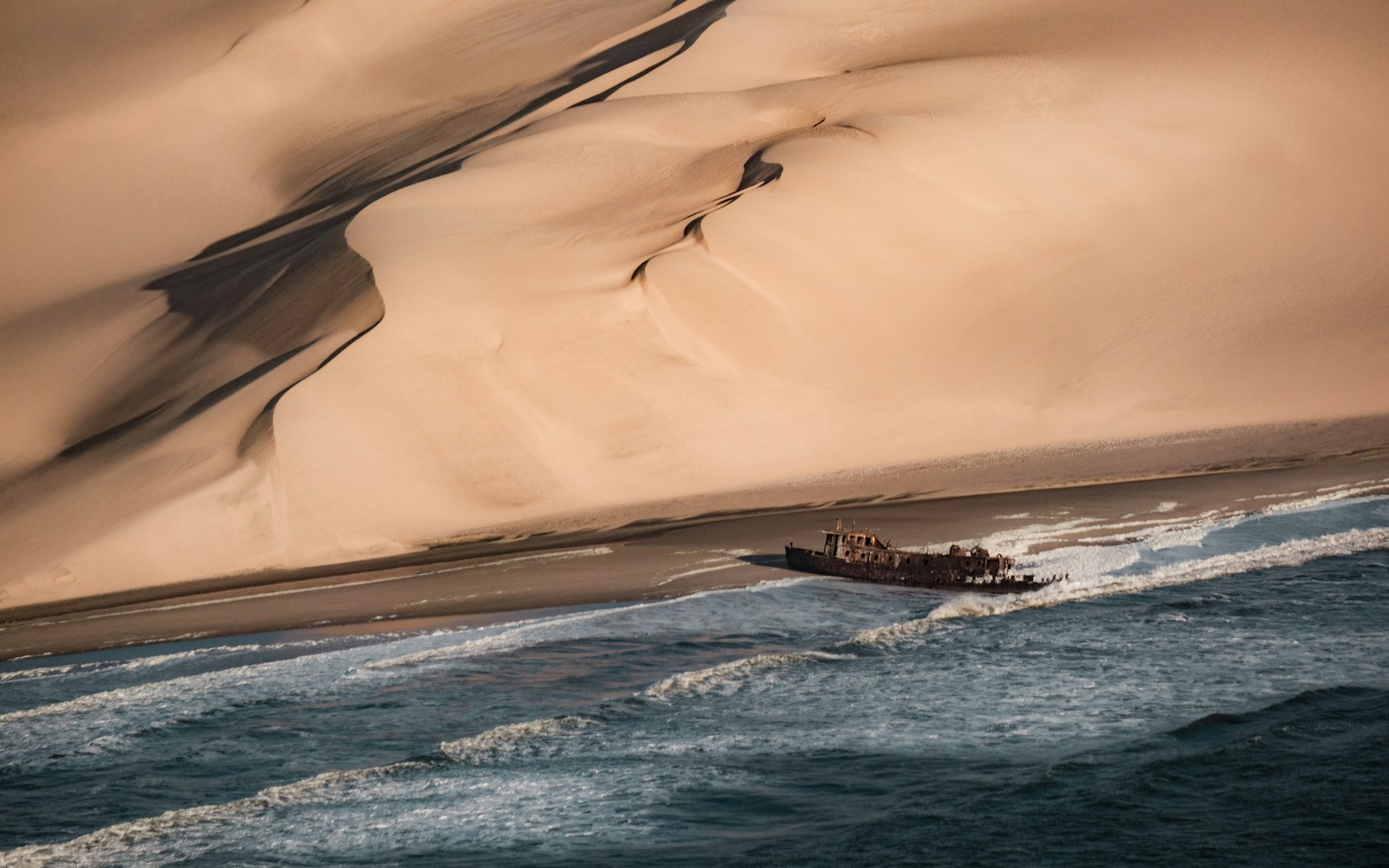
Skeleton Coast
A haunting 500-kilometre stretch of Atlantic coastline where cold ocean currents collide with hot desert winds, creating dense fog and treacherous conditions that have wrecked hundreds of ships over the centuries. Desert-adapted lions, brown hyenas, and seals patrol the shoreline.
Fish River Canyon
The second-largest canyon in the world after the Grand Canyon, 160 kilometres long, 27 kilometres wide, and 550 metres deep at its most dramatic point. The 85-kilometre, five-day hike through the canyon floor is one of Africa's great multi-day walks, open only from May to mid-September.
Damaraland
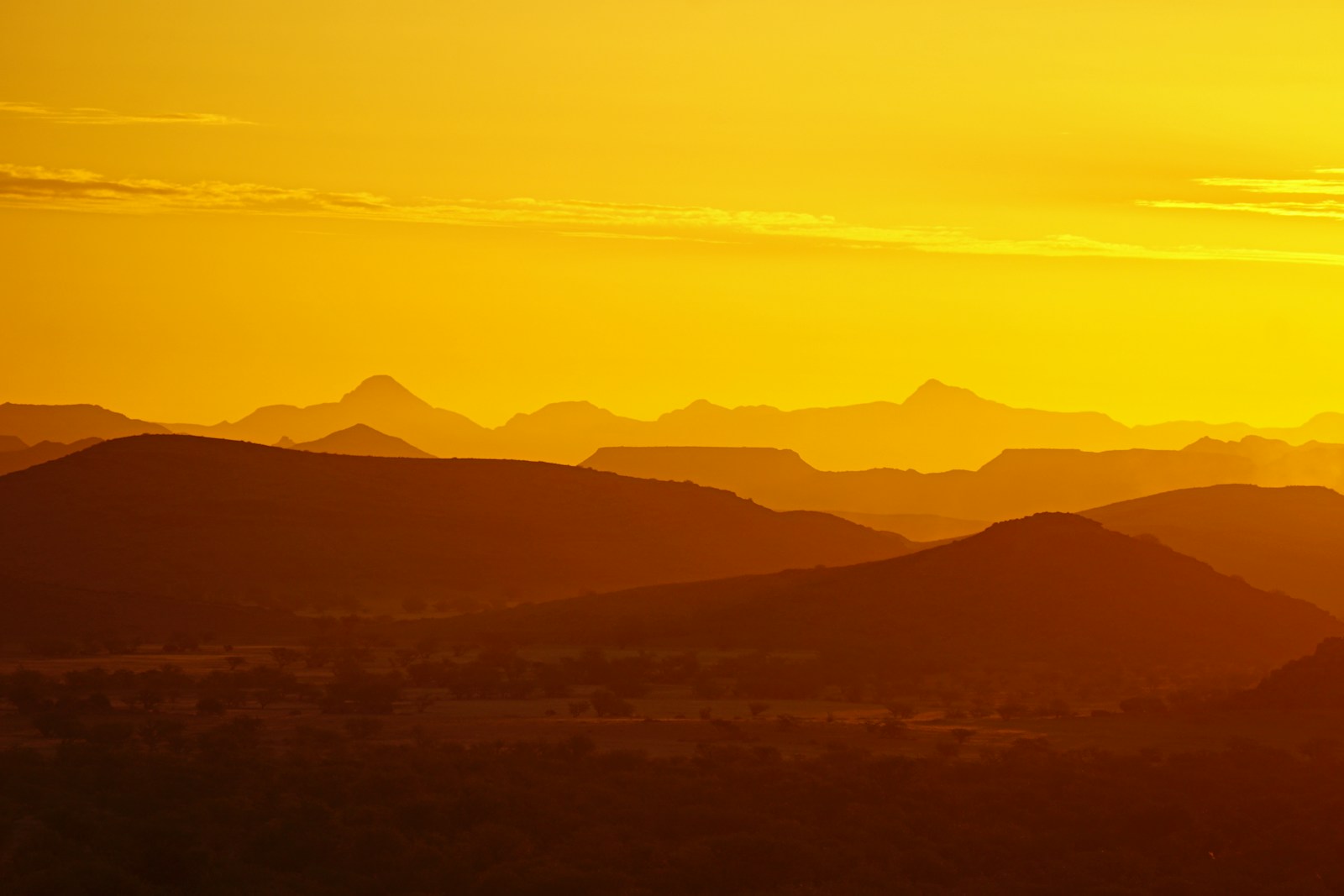
A rugged, arid region of northwestern Namibia famous for its desert-adapted elephants, rare desert-adapted black rhinos, and ancient San rock art at Twyfelfontein, a UNESCO World Heritage site. Community conservancies here have turned overhunted land into one of Africa's great conservation success stories.
When to Visit Namibia
Dry Winter
May, October
The best time for wildlife and self-drive travel. Cool, dry days, cold nights, and minimal rain. Wildlife at Etosha is concentrated around waterholes, photography is at its sharpest, and roads are in their best condition. Peak season in June-August, book accommodation well ahead.
Shoulder
April / November
A shoulder period before and after the summer rains. Temperatures are climbing but the crowds are thinner and the light is dramatic. Landscapes are beginning to green up or dry out, depending on the side of the season.
Wet Summer
December, March
The rainy season brings afternoon thunderstorms, dramatic skies, and, in a good year, the flooding of Sossusvlei's pans into shallow lakes, a rare and extraordinary sight. Temperatures can top 40°C in the desert. Game viewing is harder as wildlife disperses, but birding is exceptional.
Getting to Namibia
Most international travellers fly into Hosea Kutako International Airport (WDH) near Windhoek, usually via Johannesburg, Addis Ababa, or Frankfurt. Windhoek is the usual starting point for self-drive itineraries, 4x4 rental is widely available and essential for off-tar travel. Regional flights connect Windhoek to Swakopmund, Walvis Bay, and several northern airstrips for fly-in access to remote camps.
Main Airports
- Hosea Kutako International Airport (WDH), Windhoek
- Walvis Bay International Airport (WVB), coastal access
Visa Information
Many nationalities (EU, US, UK, most Commonwealth countries) do not require a visa for stays up to 90 days. Others can obtain a visa on arrival or via the e-visa system. Passports must have at least 6 months' validity and two blank pages.
From Neighbouring Countries
Namibia shares borders with South Africa, Botswana, Zambia, Zimbabwe (via the Caprivi Strip), and Angola. Overland travel from South Africa is common, the main Orange River crossings are straightforward, and the Trans-Kalahari Highway connects Namibia to Botswana and South Africa's Gauteng province.
Travel Tips for Namibia
Explore More, Namibia
More in Southern Africa
South Africa
Capital: Pretoria
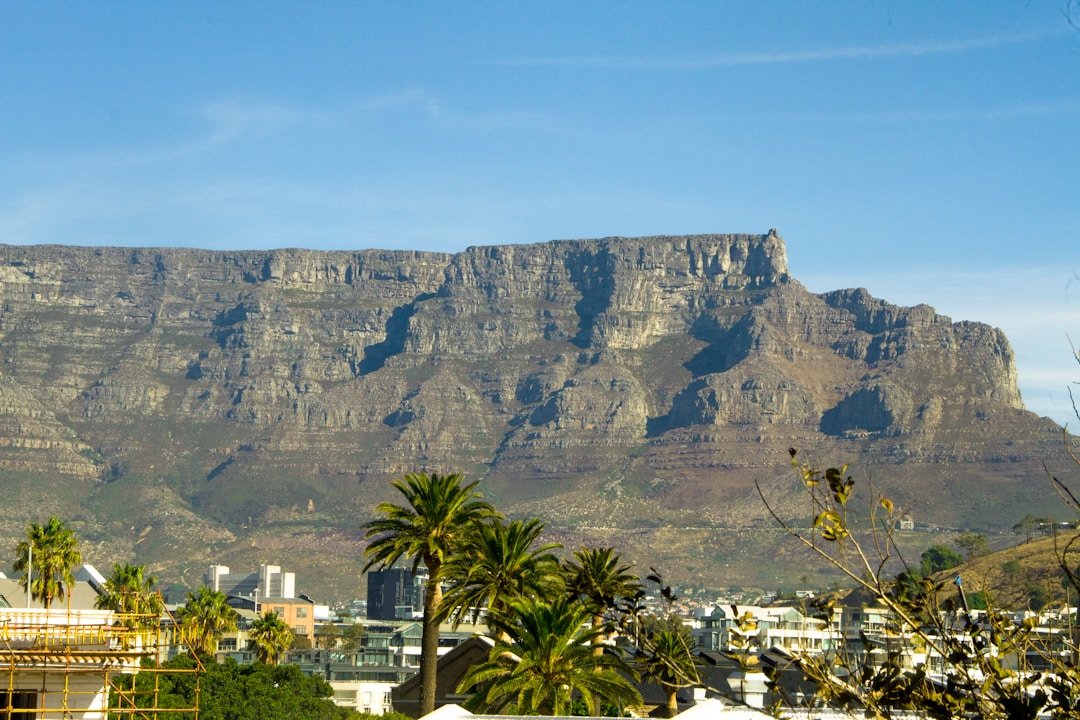
A world in one country, Big Five safari that sets the global benchmark, Cape Town as one of the world's great cities, the Cape Winelands matching the world's best, the Garden Route, the Drakensberg, and the historical depth of the Apartheid Museum and Robben Island. No other African country assembles this range.
Zambia
Capital: Lusaka
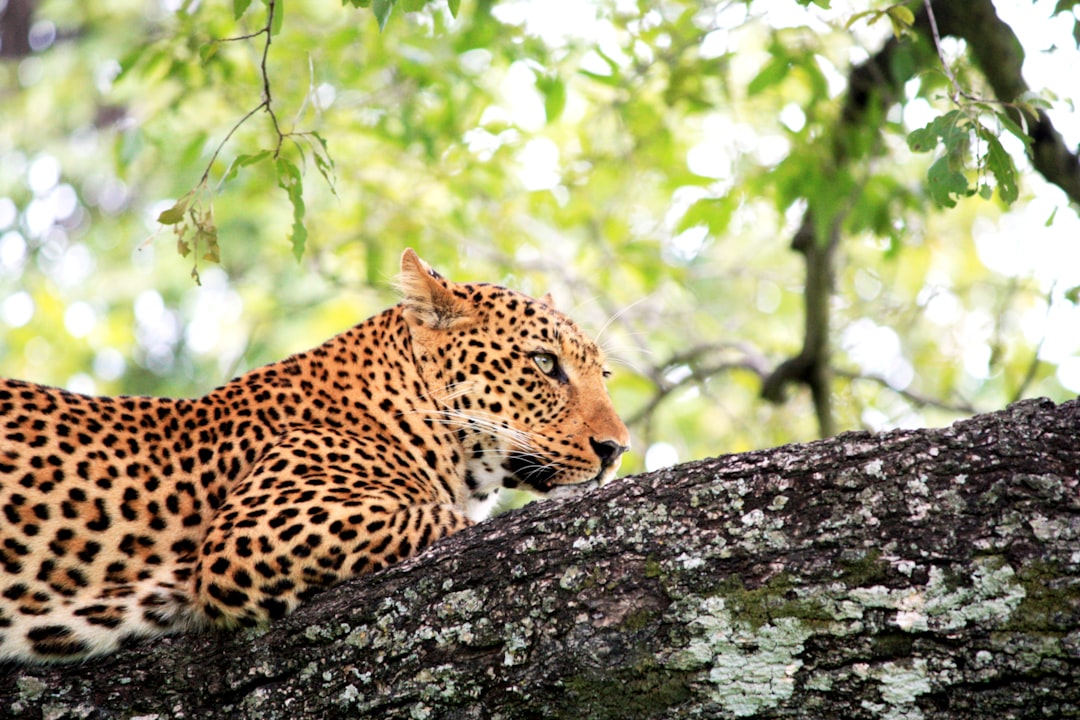
Home to the mighty Victoria Falls and some of Africa's finest walking safaris. Zambia is raw, authentic, and uncrowded, a destination for travellers who want to experience the real Africa.
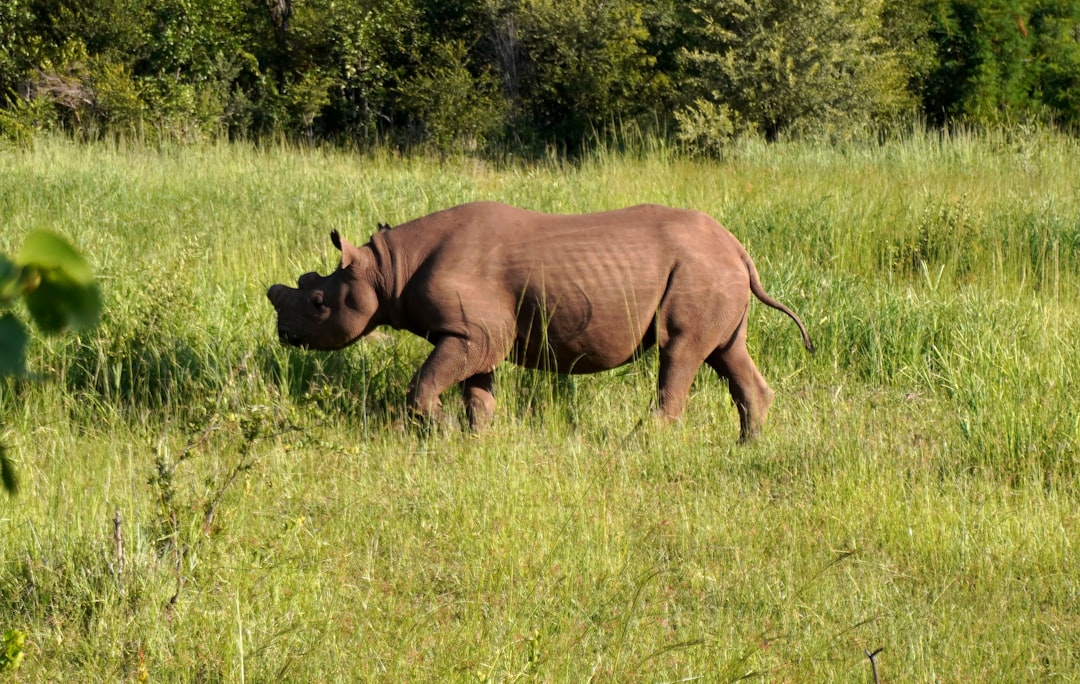
Zimbabwe
Capital: Harare
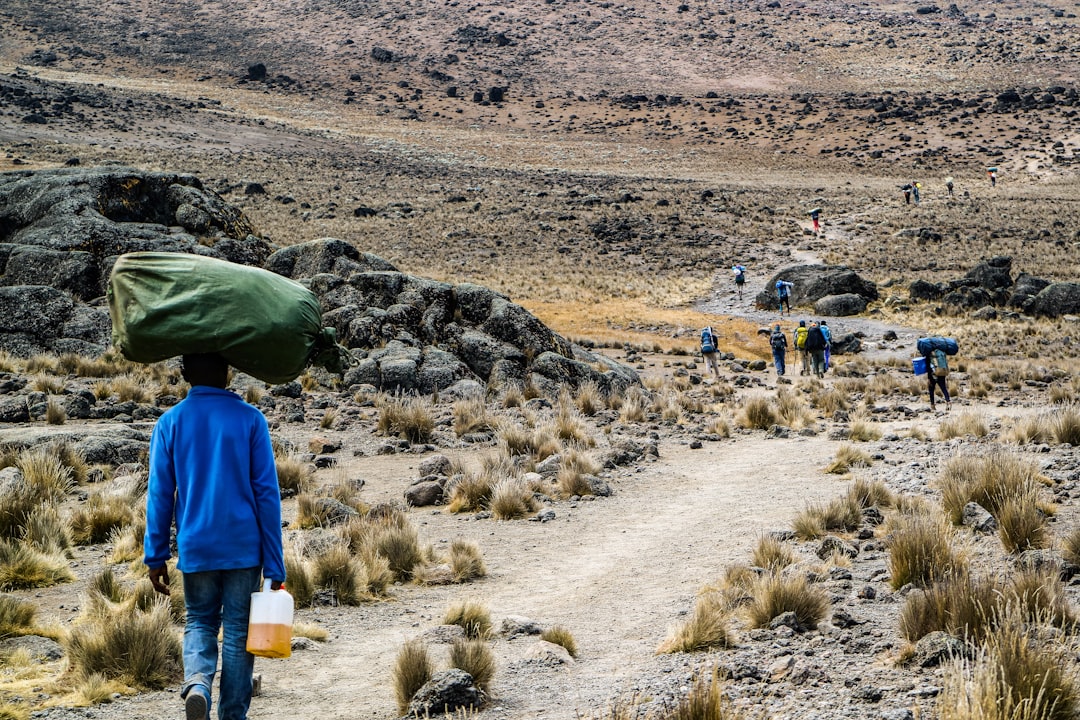
From the Zimbabwe side of Victoria Falls to the ancient ruins of Great Zimbabwe, this is a country of extraordinary natural beauty and deep cultural heritage. Hwange and Mana Pools deliver world-class safari experiences.
Botswana
Capital: Gaborone
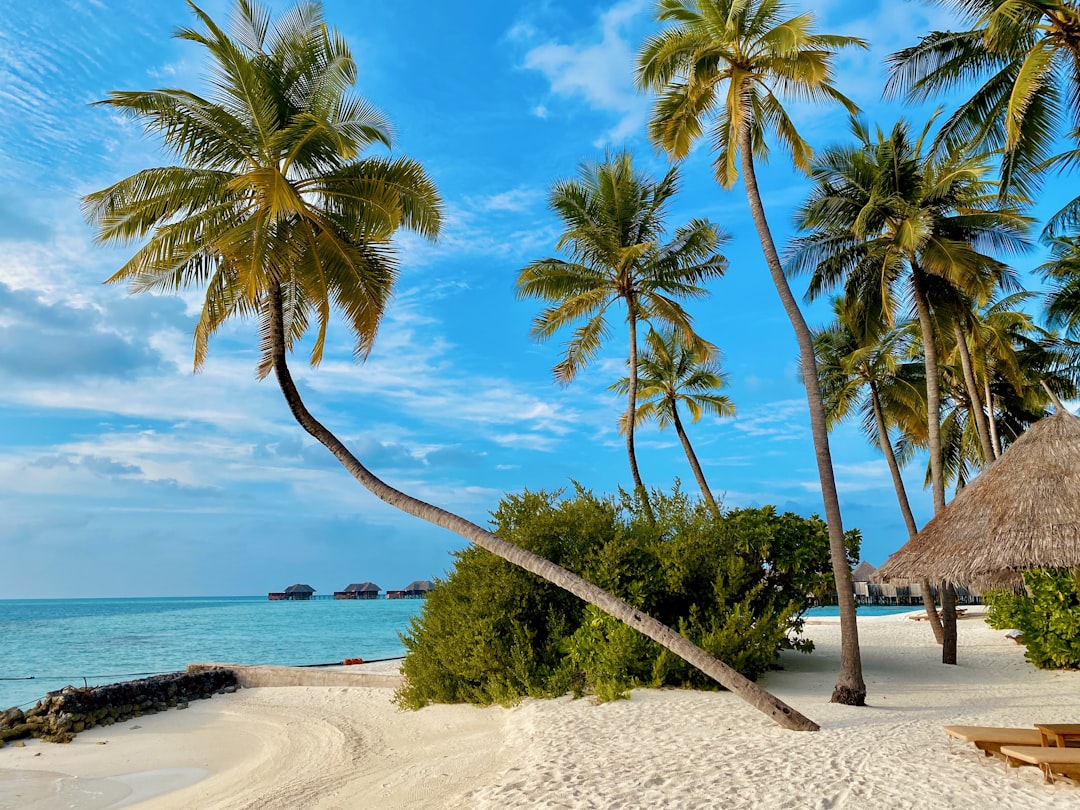
The jewel of Southern African safari. The Okavango Delta, Chobe National Park, and the Makgadikgadi Salt Pans make Botswana one of the most sought-after wildlife destinations on Earth.
Mozambique
Capital: Maputo
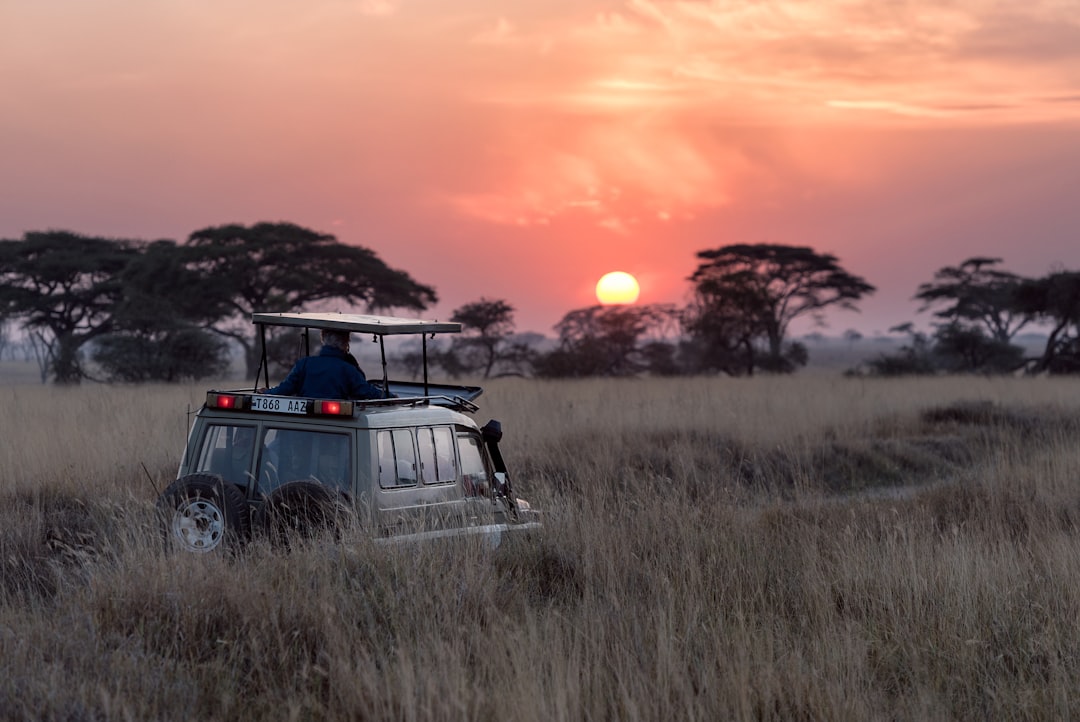
Africa's Indian Ocean paradise, 2,500 kilometres of coast, the Bazaruto Archipelago's last viable dugong population, year-round whale sharks at Tofo, Africa's greatest rewilding story at Gorongosa, and the UNESCO heritage of Ilha de Moçambique. Note: Cabo Delgado Province (including the Quirimbas) is currently subject to Level 4 "Do Not Travel" advisories.
Eswatini
Capital: Mbabane
Africa's last absolute monarchy is a small but culturally rich kingdom nestled between South Africa and Mozambique. Known for its vibrant traditions, nature reserves, and the spectacular Umhlanga Reed Dance.