A practical guide to Madikwe Game Reserve, South Africa's malaria-free Big Five safari near Johannesburg, with strong wild dog viewing and family-friendly, all-inclusive lodges.
- Location
- North West province, South Africa, on the Botswana border
- Size
- Approximately 750 sq km (one of South Africa's largest reserves)
- Malaria risk
- Malaria-free year-round
- Wildlife
- Big Five, plus African wild dog and cheetah
- Access
- 3.5-4 hours' drive from Johannesburg or Pretoria, or a charter flight
- Best time
- Dry winter, May to September, for the best game viewing
Madikwe Game Reserve is one of South Africa's largest protected wildernesses and arguably its most underrated Big Five destination. Covering roughly 750 square kilometres in the North West province, hard against the Botswana border, it combines open savannah, rocky outcrops and the foothills of the Dwarsberg mountains. What sets it apart from busier parks is a rare and valuable trait: the reserve is malaria-free.
That single fact reshapes who can comfortably visit. Families with young children, older travellers and anyone reluctant to take anti-malarial prophylaxis can enjoy a full Big Five safari without weighing up tablets and side effects. Add reliable lion, leopard, elephant, buffalo and rhino sightings, plus some of the best African wild dog viewing on the continent, and Madikwe earns its growing reputation.
This guide explains how the reserve works, when to visit, what a safari costs and how to get there from Johannesburg or Pretoria, so you can decide whether Madikwe suits your trip.
Where is Madikwe Game Reserve and why is it malaria-free?
Madikwe lies in the far north of South Africa's North West province, roughly 90 kilometres north of the town of Zeerust, with its northern boundary running along the Botswana border near the Madikwe-Pilanesberg corridor. The landscape is a transition zone where Kalahari sandveld meets bushveld, producing varied habitats that support an unusually wide range of species across open plains, woodland and inselberg hills.
The reserve sits well outside South Africa's malaria-risk areas, which are concentrated in the low-lying north-east around the Kruger National Park. Because of its higher altitude, drier climate and geographic position, Madikwe carries no malaria risk at any time of year. There is no need for prophylaxis, repellent regimes aimed at malaria, or the usual precautions families take in higher-risk parks.
This makes Madikwe one of the most reassuring choices for a first safari, particularly for travellers bringing children or for those with health conditions that make anti-malarial drugs unsuitable.
The history: Operation Phoenix and a restored wilderness
Madikwe is not an ancient park but a deliberate act of restoration. The reserve was proclaimed in 1991 on land that had been degraded cattle and crop farms. A government study concluded that wildlife and tourism would deliver more value to the region than marginal agriculture, and the reserve was established as a partnership between the state, the private sector and local communities.
What followed was Operation Phoenix, one of the largest game translocation exercises ever attempted in Africa. Between 1991 and the late 1990s, more than 8,000 animals across some 28 species were reintroduced, including elephant, rhino, buffalo, lion and eventually African wild dog. Fences were removed, old farm infrastructure was cleared and the bush was allowed to recover.
The result is a fully functioning ecosystem that today feels entirely wild, even though it was reassembled within living memory. Understanding this history adds depth to a Madikwe safari: the wildlife you watch is the product of one of conservation's boldest experiments.
Wildlife: Big Five, wild dogs and cheetah
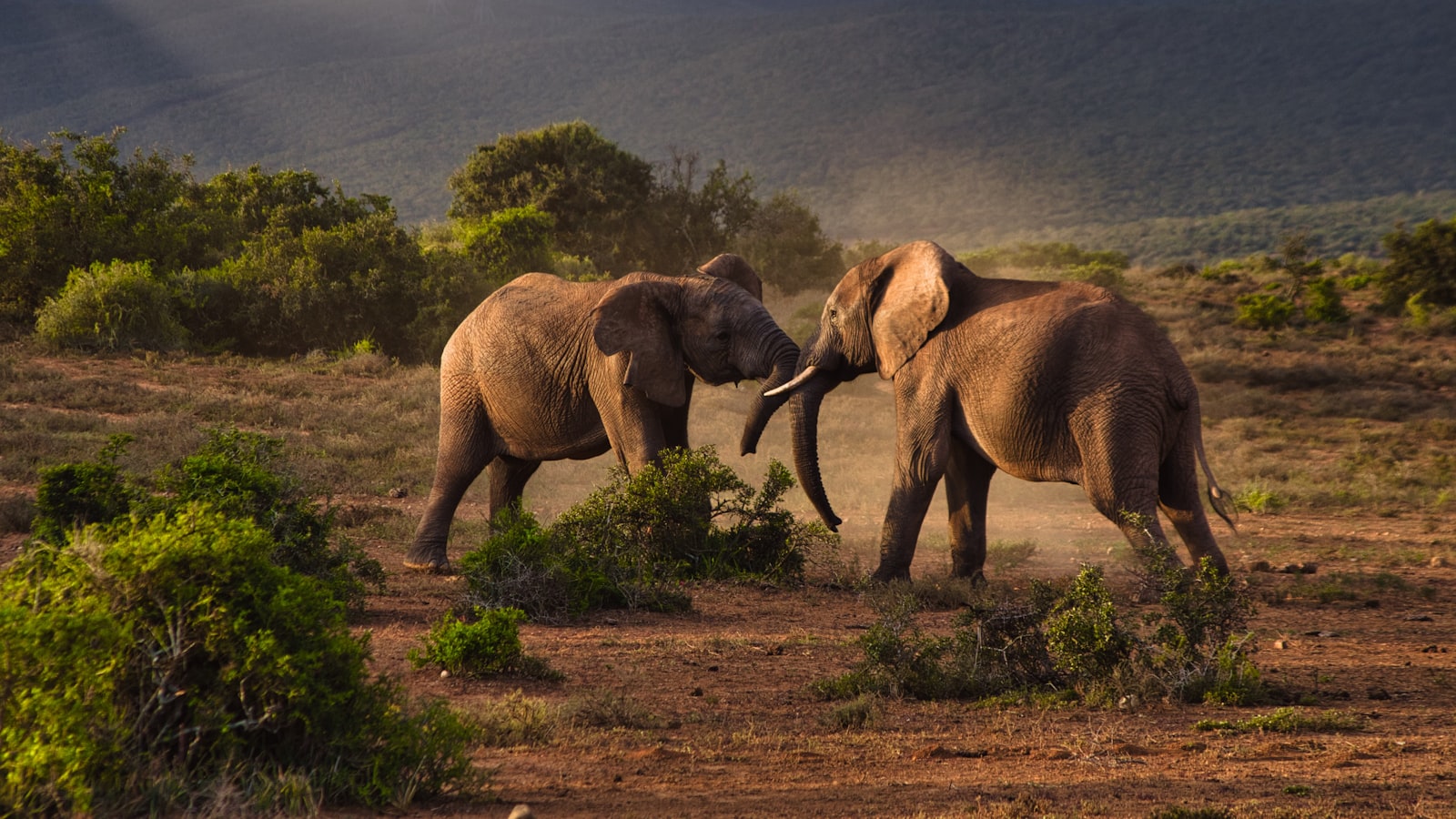
Photo by Patrick Baum on Unsplash
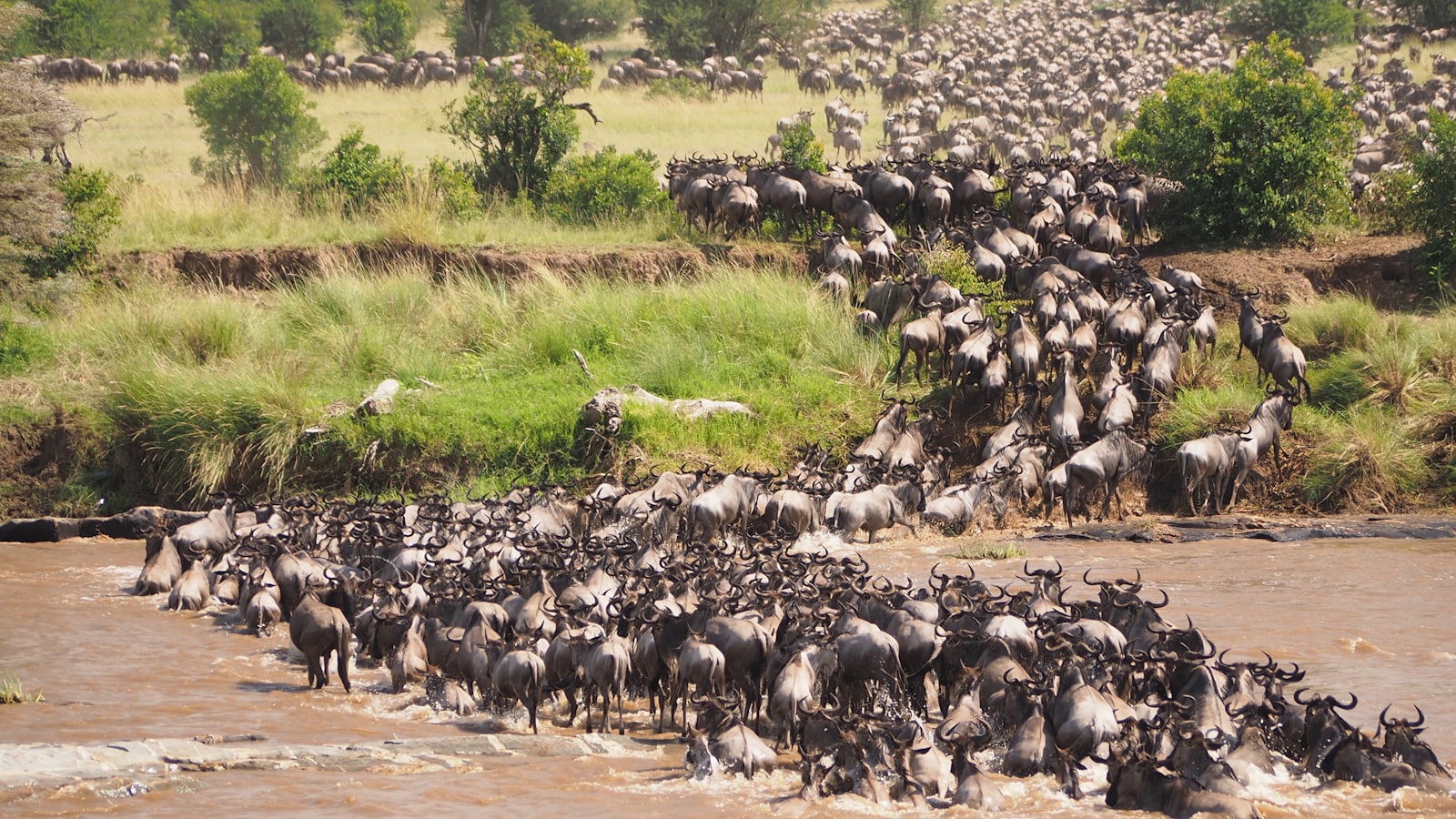
Madikwe delivers the full Big Five: lion, leopard, elephant, buffalo and both white and black rhino. Elephant herds are large and frequently seen, lion prides are well established, and the open terrain gives good odds on cheetah, which hunt across the plains in the cooler hours.
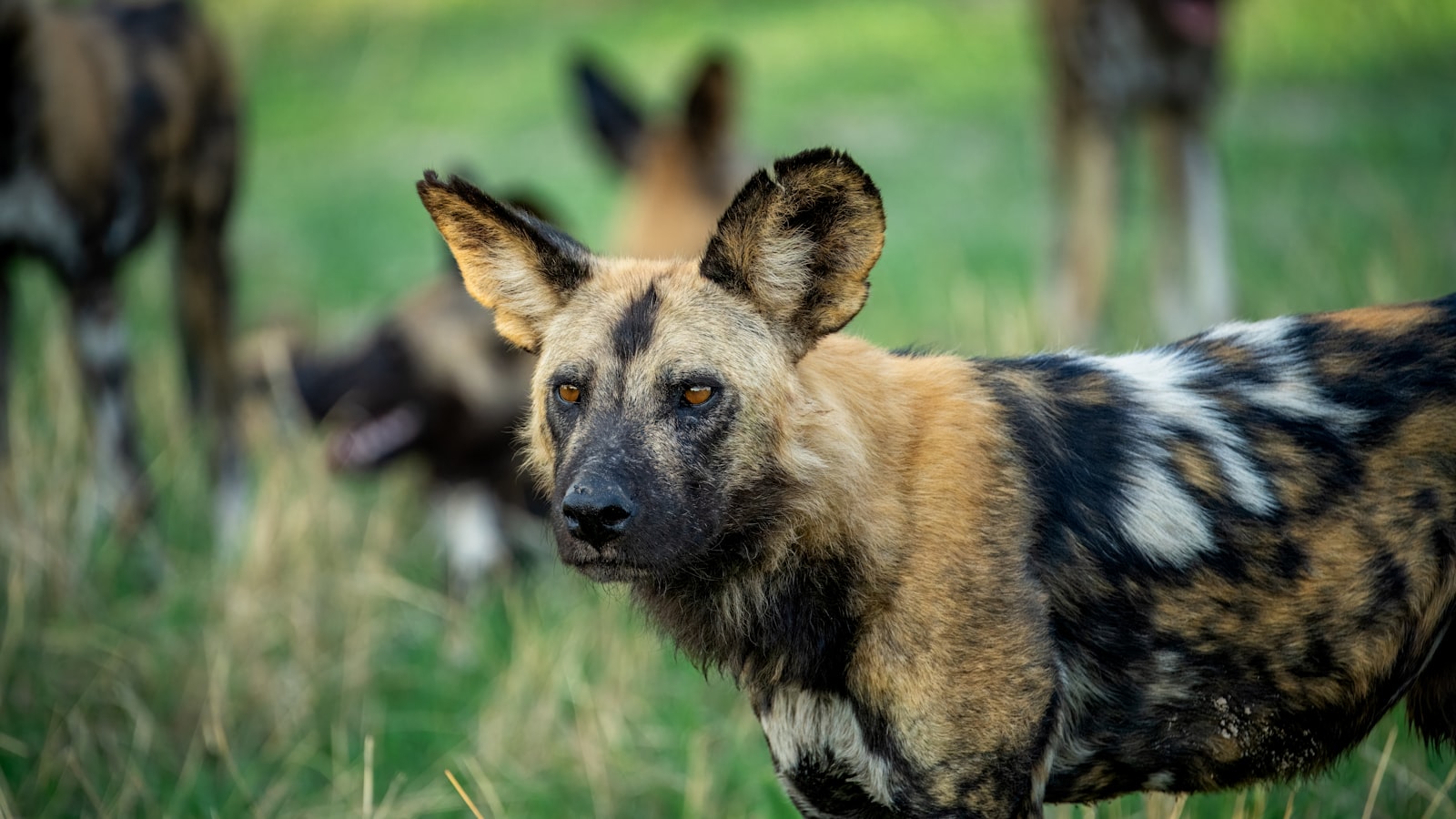
The reserve's signature species, however, is the African wild dog, also called the painted dog. This endangered predator is notoriously hard to find across much of its range, but Madikwe has long been one of the best places in Africa to see it. Several packs roam the reserve, and rangers track them closely, so sightings of a pack on the move or at a den are a realistic highlight of a multi-day stay.
Beyond the headline predators, expect giraffe, zebra, wildebeest, kudu, hyena and well over 350 recorded bird species. The variety means even guests who tick off the Big Five early have plenty of reason to keep heading out on drives.
How a Madikwe safari works: lodges, drives and no self-drive
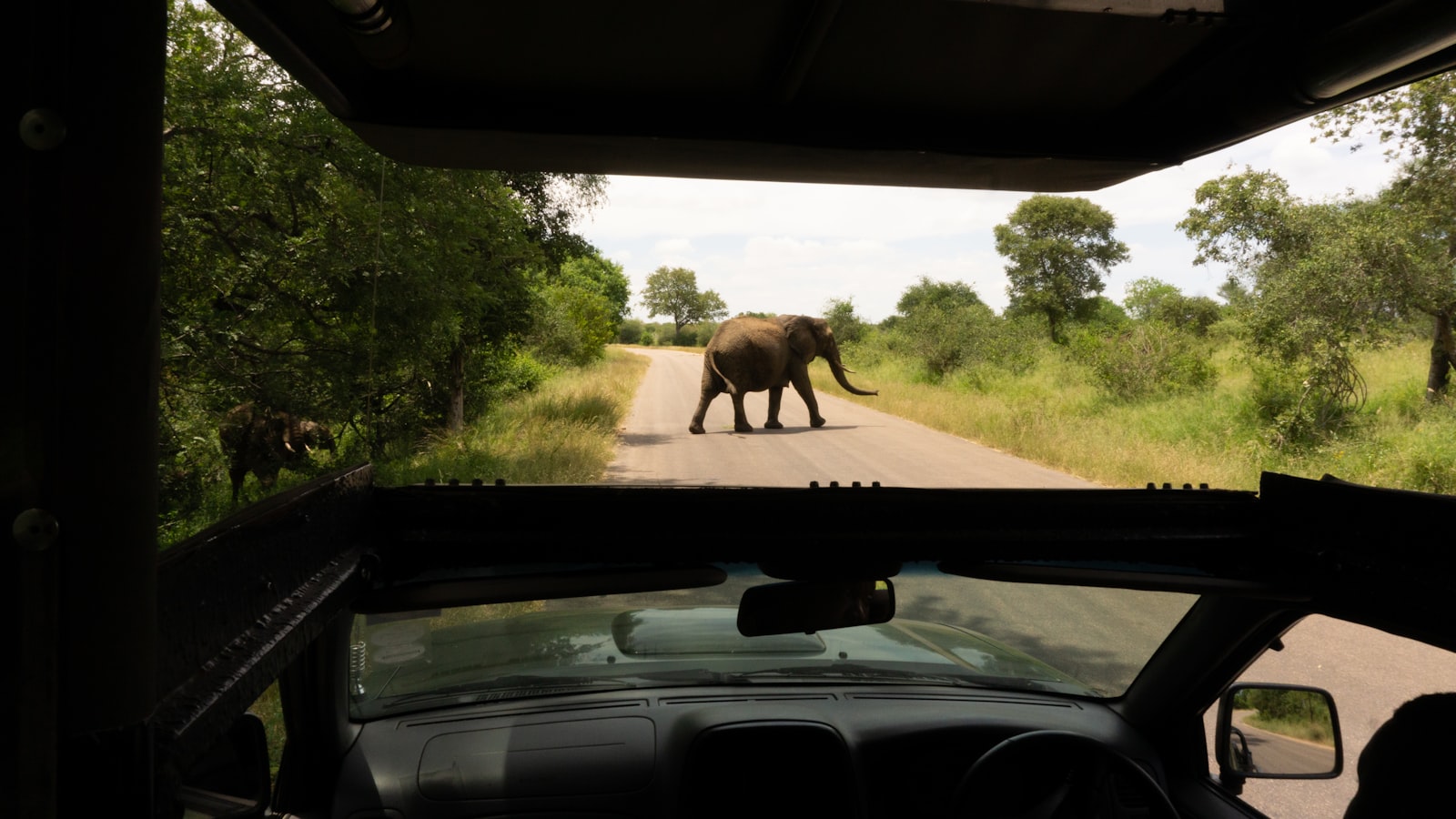
Madikwe is a lodge-only reserve. There are no day visitors and no self-drive game viewing, which keeps vehicle numbers low and the experience exclusive. To visit, you book a stay at one of the reserve's lodges, and all game viewing is done on guided drives run by that lodge.
A typical day follows a steady rhythm built around the cooler hours when animals are most active. Guests usually rise early for a morning drive, return for brunch and a midday rest, then head out again for an afternoon and evening drive that continues after dark with a spotlight, allowing sightings of nocturnal species such as leopard, hyena and aardwolf.
Drives are led by experienced rangers, often working with a tracker, in open 4x4 vehicles with the freedom to drive off-road to sightings. Some lodges also offer guided bush walks for a closer, slower look at tracks, plants and smaller creatures.
- Twice-daily guided game drives in open 4x4 vehicles, including a night drive
- Expert rangers and trackers, with off-road access to sightings
- No self-drive and no day visitors, keeping the reserve quiet
- Optional guided bush walks at many lodges
- Strong odds on wild dog and cheetah alongside the Big Five
Best time to visit Madikwe
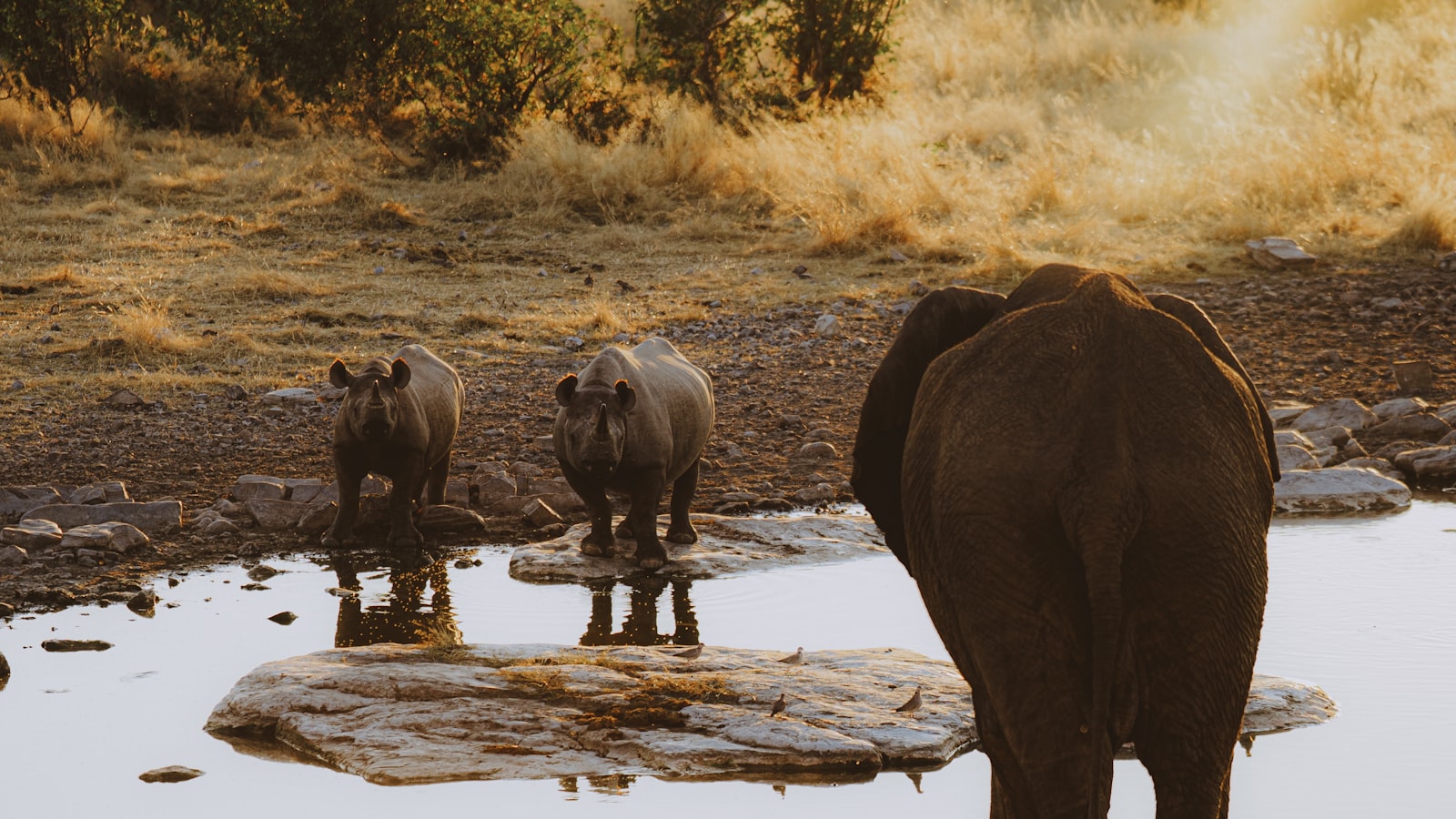
Photo by Mathias Dargnat on Unsplash
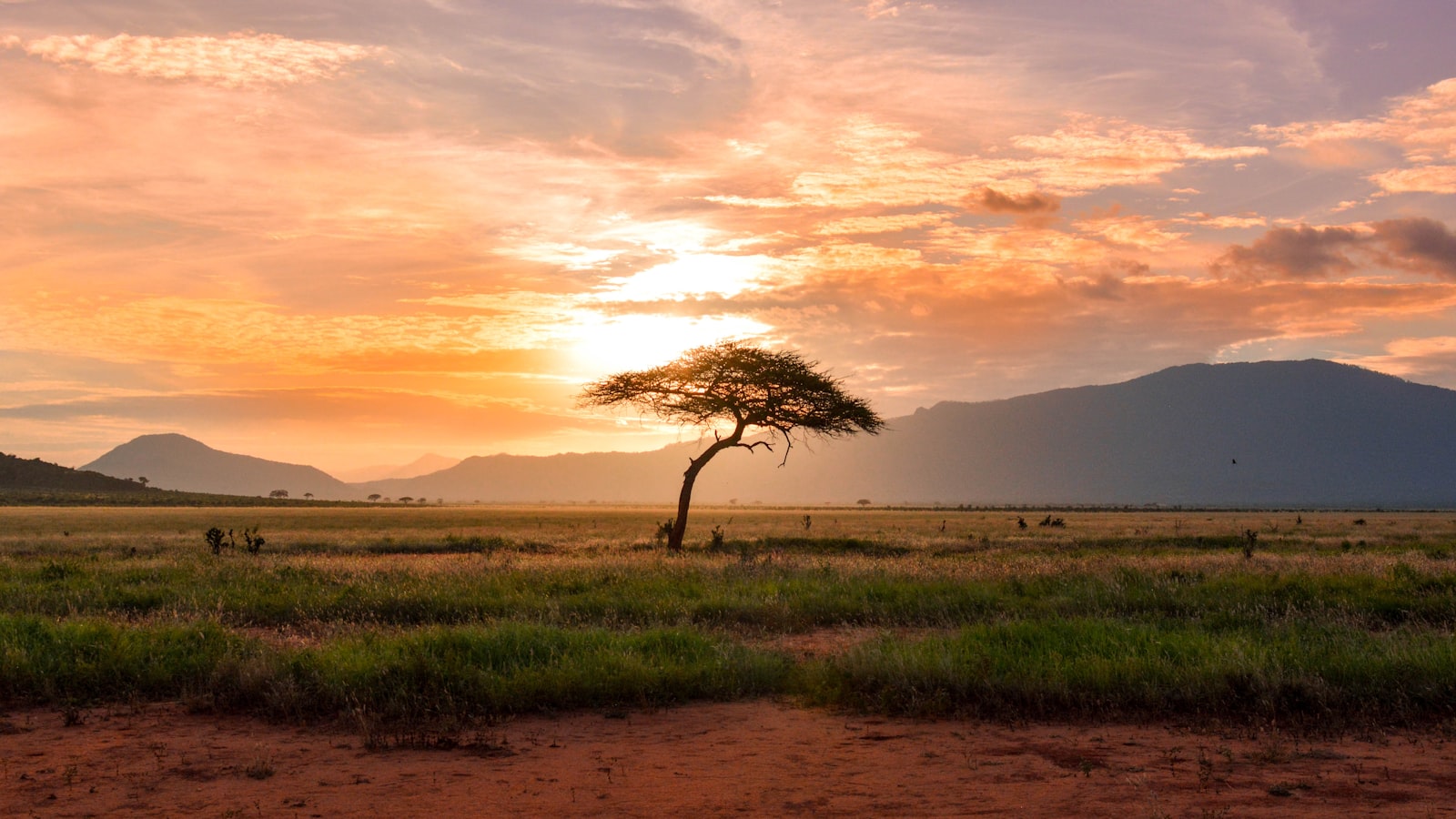
Madikwe is a year-round destination, but the experience changes with the seasons. The dry winter months from May to September are generally considered the best for game viewing. The bush thins, vegetation dies back and animals concentrate around waterholes, making predators and the Big Five easier to spot. Mornings can be genuinely cold, so warm layers for open vehicles are essential.
The green summer season, roughly October to April, brings lush scenery, dramatic afternoon thunderstorms and hot days. This is the time for newborn antelope, migrant birds and photogenic landscapes, though the thicker bush can make animals harder to see. Rates and availability are often more flexible outside the peak winter window.
For first-timers chasing guaranteed sightings, aim for the winter dry season; for keen photographers and birders, the summer months reward patience with colour and abundance.
Getting to Madikwe from Johannesburg
Access is one of Madikwe's biggest practical advantages, alongside being malaria-free. The reserve lies roughly 3.5 to 4 hours by road from Johannesburg or Pretoria, on mostly good tarred roads, which makes a self-drive transfer straightforward and a strong option for families travelling with luggage and children.
For those who prefer to fly, scheduled and charter flights operate from Johannesburg's Lanseria and OR Tambo airports to airstrips within or beside the reserve, cutting the journey to well under an hour in the air. Most lodges arrange road or air transfers and will collect guests from the relevant gate or airstrip.
This easy access from South Africa's main international hub means Madikwe works well as a short add-on to a Cape Town trip or as a malaria-free finale to a wider southern Africa itinerary.
What does a Madikwe safari cost?
Madikwe lodges are almost always all-inclusive, with rates covering accommodation, all meals, and two guided game drives per day, plus most drinks at many properties. This makes budgeting simpler than it first appears, as the headline rate covers the core safari experience rather than just a bed.
Prices span a wide range. More affordable, family-friendly lodges typically sit in the region of roughly 200 to 400 US dollars per person per night, while mid-range properties run higher, and the most luxurious lodges can reach 700 to 1,000 US dollars per person per night or more in peak season. Rates vary considerably by lodge, season and occupancy, so treat these as broad guidance rather than fixed figures.
Because the reserve has so many lodges across different tiers, Madikwe offers genuine value for a Big Five, malaria-free safari, particularly for families who can use child rates and family units.
- Family-value lodges: roughly USD 200-400 per person per night, all-inclusive
- Mid-range lodges: typically higher, with more space and service
- Luxury lodges: roughly USD 700-1,000+ per person per night in peak season
- Rates usually include meals and twice-daily game drives
Frequently Asked Questions
- Is Madikwe Game Reserve really malaria-free?
- Yes. Madikwe sits in South Africa's North West province, well outside the country's malaria-risk areas, which are concentrated in the low-lying north-east. Thanks to its altitude, drier climate and location, there is no malaria risk at any time of year, so no prophylaxis is required. This makes it a popular choice for families with young children and older travellers.
- Can I see the Big Five at Madikwe?
- Yes. Madikwe is home to all of the Big Five: lion, leopard, elephant, buffalo and both white and black rhino. Elephant and lion are seen regularly, and the open terrain gives good odds on leopard and rhino too. The reserve is also one of the best places in Africa to see endangered African wild dog and cheetah.
- How far is Madikwe from Johannesburg?
- Madikwe is roughly 3.5 to 4 hours by road from Johannesburg or Pretoria on mostly good tarred roads, making a self-drive transfer practical. Alternatively, charter and scheduled flights from Lanseria or OR Tambo reach airstrips at the reserve in well under an hour. Most lodges arrange transfers from the gate or airstrip.
- Is Madikwe good for a family safari?
- Madikwe is one of South Africa's top family safari choices. Being malaria-free removes a major concern for children, many lodges offer family units and child-friendly programmes, and the short road transfer from Johannesburg avoids long internal flights. Always check individual lodge age policies, as some restrict young children on game drives.
- Can I self-drive in Madikwe?
- No. Madikwe is a lodge-only reserve with no day visitors and no self-drive game viewing. All wildlife viewing is done on guided open-vehicle drives run by the lodge where you stay. This keeps vehicle numbers low, protects the wilderness feel and means guests benefit from expert rangers and trackers throughout their stay.
- When is the best time to visit Madikwe?
- The dry winter months from May to September offer the best game viewing, as thinning bush and water-dependent animals make wildlife easier to spot. Summer, October to April, is lush and hot, good for birds, newborn animals and photography, though sightings can be harder. Mornings in winter are cold, so pack warm layers.
- How much does a Madikwe safari cost?
- Lodges are typically all-inclusive, covering accommodation, meals and twice-daily game drives. Family-value lodges start in the region of USD 200-400 per person per night, while luxury lodges can reach USD 700-1,000 or more in peak season. Rates vary by lodge, season and occupancy, so use these as broad guidance only.