
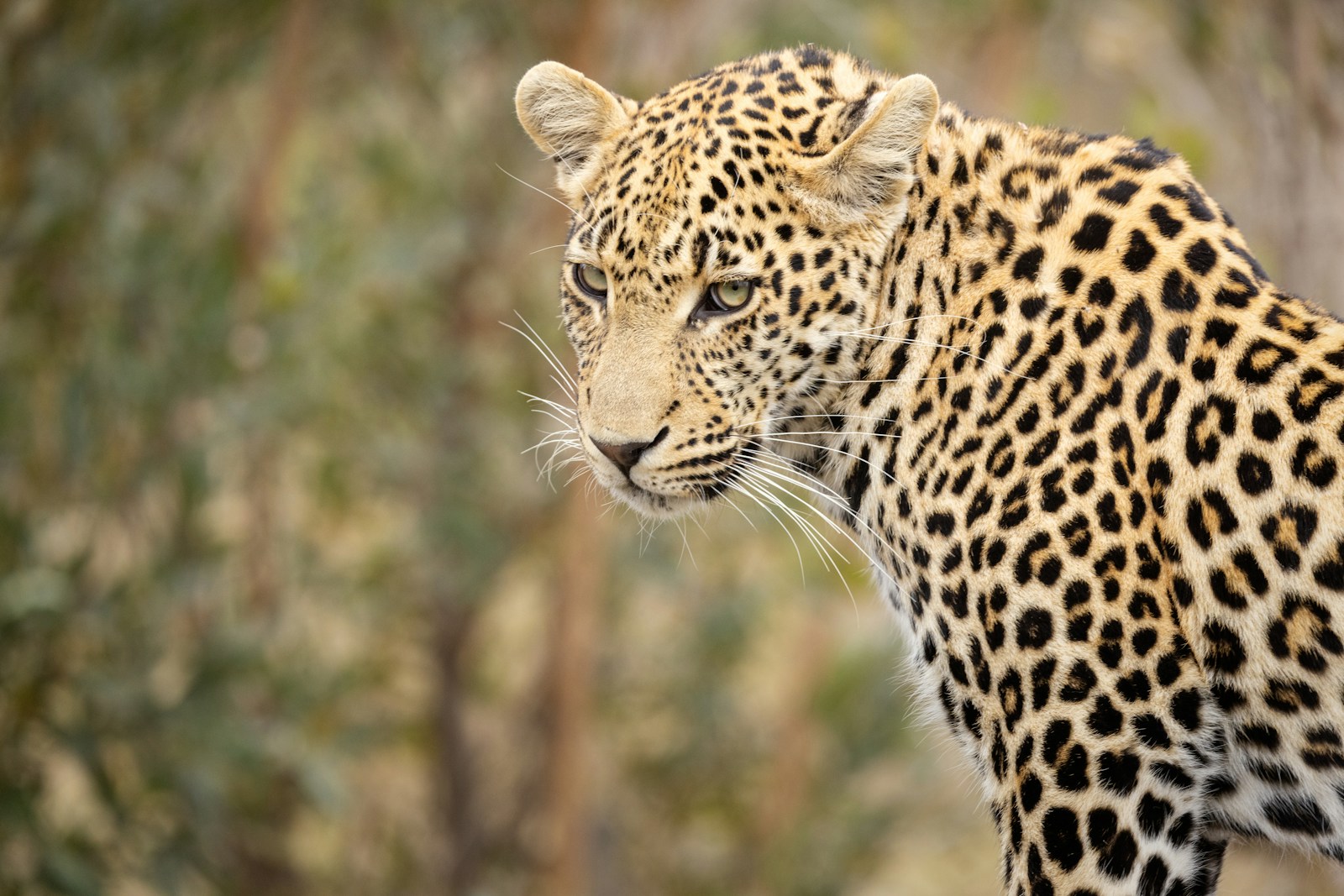
Kruger National Park
Nearly two million hectares of savanna, riverine forest, and granite kopjes, and one of the most accessible places on Earth to see the Big Five in a single morning. Kruger is the safari that introduced the world to South Africa.
South Africa's Big Five Heartland
Photo by Ian Mackey on Unsplash
About Kruger National Park
Kruger National Park is one of the largest and most established game reserves in Africa. Stretching from the Crocodile River in the south to the Limpopo in the north, a distance of nearly 350 kilometres, it covers an area roughly the size of Wales and protects every iconic species of southern African wildlife: lion, leopard, elephant, buffalo, rhino, cheetah, wild dog, and over 500 species of bird.
What makes Kruger remarkable is not just the wildlife but the access. Unlike most great African parks, Kruger has a network of tarred roads, well-marked self-drive routes, fuel stations, shops, and a range of accommodation from public rest camps to ultra-luxury private concessions. A first-time safari traveller can land in Johannesburg, drive five hours, and be looking at elephants by sunset, all without booking a single guide. That accessibility has made it the entry point for millions of safari-goers, but the park is large enough that it never feels overrun.
For depth, the private reserves on Kruger's western boundary, Sabi Sand, Timbavati, Manyeleti, Klaserie, Thornybush, are unfenced from the main park and offer a different experience entirely: small lodges, expert guides, off-road driving, night drives, and some of the best leopard sightings in Africa. A classic Kruger trip combines a few self-drive days in the public park with two or three nights at a private camp, and it consistently delivers more wildlife per day than almost anywhere on the continent.
Things to Do in Kruger National Park
Self-drive the public park
Kruger is one of the few parks in Africa where self-driving is genuinely viable. Tarred main roads and well-maintained dirt loops connect the rest camps, and the southern section (around Skukuza, Lower Sabie, and Crocodile Bridge) consistently delivers the highest game density.
Stay at a private concession on the western border
Sabi Sand, Timbavati, and the other private reserves bordering Kruger are unfenced from the main park and offer the gold-standard safari experience: open vehicles, expert guides, off-road tracking, and walking and night drives that the public park doesn't permit.
Bush walks with an armed guide
Several of Kruger's rest camps and most private camps offer guided walking safaris. There is no substitute for tracking elephant or rhino on foot, it changes how you see the bush forever.
Sunset and night drives
Available from public rest camps and most private lodges. Night drives reveal a completely different cast of animals, civet, genet, porcupine, hyena, and the better chance of seeing leopards on the move.
Visit Skukuza or Lower Sabie
Even committed bush travellers benefit from spending a night or two at one of Kruger's main rest camps. Skukuza in particular has a museum, a reasonable restaurant, and easy access to some of the park's best game-viewing roads.
Combine with the Panorama Route
On the way in or out, the Panorama Route through the Mpumalanga escarpment delivers one of South Africa's most scenic drives, Blyde River Canyon, God's Window, and the Three Rondavels. A perfect 1-2 day add-on to a Kruger trip.
When to Visit Kruger National Park
Dry Season
May, September
Cool, dry, and the best time for game viewing. Vegetation thins out, animals concentrate around remaining water sources, and the bush is open enough to spot predators. Days are warm, mornings are cold, pack layers for game drives.
Shoulder
October, November
The first rains arrive, the bush greens up, and migratory birds return. Game viewing is still excellent and the crowds are thinner than peak winter. A great time for value and variety.
Green Season
December, March
Hot, humid, and lush. The bush thickens and game viewing requires more patience, but the landscape is dramatic, the prices drop, and impala calving season brings predator action. Malaria risk is highest now.
Late Dry
April
The transition month. Rains have ended, the bush is still green, and animals are starting to concentrate again. Often the best balance of weather, scenery, and game viewing in the year.
Getting to Kruger National Park
Kruger has multiple entry points and three airports. Most international visitors fly into Johannesburg's OR Tambo International, then either rent a car for the 4-5 hour drive to the southern gates or take a domestic flight to Skukuza Airport (SZK), Hoedspruit (HDS), or Kruger Mpumalanga (MQP) near Nelspruit. Self-drive from Johannesburg via the Panorama Route is one of the most rewarding road trips in the country. Park entry fees are paid at the gate (around R460 per international adult per day in 2026).
Where to Stay
Kruger has the widest range of accommodation of any African safari destination. Inside the public park, SANParks operates 12 main rest camps with everything from camping pitches to family bungalows, affordable, reliable, and self-catered. The private concessions on the western boundary host some of Africa's most celebrated lodges (Singita, Londolozi, MalaMala, Royal Malewane), with all-inclusive rates from $800 to $3,500 per person per night. A common combination is 2-3 nights in a public rest camp followed by 2-3 nights in a private concession.
Travel Tips for Kruger National Park
Frequently Asked Questions
- Is Kruger good for a first-time safari?
- Yes, arguably the best in Africa. The accessibility, infrastructure, and concentration of wildlife make it the ideal entry point. You can self-drive on a tight budget or splurge on a luxury private camp; both deliver real safari experiences.
- Self-drive or guided safari?
- Both, ideally. Self-driving in the public park is rewarding and affordable. Spending a few nights at a guided private camp adds depth, off-road tracking, walking safaris, and the kind of leopard and lion sightings that take years of bush experience to find.
- How many days do I need in Kruger?
- Three to five nights minimum. Less than three and you're rushing; more than five and you start to want variety. A classic Kruger itinerary spends two nights self-driving and two-three nights at a private camp, ideally split between the south and the central or northern regions.
- Sabi Sand or main Kruger?
- If you can afford one night in Sabi Sand, take it, the off-road driving and leopard sightings are unmatched. If budget is tight, the main public park delivers excellent game viewing for a fraction of the cost. The two together is the ideal trip.
Explore More, Kruger National Park
Things To Do
Plan Your Trip
More in South Africa
Cape Town
Wedged between Table Mountain and two oceans, Cape Town is one of the most beautifully sited cities on Earth, and one of the most rewarding …
The Garden Route
A 300-kilometre coastal drive between Mossel Bay and Storms River, threading through ancient forests, lagoons, surfing beaches, and dramatic…
Cape Winelands
Three hundred years of winemaking, set against jagged mountains and Cape Dutch farmsteads an hour from Cape Town. Stellenbosch, Franschhoek,…
Madikwe Game Reserve
An 80,000-hectare malaria-free Big Five reserve on the Botswana border, restored from depleted farmland by Operation Phoenix, one of history…
Eastern Cape Reserves
South Africa's malaria-free safari circuit anchored on Addo Elephant National Park and the surrounding private reserves (Shamwari, Kwandwe, …
KwaZulu-Natal & the Drakensberg
South Africa's most geographically diverse province, Hluhluwe-iMfolozi (the world's oldest reserve, where the southern white rhino was saved…
Johannesburg
South Africa's economic engine and the most underestimated city on a typical southern Africa itinerary. The Apartheid Museum, Soweto's Vilak…
Sun City & Pilanesberg
Three hours from Johannesburg, Sun City, Africa's most elaborate purpose-built entertainment resort, sits beside Pilanesberg National Park, …
Panorama Route & Mpumalanga
The dramatic escarpment drive north of Kruger, the third-largest canyon on earth (Blyde River, the world's largest green canyon), Bourke's L…