
Cape Town
Wedged between Table Mountain and two oceans, Cape Town is one of the most beautifully sited cities on Earth, and one of the most rewarding to spend a week in. Beaches, vineyards, history, food, and a national park within the city limits.
The Mother City
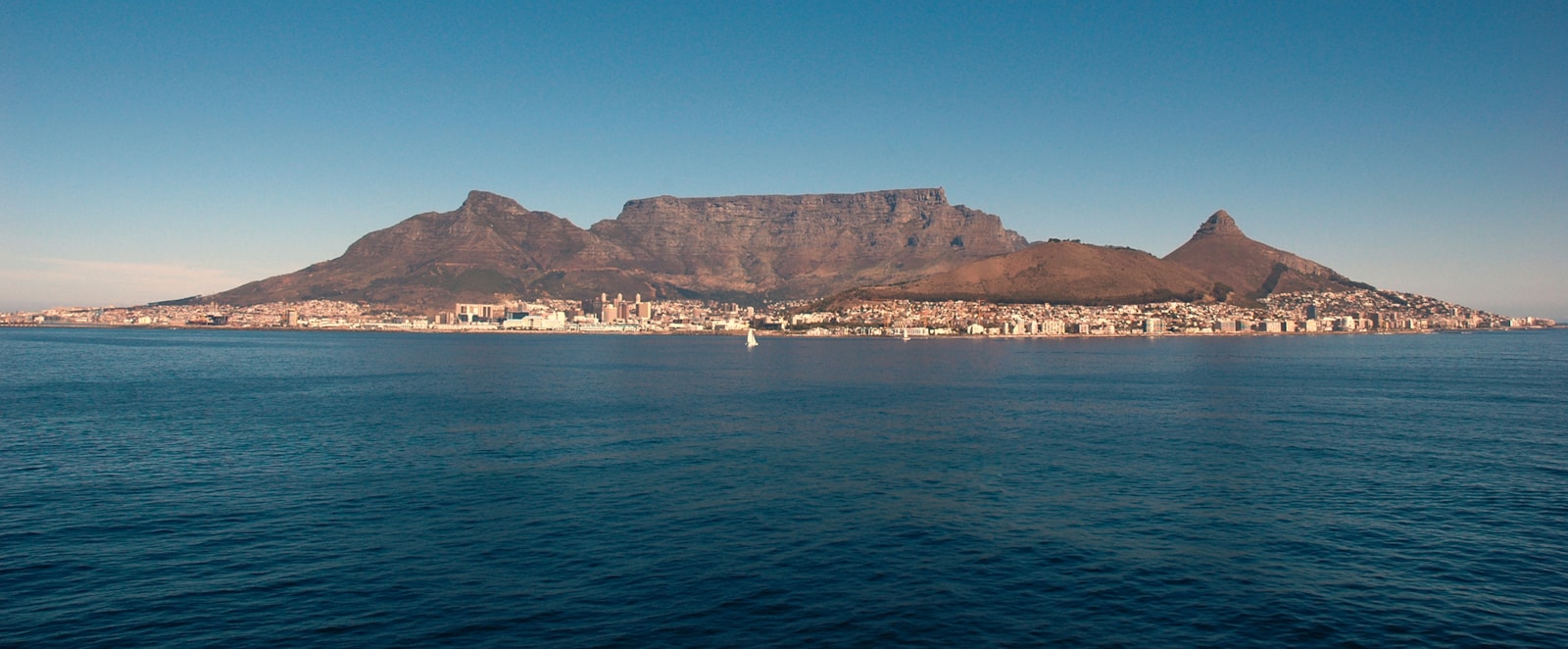
Photo by Roberto Huczek on Unsplash
About Cape Town
Cape Town is the kind of city that makes you reconsider how to spend a week. The geography alone is staggering, a flat-topped mountain rising 1,000 metres straight out of the city, the cold Atlantic on one side and the warmer False Bay on the other, and a peninsula of beaches, fishing villages, and protected reserve stretching south for 50 kilometres. You can summit Table Mountain in the morning, swim with penguins at lunch, and sit down to dinner in a converted 18th-century warehouse on the V&A Waterfront, and that is just one day of a longer stay.
The city's history is layered and unflinching. Cape Town was the first European foothold in southern Africa, founded by the Dutch East India Company in 1652, and it has been shaped, and scarred, by every chapter of South African history since. Robben Island, where Nelson Mandela spent 18 of his 27 years in prison, sits in plain view from the waterfront. The Bo-Kaap, with its painted houses and Cape Malay community, remains one of the city's most distinctive neighbourhoods. The District Six Museum tells the story of forced removals during apartheid in the voices of the people who lived through them. Any honest visit to Cape Town engages with both the beauty and the history.
What makes Cape Town special as a travel destination is how much it packs into a small geography. Within an hour of the city centre you can be hiking in fynbos, surfing in Muizenberg, tasting wine in Constantia, eating lunch at one of the world's best restaurants, or watching whales breach in False Bay. The food scene is genuinely world-class. The wine scene is the country's best. And the sheer accessibility of the natural beauty, Table Mountain National Park runs right through the city, means you can have a wild experience and a sophisticated one on the same day.
Things to Do in Cape Town
Hike or ride the cable car up Table Mountain
The most iconic experience in the city. The cable car is fast and easy; the Platteklip Gorge hike takes 2-3 hours and is a serious workout. The view from the top, Robben Island, the Twelve Apostles, the city sprawling toward the peninsula, is one of the great urban panoramas on Earth.
Visit Robben Island and the Mandela cell
A 30-minute ferry from the V&A Waterfront takes you to the island where Nelson Mandela was imprisoned for 18 years. Tours are led by former political prisoners. Book days in advance, the boats sell out and weather can cancel sailings.
Drive the Cape Peninsula to Cape Point
One of the world's great coastal drives. Through Camps Bay, around Chapman's Peak, past Hout Bay, the penguins at Boulders Beach, and out to the lighthouse at Cape Point. Allow a full day. The road from Hout Bay to Noordhoek is sometimes closed for weather, check before you set out.
Eat your way through the city
Cape Town has one of the best restaurant scenes in the southern hemisphere. The Test Kitchen alumni, FYN, La Colombe, Wolfgat down the coast, and at the casual end, Mzoli's in Gugulethu, the Old Biscuit Mill on Saturday morning, and the seafood at Kalk Bay harbour. Book the headline restaurants well in advance.
Explore the Bo-Kaap and District Six
The Bo-Kaap is the historic Cape Malay quarter, narrow cobbled streets, painted houses, and one of the city's oldest Muslim communities. The District Six Museum tells the story of the apartheid-era forced removals that destroyed a thriving multi-racial neighbourhood. Both are essential context for understanding the city.
Day trip to the Constantia or Stellenbosch wineries
Constantia, inside the city limits, is the oldest wine region in South Africa and has half a dozen excellent estates within 20 minutes of the centre. Stellenbosch, an hour east, is the heart of the Cape Winelands, a longer trip but the depth of choice is unmatched.
When to Visit Cape Town
Summer
December, February
Hot, sunny, and busy. Beach weather, long daylight hours, festivals, and the city at its most vibrant. December and January are peak season, prices are high and popular restaurants book out weeks ahead.
Autumn
March, May
The best month for many travellers. The weather is still warm, the wind eases, the harvest is in at the wineries, and the crowds thin. Days are long enough for hiking and short enough for early sunset drinks.
Winter
June, August
Cool, wet, and dramatic. Storms roll in off the Atlantic and Table Mountain is often hidden in cloud. But this is whale season in False Bay, the wineries are quiet, and the city has a different, moodier character. Hotel prices drop sharply.
Spring
September, November
The transition season. Wildflowers bloom in the West Coast, southern right whales are still calving, and the weather warms steadily through November. A wonderful time for road trips out of the city.
Getting to Cape Town
Cape Town International Airport (CPT) is one of Africa's best-connected airports, with direct flights from Europe, the Middle East, and most major African hubs. The airport is 20 minutes from the city centre by taxi or Uber. Most South African road trips also pass through Cape Town, the N1 runs north to Johannesburg, the N2 runs east along the Garden Route. South Africa drives on the left and self-drive is excellent here. International licences are valid.
Where to Stay
Cape Town has accommodation for every budget and style. The V&A Waterfront is convenient for first-timers but feels touristy; the City Bowl (Gardens, Tamboerskloof) and Bo-Kaap put you within walking distance of restaurants and the mountain. Camps Bay and Sea Point are beachy and trendy. Constantia is leafy and quiet, near the wineries. For longer stays, Airbnbs in Tamboerskloof or De Waterkant offer good value. Five-star options range from the Mount Nelson, the Cape Grace, and One&Only Cape Town to design-led boutique hotels in the City Bowl.
Travel Tips for Cape Town
Frequently Asked Questions
- How many days do I need in Cape Town?
- Five to seven nights at a minimum if you want to do the city, the peninsula, the wineries, and a Robben Island visit without rushing. Many travellers stay longer and combine it with a road trip up the Garden Route or out to the West Coast.
- Is Cape Town safe?
- For visitors who stick to the well-trafficked tourist areas and use common sense, yes. South Africa has high crime rates overall, but the parts of Cape Town most travellers visit are well-policed and used to international visitors. The main risks are opportunistic theft and car break-ins. Use Uber, lock your car, don't walk alone late at night, and you'll be fine.
- When is the best time to visit Cape Town?
- October to April for sunshine, beaches, and outdoor dining. May to September for whale watching, wine season, lower prices, and a moodier, quieter version of the city. The shoulder months, March-April and October-November, are arguably the sweet spot.
- Can I see whales in Cape Town?
- Yes, June to November is southern right whale season in False Bay and along the Cape Peninsula. Hermanus, an hour and a half east, is the world's best land-based whale watching town. Boat trips are also available from the V&A Waterfront and Simon's Town.
Explore More, Cape Town
Things To Do
Plan Your Trip
Guides
More in South Africa
Kruger National Park
Nearly two million hectares of savanna, riverine forest, and granite kopjes, and one of the most accessible places on Earth to see the Big F…
The Garden Route
A 300-kilometre coastal drive between Mossel Bay and Storms River, threading through ancient forests, lagoons, surfing beaches, and dramatic…
Cape Winelands
Three hundred years of winemaking, set against jagged mountains and Cape Dutch farmsteads an hour from Cape Town. Stellenbosch, Franschhoek,…
Madikwe Game Reserve
An 80,000-hectare malaria-free Big Five reserve on the Botswana border, restored from depleted farmland by Operation Phoenix, one of history…
Eastern Cape Reserves
South Africa's malaria-free safari circuit anchored on Addo Elephant National Park and the surrounding private reserves (Shamwari, Kwandwe, …
KwaZulu-Natal & the Drakensberg
South Africa's most geographically diverse province, Hluhluwe-iMfolozi (the world's oldest reserve, where the southern white rhino was saved…
Johannesburg
South Africa's economic engine and the most underestimated city on a typical southern Africa itinerary. The Apartheid Museum, Soweto's Vilak…
Sun City & Pilanesberg
Three hours from Johannesburg, Sun City, Africa's most elaborate purpose-built entertainment resort, sits beside Pilanesberg National Park, …
Panorama Route & Mpumalanga
The dramatic escarpment drive north of Kruger, the third-largest canyon on earth (Blyde River, the world's largest green canyon), Bourke's L…