A day-by-day self-drive guide to South Africa's Garden Route, from Mossel Bay through Wilderness, Knysna and Plettenberg Bay to the forests of Tsitsikamma, with timing and detours.
- Route
- N2 highway, Mossel Bay to Storms River
- Length
- Roughly 200km of coast; 5-7 days
- Start point
- 4-4.5 hours' drive from Cape Town
- Best time
- Nov-Mar for summer; Jun-Nov for whales
- Vehicle
- Standard hire car; drive on the left
- Big Five
- Not a safari route; bolt on Eastern Cape reserves
The Garden Route is a roughly 200km stretch of South Africa's southern coast, running along the N2 highway from Mossel Bay in the Western Cape east to the Storms River and the Tsitsikamma area on the edge of the Eastern Cape. It takes its name from the lush, forested coastline, where indigenous woodland, lagoons and beaches sit between the Outeniqua mountains and the Indian Ocean.
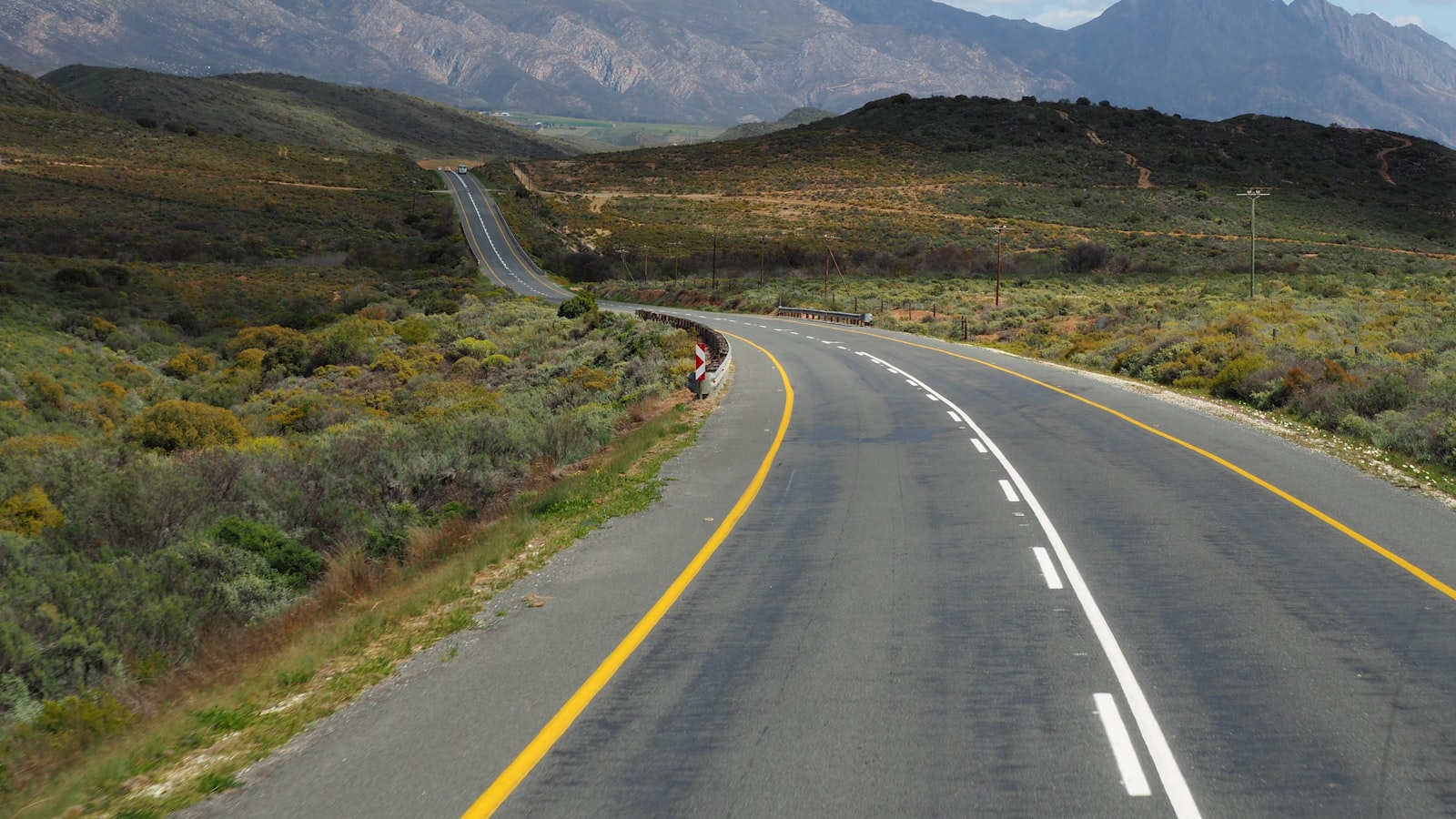
It is one of the easiest road trips in Africa to do independently. A normal hire car handles the whole route, the N2 is good tarred road, and the distances between stops are short, so you spend more time walking forest trails and watching whales than sitting behind the wheel.
This itinerary covers about five to seven days, ideally driven from Cape Town. Below you will find a day-by-day breakdown, the key stops, worthwhile inland detours and advice on when to go.
Getting there: Cape Town to Mossel Bay
Most travellers begin in Cape Town, where the major international airport and the largest choice of hire cars are. From the city it is roughly a 4 to 4.5 hour drive east on the N2 to Mossel Bay, the official western gateway to the Garden Route. The road crosses the Hottentots Holland mountains and the wheat fields of the Overberg before reaching the coast.
If you have an extra day, the inland Route 62 makes a slower, scenic alternative for part of the journey, winding through the Klein Karoo wine country before rejoining the coast. Either way, aim to arrive in Mossel Bay by early afternoon so you have time to settle in.
Pick up your hire car the day before you leave so you are not negotiating Cape Town traffic on a tight schedule. Remember that South Africa drives on the left.
Day 1-2: Mossel Bay and Wilderness
Mossel Bay is a working harbour town with a relaxed seaside feel and the warmest sea temperatures on this coast. It is a good place to shake off the drive with a beach walk and an early night. The Bartolomeu Dias museum complex, built around a replica caravel, tells the story of the first European landings here in the late fifteenth century.
From Mossel Bay it is a short hop east to Wilderness, a village set among lakes, rivers and a long lagoon backed by forested hills. This is gentle, green country made for slow mornings. The Wilderness section of the Garden Route National Park has several easy walking trails, the best known being the Half-Collared Kingfisher Trail, which follows the Touw River to a waterfall.
- Walk the beach and harbour at Mossel Bay
- Visit the Bartolomeu Dias Museum Complex
- Drive the short coastal road to Wilderness
- Hike the Kingfisher Trail along the Touw River
- Hire a canoe on the Wilderness lagoon
Day 3-4: Knysna, the lagoon and the Heads
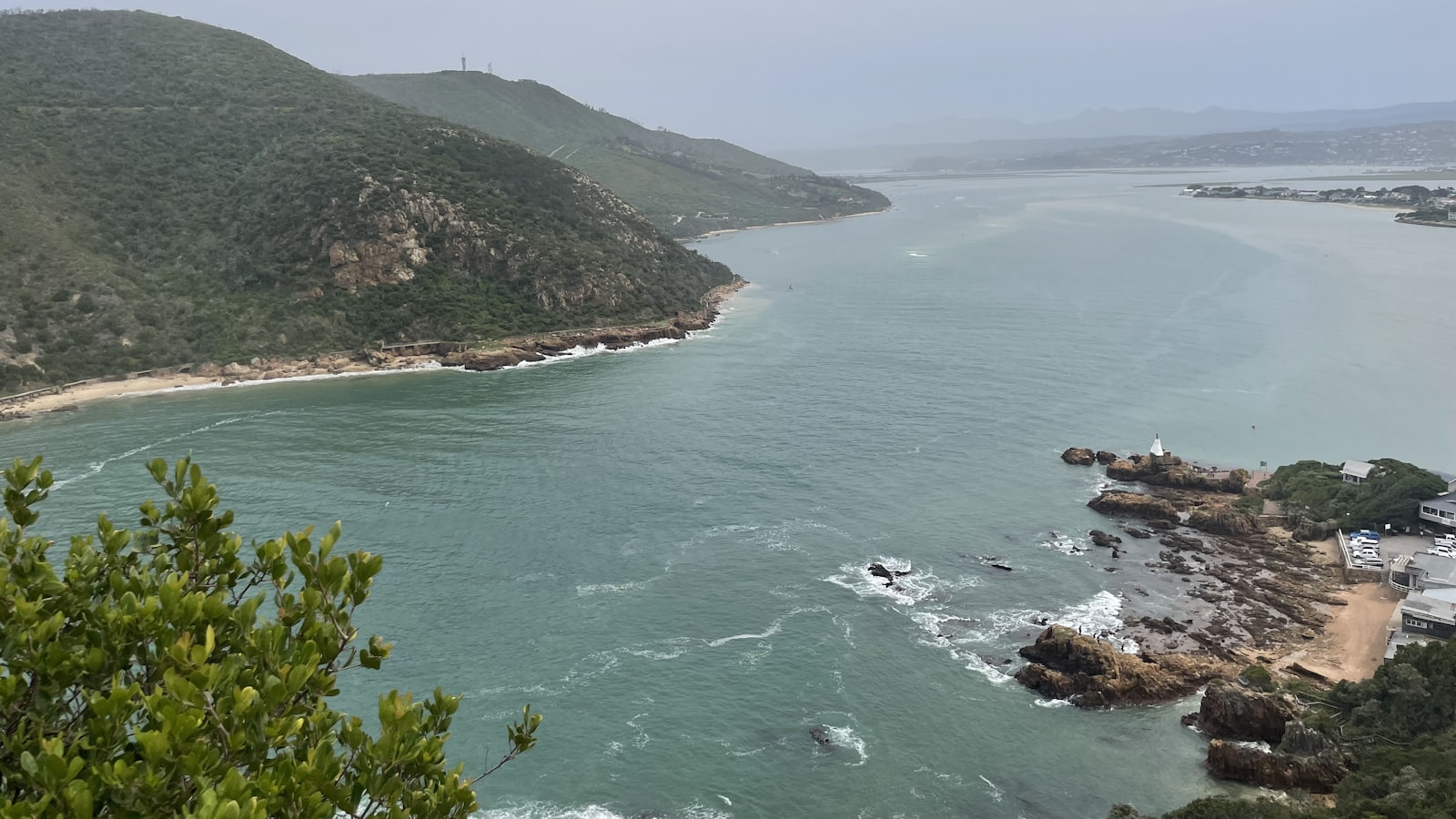
Photo by Malvin M Angel on Unsplash
Knysna is the best-known town on the Garden Route and a natural place to base yourself for a couple of nights. It sits on a large tidal lagoon that opens to the sea through two dramatic sandstone cliffs known as the Heads. A drive out to the Eastern Head gives sweeping views over the lagoon mouth, while boat trips and houseboats let you explore the water itself.
The town is famous for its oysters, both wild and farmed, and the waterfront has plenty of restaurants where you can eat them fresh. The annual Knysna Oyster Festival in July is a busy fixture if your timing matches.
Knysna is also the gateway to the indigenous Knysna forest, home to ferns, yellowwood trees and the few remaining wild forest elephants. Several elephant sanctuaries nearby let you walk with and learn about resident elephants, a worthwhile half-day for families.
Day 5: Plettenberg Bay and Robberg
A short 30km drive east brings you to Plettenberg Bay, an upmarket resort town with some of the finest beaches on the route. The wide arc of sand at Central Beach and the calmer Robberg Beach are both excellent for swimming in summer.
The headland on the edge of town is the Robberg Nature Reserve, a rugged peninsula with a network of marked trails. The full circuit is about 9km and takes roughly four hours, passing a Cape fur seal colony, sea caves and clifftop viewpoints. Shorter loops are available if you are pressed for time.
Plettenberg Bay is also one of the best spots on the coast for marine wildlife. Boat-based trips run year-round to see dolphins and, in season, whales, and the bay is a calving ground for southern right whales between roughly June and November.
- Swim at Central Beach or Robberg Beach
- Hike a loop in Robberg Nature Reserve
- Take a whale or dolphin watching boat trip
- Visit a wildlife sanctuary on the town's edge
Day 6-7: Tsitsikamma and Storms River
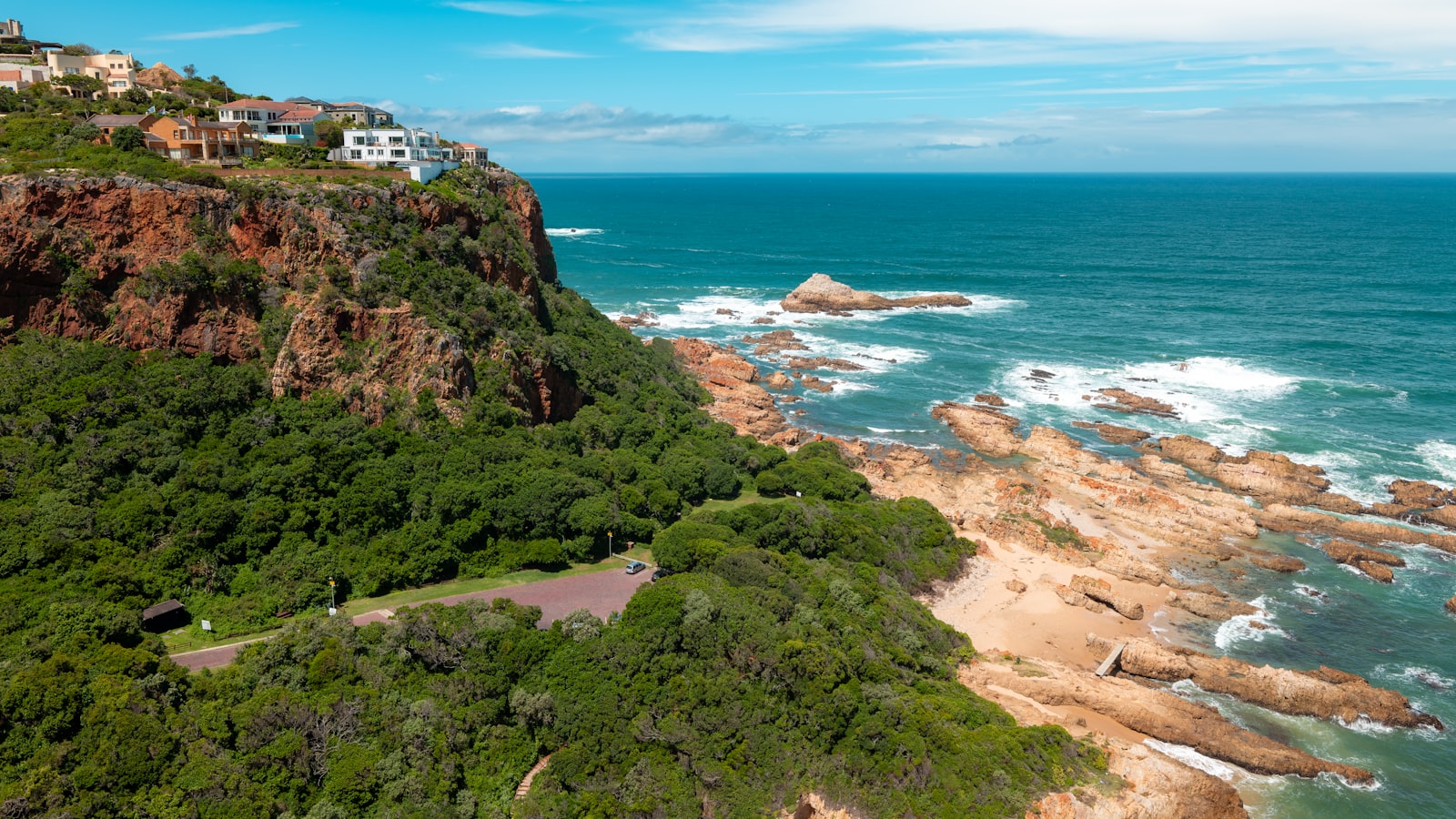
Photo by Matthias Wesselmann on Unsplash
The eastern end of the route is its wildest. The Tsitsikamma section of the Garden Route National Park protects a strip of ancient indigenous forest and a rocky coast where rivers tumble into the sea. The signature walk is the short trail from the Storms River Mouth rest camp to a pair of suspension bridges slung across the river gorge, a 30 to 45 minute return walk that is the highlight for many visitors.
Tsitsikamma is also the start of the famous Otter Trail, a five-day coastal hike that must be booked many months in advance. For most self-drivers, the day walks and the boardwalks around the rest camp are plenty.
Just inland, the Bloukrans Bridge spans a deep ravine on the N2. At around 216m it hosts one of the world's highest commercial bridge bungee jumps, and even non-jumpers can walk out under the bridge or watch from the viewpoint. This makes a memorable final stop before the route ends at the Storms River area on the Eastern Cape border.
Worthwhile detours: Oudtshoorn and a safari add-on
If you have spare days, two detours stand out. The first is inland to Oudtshoorn in the Klein Karoo, reached over the scenic Outeniqua Pass or via Route 62. Oudtshoorn is the ostrich-farming capital of the country and the base for visiting the Cango Caves, a vast and well-lit limestone cavern system that runs guided tours throughout the day.
The second is a safari bolt-on at the eastern end. The Garden Route is not a Big Five route, but the malaria-free Eastern Cape around Addo Elephant National Park lies a couple of hours beyond Storms River. Several private game reserves there let you add a one or two-night safari, seeing elephant, rhino, lion and buffalo, before flying home from Port Elizabeth (Gqeberha).
- Tour the Cango Caves near Oudtshoorn
- Visit an ostrich farm in the Klein Karoo
- Drive the Outeniqua Pass or Route 62 inland
- Add a safari at a malaria-free Eastern Cape reserve
When to go and practical tips
The Garden Route is a year-round drive, but the seasons offer different things. The South African summer, roughly November to March, is warm and the best time for beaches and swimming, though it is also the busiest and accommodation books up. Winter, from June to August, is cooler and greener, with a chance of rain on this coast, but it is prime time for whale watching, as southern right whales gather offshore between June and November.
Book accommodation well ahead for peak summer and the December holidays, when South African families fill the coast. Outside those windows you can be more spontaneous. A standard hire car is all you need, the N2 is good tarred road throughout, and fuel stops are frequent.
Drive on the left, keep your passport and licence handy for occasional roadblocks, and avoid driving long stretches after dark on rural roads. With those basics covered, the Garden Route is one of the most relaxed self-drive trips on the continent.
Frequently Asked Questions
- How many days do you need for the Garden Route?
- Five to seven days is ideal. Five lets you hit the main stops at Mossel Bay, Knysna, Plettenberg Bay and Tsitsikamma without rushing. Seven gives time for detours such as Oudtshoorn and the Cango Caves, longer hikes, or a safari add-on at the eastern end.
- Can you drive the Garden Route in a normal car?
- Yes. The route follows the N2, a good tarred national highway, and a standard hire car handles it easily. You do not need a 4x4 unless you plan to leave the main roads for rough gravel tracks. Just remember South Africa drives on the left.
- Where does the Garden Route start and end?
- It runs along the south coast from Mossel Bay in the Western Cape, the usual western gateway, east to the Storms River and Tsitsikamma area on the edge of the Eastern Cape. The whole stretch is roughly 200km along the N2 highway.
- Is the Garden Route a safari destination?
- Not really. It is a scenic coastal and forest route rather than a Big Five area. However, the malaria-free Eastern Cape around Addo Elephant National Park lies just beyond the eastern end, where several private reserves let you add a one or two-night safari.
- When is the best time to visit the Garden Route?
- It is a year-round drive. The summer months of November to March are warm and best for beaches but busiest. June to November is the season for southern right whale watching. Winter is cooler and greener with some rain, but quieter and cheaper.
- How far is the Garden Route from Cape Town?
- Mossel Bay, the start of the route, is roughly a 4 to 4.5 hour drive east of Cape Town along the N2. Most travellers fly into Cape Town, hire a car there and drive, then fly home from George or Port Elizabeth at the eastern end.