
The Garden Route
A 300-kilometre coastal drive between Mossel Bay and Storms River, threading through ancient forests, lagoons, surfing beaches, and dramatic cliffs. The Garden Route is the road trip that defines South Africa for many visitors.
South Africa's Most Famous Road Trip
Photo by Juan Smith on Unsplash
About The Garden Route
The Garden Route is not really one place, it's a chain of small towns, national parks, beaches, and forests stretched along the southern Cape coast between Mossel Bay and the Storms River bridge. The N2 highway runs the whole length, and the typical itinerary is a leisurely 4-7 day drive in either direction, picking up activities and overnight stops along the way. It is the easiest, most accessible road trip in South Africa and one of the most rewarding in the world.
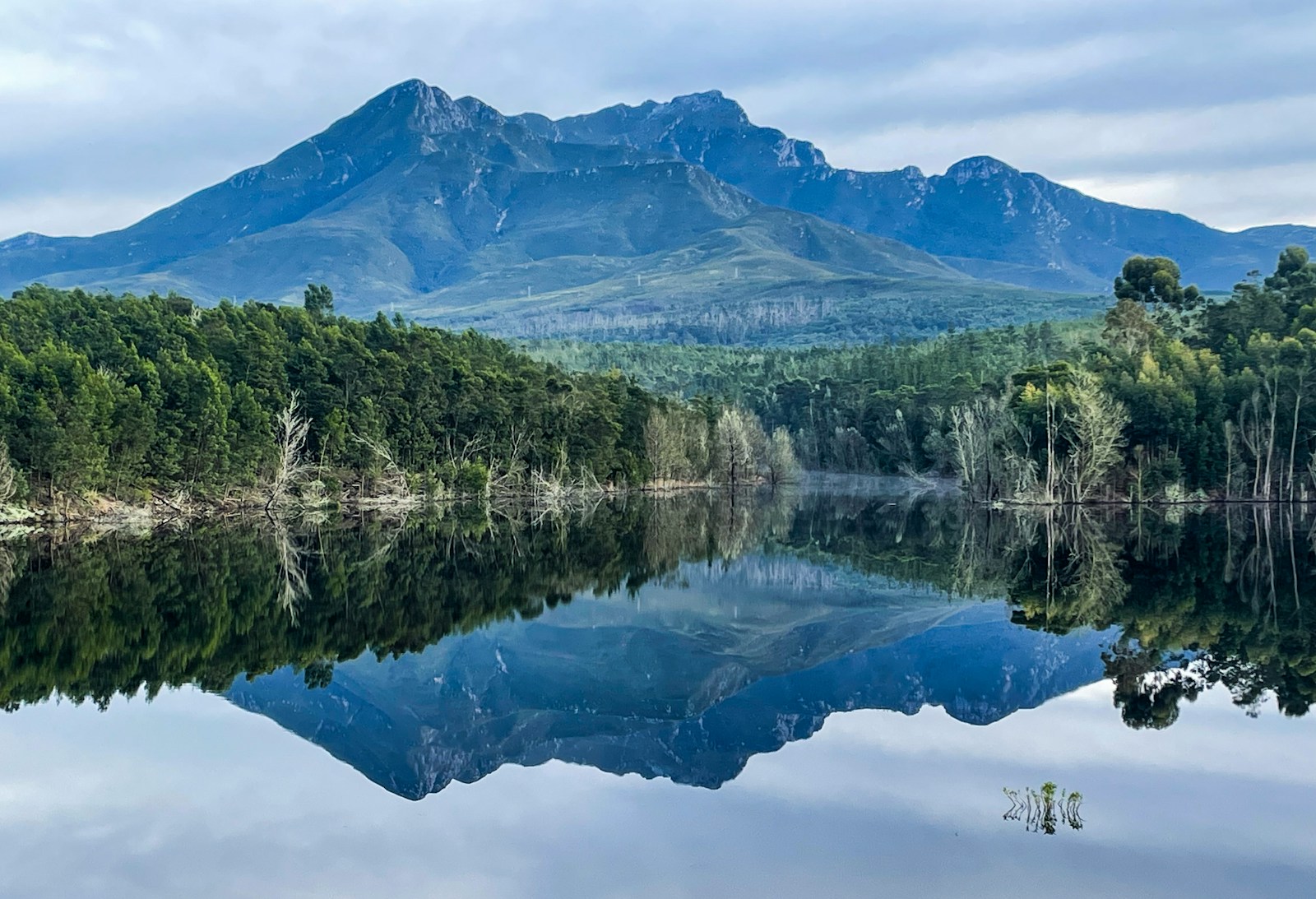
The coastline is the headline. Long stretches of empty beach, dramatic cliffs at the Storms River mouth, lagoons and estuaries at Knysna and Wilderness, and the sweeping crescent of Plettenberg Bay. Inland, ancient indigenous forest blankets the Tsitsikamma, some of the last patches of yellowwood and stinkwood forest that once covered the entire region, and the Outeniqua and Tsitsikamma mountains rise abruptly behind the coast. The combination of forest, mountain, and ocean within a few hundred metres makes for some of the most varied scenery in southern Africa.
The towns along the route each have their own character. Mossel Bay is the western gateway, historic, working-class, and the start of the route. George is the regional hub. Wilderness is small and laid-back, built around its lagoons. Knysna is the largest and most touristed, famous for its oysters and the heads guarding its lagoon. Plettenberg Bay is upscale and beachy. Nature's Valley, hidden in the forest, is the quiet alternative. And Storms River Village, at the eastern end, is the access point for the Tsitsikamma National Park and the famous suspension bridge over the Storms River mouth. None of them is a destination on its own, but strung together over a week, they make the Garden Route what it is.
Things to Do in The Garden Route
Walk the Tsitsikamma suspension bridge
The 77-metre suspension bridge over the mouth of the Storms River is the iconic Garden Route shot. It's a 30-minute walk from the parking lot at Storms River Mouth in Tsitsikamma National Park, and the cliffs and tidal pools around it are some of the most dramatic on the South African coast.
Eat oysters in Knysna
Knysna's oysters are the best in South Africa, farmed in the lagoon and served at restaurants all over town. The Knysna Oyster Festival in early July is one of the country's best food events.
Hike a section of the Otter Trail
The Otter Trail is South Africa's most famous multi-day hike, five days along the Tsitsikamma coast. The full trail books out a year ahead, but day-walks from Storms River and Nature's Valley let you sample sections of it without the commitment.
Bungee jump from the Bloukrans Bridge
At 216 metres, Bloukrans is the highest commercial bungee jump in the world. Sits on the boundary between the Western and Eastern Cape, just east of Storms River Village. Spectator viewing is free if you just want to watch.
Visit Birds of Eden and Monkeyland
Two of the largest free-flight enclosures of their kind in the world, just outside Plettenberg Bay. Both rescue and rehabilitate animals, birds at Birds of Eden, primates at Monkeyland, and walking through the forest aviaries is genuinely magical, especially with kids.
Surf or sandboard at Mossel Bay
Mossel Bay is the western anchor of the route and one of South Africa's better surf towns. Sandboarding on the dunes at Dragon Dune is a fun half-day activity. The town's Bartolomeu Dias Museum is also worth an hour for the maritime history.
When to Visit The Garden Route
Summer
December, February
Peak season. Warm, busy, and the best time for swimming and beach activities. Book accommodation well in advance, the route fills up with South African holidaymakers and international visitors at the same time.
Autumn
March, May
Often the best time. The crowds thin, the weather is still warm, and the inland mountains and forests look their best. A great time for hiking the Otter Trail or Tsitsikamma.
Winter
June, August
Cool and wet. The route is quiet, prices are at their lowest, and the moody weather suits the forest and coastal landscapes. Whale watching is excellent in Plettenberg Bay. Pack layers and rain gear.
Spring
September, November
Wildflowers in the inland reserves, southern right whales still in the bays, and warming weather. A lovely shoulder season for travellers who want everything except the peak crowds.
Getting to The Garden Route
The Garden Route is most often driven from Cape Town, a leisurely 4-7 day trip east along the N2 to Port Elizabeth (now Gqeberha) at the eastern end. It can also be driven westward from Port Elizabeth, which has a smaller airport with regular flights from Johannesburg. The full drive between Cape Town and Port Elizabeth is around 750 kilometres but rushing it defeats the purpose. Self-drive is the only sensible way to do the route, public transport is sparse and the joy of the trip is stopping when you want.
Where to Stay
Each town on the route has accommodation options. Wilderness and Nature's Valley are quieter and more characterful; Knysna and Plettenberg Bay are larger and busier with more variety. For a classic itinerary, plan two nights in Wilderness or Knysna, two in Plettenberg Bay or Nature's Valley, and one near Storms River. Boutique guesthouses, self-catering cottages, and camping all work well. The most memorable lodges are forest cabins in Tsitsikamma or beach houses on the Plett seafront.
Travel Tips for The Garden Route
Frequently Asked Questions
- How long does the Garden Route take?
- Four days minimum, seven days for a comfortable trip. Less than four feels like driving rather than travelling. More than seven is fine but most people then want to add Addo, the Karoo, or a return loop through the Klein Karoo.
- Cape Town to Port Elizabeth or the reverse?
- Either works. Most travellers start in Cape Town because flights are easier and finish in Port Elizabeth (Gqeberha) for a domestic connection. If you want to combine with Addo Elephant Park or the Eastern Cape reserves, ending in PE is the better plan.
- Is the Garden Route family-friendly?
- Yes, very. Short driving distances between towns, malaria-free, plenty of beaches, family-friendly accommodation, and activities like Birds of Eden, Monkeyland, and the Tsitsikamma walks that work for kids of all ages. It is one of the easiest African road trips for families.
- What about the section past Storms River?
- The Eastern Cape continues with Jeffreys Bay (one of the world's great surf towns), Port Elizabeth (Gqeberha), and Addo Elephant National Park. Adding 2-3 nights at Addo is the most common eastern extension and a great way to add a Big Five experience to a Garden Route trip.
Explore More, The Garden Route
Plan Your Trip
More in South Africa
Kruger National Park
Nearly two million hectares of savanna, riverine forest, and granite kopjes, and one of the most accessible places on Earth to see the Big F…
Cape Town
Wedged between Table Mountain and two oceans, Cape Town is one of the most beautifully sited cities on Earth, and one of the most rewarding …
Cape Winelands
Three hundred years of winemaking, set against jagged mountains and Cape Dutch farmsteads an hour from Cape Town. Stellenbosch, Franschhoek,…
Madikwe Game Reserve
An 80,000-hectare malaria-free Big Five reserve on the Botswana border, restored from depleted farmland by Operation Phoenix, one of history…
Eastern Cape Reserves
South Africa's malaria-free safari circuit anchored on Addo Elephant National Park and the surrounding private reserves (Shamwari, Kwandwe, …
KwaZulu-Natal & the Drakensberg
South Africa's most geographically diverse province, Hluhluwe-iMfolozi (the world's oldest reserve, where the southern white rhino was saved…
Johannesburg
South Africa's economic engine and the most underestimated city on a typical southern Africa itinerary. The Apartheid Museum, Soweto's Vilak…
Sun City & Pilanesberg
Three hours from Johannesburg, Sun City, Africa's most elaborate purpose-built entertainment resort, sits beside Pilanesberg National Park, …
Panorama Route & Mpumalanga
The dramatic escarpment drive north of Kruger, the third-largest canyon on earth (Blyde River, the world's largest green canyon), Bourke's L…