
Mana Pools National Park
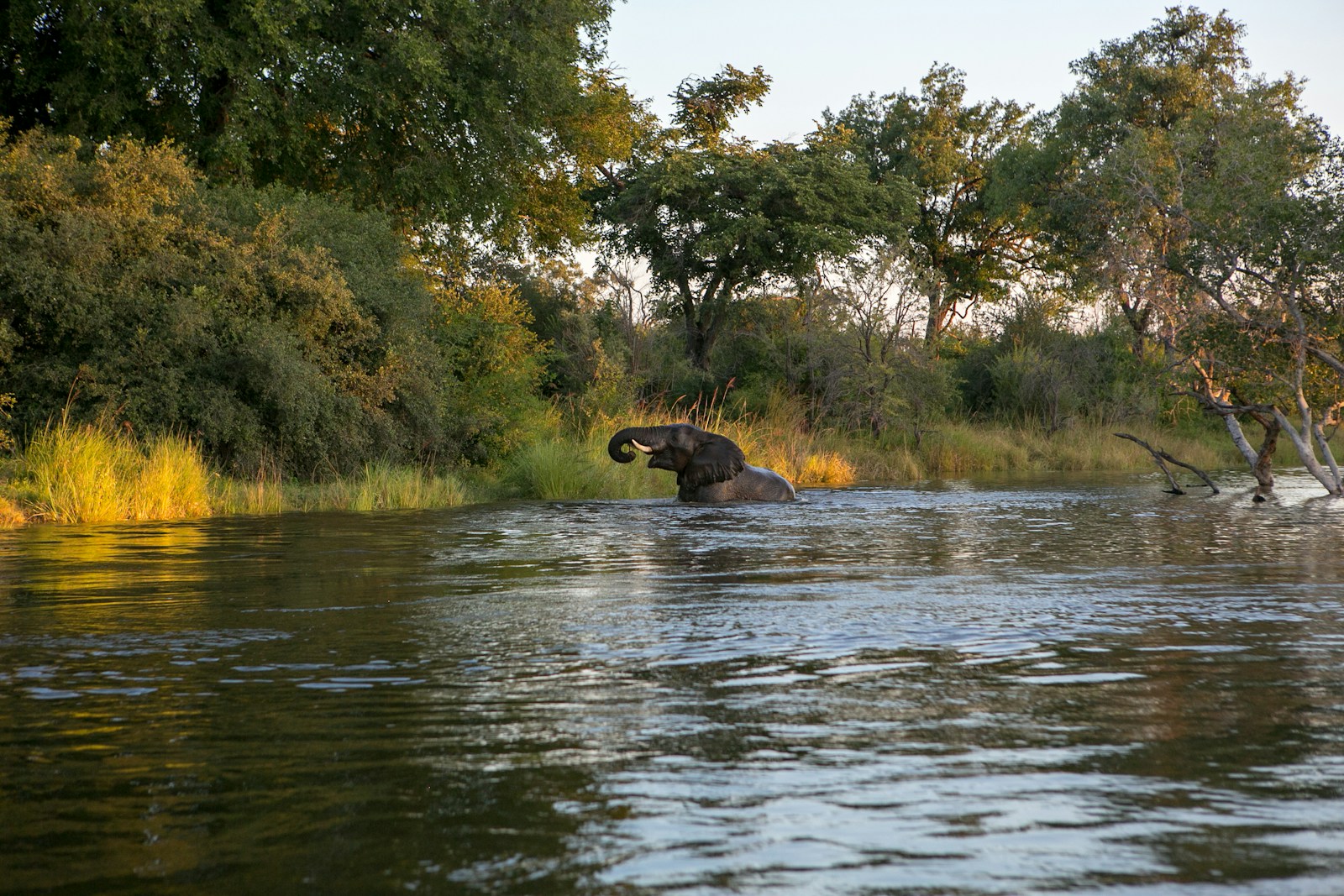
A UNESCO World Heritage Site on the Zambezi floodplain where elephants stand on their hind legs to reach acacia branches and walking safaris are the way the bush is meant to be seen. Mana Pools is the wildest park in Zimbabwe and one of the wildest in Africa.
Africa's Most Exclusive Walking Safari
Photo by Nicole Olwagen on Unsplash
About Mana Pools National Park
Mana Pools National Park sits along the southern bank of the Zambezi River, opposite the Lower Zambezi National Park in Zambia. Together the two parks form one of the largest unfenced wildernesses left in Africa. Mana, meaning 'four' in the local Shona language, after the four major pools left by the river as it shifts course over the centuries, was named a UNESCO World Heritage Site in 1984 in recognition of both its ecological value and the extraordinary concentration of wildlife it supports.
What makes Mana Pools special is the way you experience it. Unlike most national parks in Africa, Mana permits unguided walking, meaning experienced operators (and self-driving visitors with the right experience) can walk freely through the floodplain, tracking elephants and lion on foot in a way that is illegal almost everywhere else. The result is the most immersive walking safari experience on the continent. The most famous photographs from Mana, elephants standing on their hind legs to reach acacia branches, wild dogs hunting in golden afternoon light through the open winterthorn forests, are not staged. They happen because the park is wide open, the animals are habituated to walkers, and the light through the canopies is some of the most beautiful in Africa.
Mana Pools is harder to reach than other Zimbabwean parks, and that is part of what keeps it wild. The road in is long and rough; most visitors arrive by light aircraft. There are very few camps inside the park boundary, all small and intimate. The activity mix combines walking, vehicle game drives, canoe safaris on the Zambezi, and, for the more adventurous, multi-day mobile fly-camping safaris that move along the river on foot or by canoe. The result is a park that feels closer to the way East and Southern Africa felt fifty years ago: empty, dramatic, and uncompromising.
Things to Do in Mana Pools National Park
Walking safari with a top Zimbabwean guide
The Mana Pools signature. Half-day walks with an armed professional guide through the winterthorn forests and along the river. Tracking elephant on foot at Mana Pools is the closest most travellers will come to the way safari was practiced fifty years ago.
Track wild dogs in the Nyamatusi sector
Mana Pools has one of Africa's most-studied African wild dog populations, made famous by BBC's Dynasties series. Several camps specialise in tracking the resident packs and the experience of watching a hunt at golden hour through the open forests is unforgettable.
Canoe safari on the Zambezi
Multi-day canoe safaris run along the Mana Pools section of the Zambezi, with overnight stops at fly-camps on sandbanks in the river. The combination of walking by day, paddling between camps, and sleeping under the stars on the river is one of the most adventurous trips in Southern Africa.
Fly camp under the winterthorns
Several operators offer multi-night walking safaris that move between simple fly-camps in the bush, sleeping in lightweight tents, eating around the campfire, and walking between camps each day. The most authentic safari experience available in Africa.
Game drive along the floodplain
Standard vehicle game drives at dawn and dusk produce excellent sightings of elephant, buffalo, lion, leopard, eland, and the wild dogs. The floodplain road network is the only easy way to cover ground and complements walking nicely.
Combine with the Lower Zambezi
Mana Pools and the Lower Zambezi are opposite banks of the same river, and many operators offer combined itineraries that cross between Zimbabwe and Zambia using the KAZA UniVisa. Different camps, different activities, same ecosystem.
When to Visit Mana Pools National Park
Dry Season
July, October
The classic Mana window. The river shrinks back into its main channel, the floodplain dries out, and animals concentrate around the remaining pools. Walking safaris are at their most rewarding. October is the hottest and the most extreme.
Closed Season
November, April
Mana Pools closes almost completely from late November through April because the rains make the roads impassable and the floodplain inaccessible. A small handful of operators run boat-based green-season trips for serious birders and photographers.
Early Dry
May, June
Camps reopen, the roads dry out, and the floodplain begins to draw game. Cooler weather makes walking comfortable. An excellent shoulder window with most of the dry-season rewards and far fewer travellers.
Getting to Mana Pools National Park
Mana Pools is reached almost exclusively by light aircraft charter from either Harare (1 hour) or Victoria Falls (90 minutes), landing at airstrips at Sapi, Chitake, or near the main camp at Nyamepi. The drive in from Harare is technically possible but takes 6-7 hours on rough roads and is rarely undertaken by international visitors. Self-drivers must have a robust 4x4 and good bush experience. The park is closed to vehicles entirely during the rainy season (typically late November through April).
Where to Stay
Mana Pools has a small handful of high-end camps inside the park boundary, Nyamatusi, Kanga, Chikwenya, Vundu, Goliath, Wilderness Ruckomechi, all small (6-12 tents), all built on or near the river or floodplain. Camps in the Nyamatusi private concession typically combine the deepest exclusivity with the best walking and wild dog sightings. Public Zimparks campsites at Nyamepi are available for self-drive travellers with their own gear, but the experience is dramatically different. Three to four nights minimum.
Travel Tips for Mana Pools National Park
Frequently Asked Questions
- Is Mana Pools beginner-friendly?
- Not really. Mana Pools is best for travellers who already have at least one safari behind them and want a more immersive, walking-focused experience. First-time safari travellers will get more out of Hwange or Kruger and should save Mana for a return trip.
- Mana Pools or Lower Zambezi?
- They are the same ecosystem on opposite banks. Mana Pools is wilder, has better walking safaris, and is harder to reach. Lower Zambezi has more developed camps and better canoe safari operations. Many serious safari travellers do both, crossing between Zambia and Zimbabwe on the KAZA UniVisa.
- Is the wild dog filming actually accurate?
- Yes. The Dynasties episode and the photographs you see were filmed in the Nyamatusi area of Mana Pools, and the resident wild dog packs are monitored daily. Sightings are not guaranteed but Mana is one of the most reliable wild dog destinations in Africa.
- How many days do I need?
- Three to four nights minimum. The fly-in alone is half a day and the experience requires time to settle into the rhythm of walking and watching. Five to seven nights, ideally split between two camps, is the right length for a serious Mana visit.
Explore More, Mana Pools National Park
Things To Do
Plan Your Trip
More in Zimbabwe
Hwange National Park
Zimbabwe's largest national park and one of Africa's great elephant strongholds. Over 40,000 elephants roam Hwange's pump-fed waterholes alo…
Victoria Falls (Zimbabwe Side)
The Zimbabwe side of Victoria Falls offers the broadest panoramic views of all 1.7 kilometres of cascading water, across 16 viewpoints conne…
Great Zimbabwe
The largest stone structure in sub-Saharan Africa south of the pyramids. Built between the 11th and 15th centuries without mortar, Great Zim…
Matobo Hills
A UNESCO World Heritage landscape of impossibly balanced granite boulders, ancient San rock art, and one of the densest leopard populations …
Lake Kariba & Matusadona
An inland sea created by one of the world's largest dams, where elephants swim between islands and houseboats double as floating safari lodg…
Eastern Highlands
A 300-kilometre belt of cool, green mountain country running along Zimbabwe's border with Mozambique. Hiking, fly-fishing, endemic birds, an…
Gonarezhou National Park
Zimbabwe's most remote major wilderness, in the country's southeastern corner. Big-tusked elephants, the dramatic red sandstone Chilojo Clif…
Bulawayo
Zimbabwe's unhurried second city, founded on the site of the Ndebele royal kraal and gateway to the Matobo Hills. Wide colonial-era avenues,…
Harare
Zimbabwe's leafy capital and primary international entry point. The National Gallery's Shona stone sculpture collection, accessible rock art…