
Lamu Island & Archipelago
Kenya's UNESCO-listed Swahili Old Town — the oldest, best-preserved Swahili settlement in East Africa, dating to the 14th century. No motor vehicles, transport by donkey cart and dhow, and the architecture and daily life of an ancient maritime trading civilisation in inhabited form.
The Swahili Living Museum
About Lamu Island & Archipelago
Kenya's northern coast holds an island that operates by different rules. Lamu Old Town is a UNESCO World Heritage Site — the oldest, best-preserved Swahili settlement in East Africa, dating to the 14th century, where the architecture and daily life of an ancient maritime trading civilization remain intact. There are no cars. Transportation is by donkey cart in the alleys or dhow on the water. The rhythm of the island is governed by the Islamic call to prayer and the movement of the tides.
The settlement is a physical record of the Indian Ocean's most significant trading network: the Swahili coast, where Arab, Persian, Indian, and African cultures merged over centuries of maritime commerce. The carved wooden doors — hundreds of them, each unique — the internal courtyard architecture, the coral stone mansions, and the labyrinthine alleyways all preserve this synthesis in a living, inhabited form. The alleys of Lamu Old Town are not tourist infrastructure — they are the daily arteries of a living community. Walking them requires both curiosity and patience: the corridors narrow to shoulder width in places, the light changes as the coral stone walls open to sudden courtyards, and the carved doors represent centuries of accumulated craftsmanship.
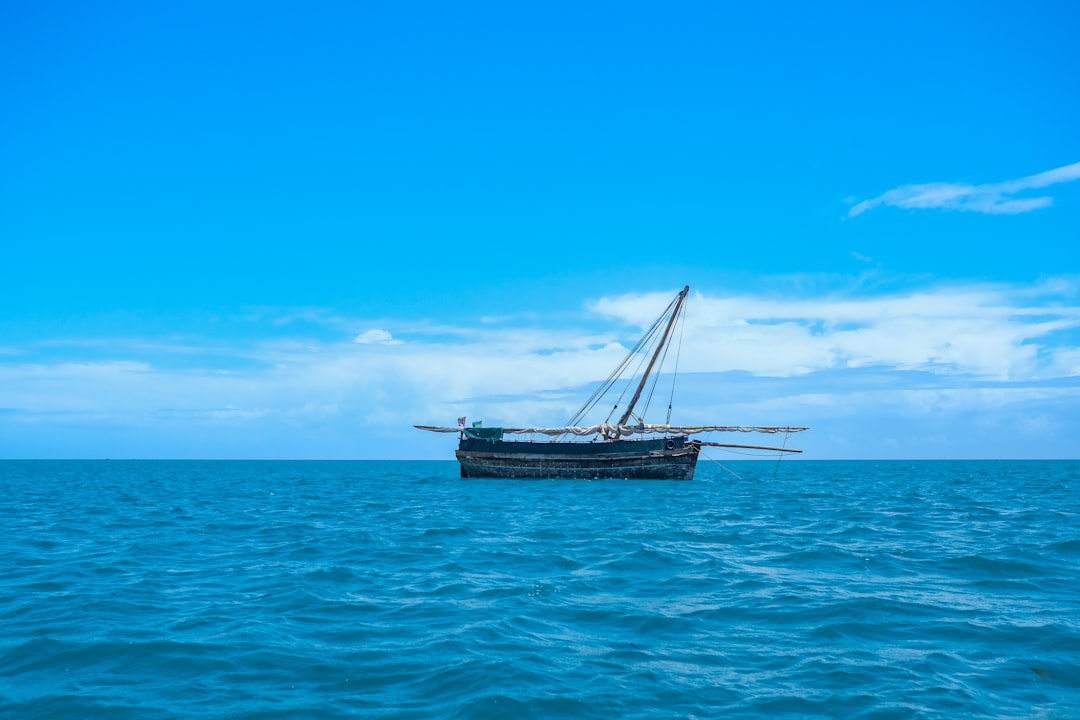
Beyond the Old Town, Shela Village backs onto 12 kilometres of pristine, uncrowded beach heavily favoured by long-term visitors and luxury travellers seeking complete isolation. Traditional wooden sailing dhows are the primary transport of the archipelago — both for cargo between the islands and for the sunset and fishing excursions that tourism has added. An afternoon dhow sail through the channels of the archipelago, as the sun drops toward the mainland and the dhow crew manages the rigging in a system unchanged for centuries, is Lamu at its most atmospheric. The annual Lamu Cultural Festival in November celebrates Swahili culture through dhow racing, taarab music, Swahili poetry, and exhibitions by local artisans including women woodcarvers. Lamu operates at a pace that arriving visitors initially find unsettling. Nothing moves quickly. By the second day, the island's pace becomes your pace. By the third, the absence of urgency feels like a gain rather than a loss.
Things to Do in Lamu Island & Archipelago
Walk Lamu Old Town with a local guide
The alleys, the carved doors, the courtyard houses, the markets, the Riyadha Mosque, the German Post Office museum. A local guide provides the architectural and historical context that transforms the walk from disorientation to comprehension. Allow a full morning.
Sail the archipelago by dhow
Afternoon dhow excursions through the channels between Lamu, Manda, and Pate islands. Sunset returns past the Old Town are exceptional. Most lodges arrange dhow trips; private charters offer more flexibility for swimming, fishing, and reaching specific beaches.
Stay at Shela Beach
Twelve kilometres of pristine beach adjacent to Shela village (20-minute boat or 40-minute beach walk from the Old Town). Luxury boutique properties, near-empty sand, and the calm water of the channel between Lamu and Manda. The favoured spot for long-term decompression.
Attend the Lamu Cultural Festival (November)
The annual festival celebrates Swahili culture through dhow racing, taarab music performances, Swahili poetry recitations, and exhibitions by local artisans. The festival draws participants from the archipelago and beyond; one of the most authentic cultural events on the East African coast.
Visit the Floating Bar
An innovative structure buoyed by pressurised plastic drums in the middle of the Indian Ocean — a bar and restaurant serving fresh seafood and traditional coastal biryani. The incongruity of the setting (floating restaurant, open ocean, no visible land in the immediate vicinity) is the experience.
Explore Manda and Pate islands
Manda Island holds the airstrip and the ruins of the Takwa Swahili settlement. Pate Island (further by boat) has Shanga and Faza — older, more isolated Swahili settlements with their own architectural heritage. Day trips by dhow from Lamu Old Town.
When to Visit Lamu Island & Archipelago
Hot Dry
December, March
Warm clear conditions; calm seas; ideal for dhow sailing and beach time at Shela. Daytime temperatures 28-32°C. Christmas-New Year is the peak demand window; book well ahead.
Cool Dry
July, October
Cooler weather; stronger breezes that suit sailing. The November Lamu Cultural Festival falls at the end of this window. Daytime temperatures 24-28°C. Strong for travellers combining the Mara migration with Lamu.
Short Rains
November
Cultural Festival period. Brief afternoon showers; otherwise comfortable. The festival programming (dhow racing, taarab music, poetry, exhibitions) is the headline. Book accommodation 3-6 months ahead during festival weeks.
Long Rains
April, May
Heavy rain; reduced sailing conditions; some operators close. Significant accommodation discounts. For specialist travellers wanting maximum solitude and value.
Getting to Lamu Island & Archipelago
By air from Wilson Airport in Nairobi to Manda Island Airstrip (90 minutes) — directly opposite Lamu Old Town across a narrow channel. Daily scheduled flights by Safarilink, Fly540, and Jambojet. Boat transfers from Manda Island to Lamu Old Town (10 minutes) or directly to Shela (20 minutes). By road from Mombasa: 340km on increasingly remote coastal roads, with security concerns on the final approach — flying is strongly recommended over road for almost all visitors. Strict 15kg soft-bag luggage limit on the regional aircraft.
Where to Stay
Luxury/boutique: Jua House (Shela — beautifully restored Swahili architecture, private pool, exceptional service), Peponi Hotel (Shela landmark), The Majlis (Shela boutique luxury), Kizingo Eco Lodge. Mid-range: various guesthouses in the Old Town and Shela village — restored Swahili houses with traditional furnishings, rooftop terraces, and the architectural authenticity that defines the island. Budget: budget guesthouses in the Old Town near the harbour; less common at Shela.
Travel Tips for Lamu Island & Archipelago
Frequently Asked Questions
- Is Lamu safe?
- The island itself is safe and tightly-knit. The Kenya-Somalia border area further north has been subject to travel advisories — Lamu Island itself is south of the advisory area. Flying in avoids the road approach. Standard precautions: respect local customs, avoid wandering at night in unfamiliar areas, do not enter mosques without permission.
- Old Town or Shela?
- Old Town is for cultural and architectural immersion; Shela is for beach and decompression. Many travellers split the stay — 2 nights in the Old Town for the cultural depth, then 2-3 nights at Shela for the beach. The 20-minute boat transfer between the two is part of the daily rhythm.
- Can I visit Lamu on a day trip?
- Technically yes but it misses the point. Lamu's value is in the pace — the recalibration that happens by the second and third day. A day trip cannot deliver this. Three to five nights is the appropriate minimum.
- When is the Lamu Cultural Festival?
- Typically late November — the exact dates vary year to year. Confirm with the Lamu tourism office or your accommodation. Festival weeks see complete accommodation saturation; book 3-6 months ahead. The festival is one of the most authentic cultural events on the East African coast.
Explore More, Lamu Island & Archipelago
Things To Do
Plan Your Trip
More in Kenya
Masai Mara & the Conservancies
Africa's most celebrated wildlife arena. The Great Wildebeest Migration, the Mara River crossings, and the Maasai community conservancies su…
Amboseli National Park
Kenya's iconic Kilimanjaro-backdrop elephant park. The world's most thoroughly studied elephant population, the Amboseli swamps fed by subte…
Tsavo East & West
21,000 square kilometres of semi-arid bush, volcanic terrain, and riverine ecosystem — the largest protected area in Kenya. Red elephants of…
Samburu National Reserve
Kenya's northern frontier — arid, volcanic, and harsh. The endemic Special Five (Grevy's zebra, Somali ostrich, reticulated giraffe, gerenuk…
Laikipia & Ol Pejeta
Kenya's exclusive conservation heartland on the Laikipia Plateau. The world's last two Northern White Rhinoceroses, East Africa's largest bl…
Mount Kenya
Africa's second-highest mountain at 5,199 metres — more technically varied and more genuinely wild than Kilimanjaro. The Sirimon, Chogoria, …
Nairobi
The only capital city on earth with a national park within its boundaries. The David Sheldrick Wildlife Trust elephant nursery, the Giraffe …
Diani Beach
Twenty-five kilometres of silver-white sand and turquoise Indian Ocean on Kenya's south coast. World-class kitesurfing, marine park diving, …
Rift Valley Lakes
Three distinct experiences within a few hours of each other in central Kenya — Lake Nakuru's rhino sanctuary and flamingos, Lake Naivasha's …