
Laikipia & Ol Pejeta
Kenya's exclusive conservation heartland on the Laikipia Plateau. The world's last two Northern White Rhinoceroses, East Africa's largest black rhino population at Ol Pejeta, and ultra-luxury private conservancies that define the future of African safari.
Conservation at the Highest Level
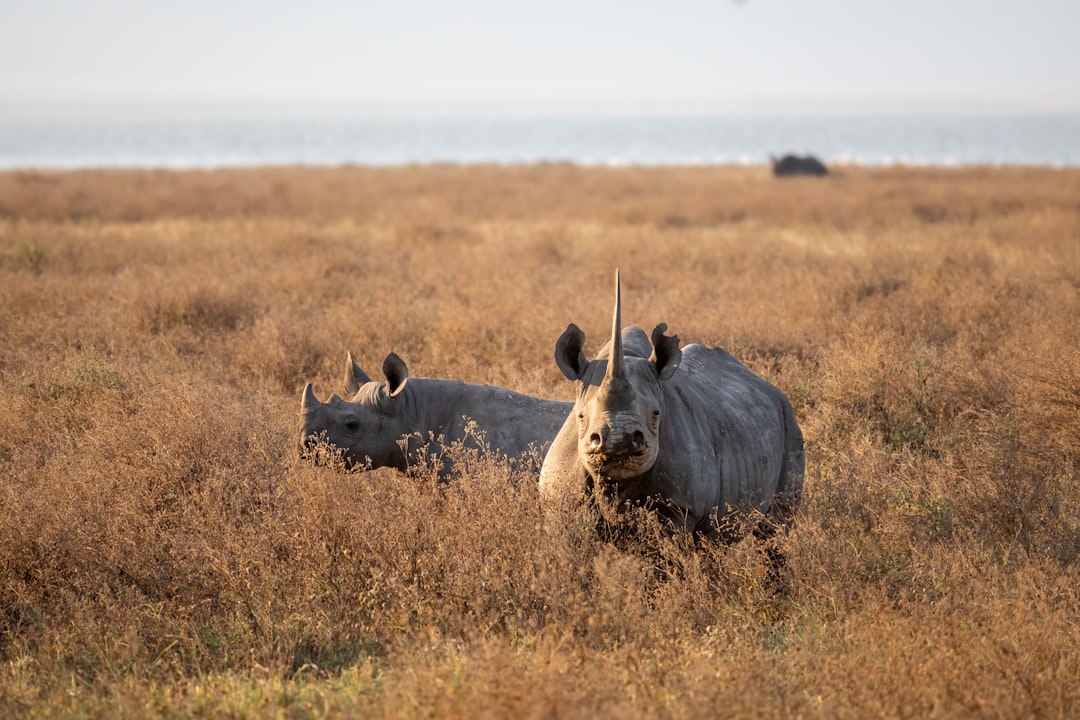
Photo by Mwandwe Chileshe on Unsplash
About Laikipia & Ol Pejeta
The Laikipia Plateau — on the edge of the Great Rift Valley in the shadow of Mount Kenya — is what the future of African conservation looks like: a mosaic of private and community-owned conservancies, each contributing to a landscape-level protection model that encompasses one of the most important areas for biodiversity in Kenya. Where colonial-era cattle ranches once dominated, a network of conservation areas now protects black rhinos, wild dogs, lions, cheetah, and elephants across a 9,500 square kilometre corridor. The model has proven commercially and ecologically viable — community landowners receive revenue from carefully managed, ultra-exclusive tourism, funding conservation and community development simultaneously.
Ol Pejeta Conservancy is the standout success story. The conservancy holds the largest population of black rhinos in East Africa — over 100 individuals in a programme that has been instrumental in the species' regional recovery. It also maintains the world's largest herd of Boran cattle alongside apex predators in an integrated land-use model that generates revenue for anti-poaching, community healthcare, and education. The conservancy is the home of the world's last remaining Northern White Rhinoceroses. The two surviving females — Najin and Fatu — are closely guarded by armed rangers 24 hours a day. The subspecies is functionally extinct in the wild; an assisted reproduction programme using stored sperm and surrogate Southern White Rhino mothers represents the only hope for its survival. Visiting Ol Pejeta and seeing these animals is, unavoidably, an encounter with extinction in real time.
Beyond Ol Pejeta, the wider Laikipia plateau supports a cluster of extraordinarily luxurious private conservancies — Borana, Lewa, Il Ngwesi, Ol Malo, Mugie — each with their own wildlife corridors, exclusive guiding programmes, and architectural masterpieces integrated into the landscape. Segera Retreat in the Lekurruki Conservancy is regarded as one of the finest luxury properties in Kenya — private villas, an extraordinary art collection, and exclusive community and wildlife programming that set the benchmark for the Laikipia experience. The plateau also offers strong access to Mount Kenya (visible across the lowlands) and the wider northern Kenya safari circuit. Three to four nights at a Laikipia conservancy is the textbook stay length for the conservation-focused traveller.
Things to Do in Laikipia & Ol Pejeta
Visit Najin and Fatu — the last Northern White Rhinos
Ol Pejeta is home to the world's last two Northern White Rhinoceroses. Visits to the rhino enclosure (with armed guard escort) are part of the standard Ol Pejeta itinerary. The weight of standing near a functionally extinct subspecies is the point of the visit.
Track black rhinos with a conservation team
Ol Pejeta's black rhino population (over 100 individuals) is the largest in East Africa. Guided tracking with the conservancy's rhino monitoring team combines wildlife viewing with direct exposure to the anti-poaching and research operations that make the population viable.
Stay at a private Laikipia conservancy lodge
Segera, Sirai (Borana), Sirikoi (Lewa), Il Ngwesi, Ol Malo — the Laikipia conservancies host some of the finest safari properties in Kenya. The conservancies enforce very low vehicle and bed densities; the wildlife encounters are correspondingly exclusive.
Visit the Sweetwaters Chimpanzee Sanctuary
Ol Pejeta hosts the only chimpanzee sanctuary in Kenya — a rehabilitation centre for chimps rescued from the illegal pet trade and entertainment industry. The animals are not native to Kenya; the sanctuary provides them with humane long-term care. Educational and emotionally affecting.
Walking and horseback safari
Several Laikipia conservancies permit walking safaris and horseback safaris through their conservation areas. Borana and Lewa have particularly strong horseback programmes for capable riders. The ecological engagement on foot or horseback complements the vehicle-based wildlife encounters.
Combine with Samburu and Mount Kenya
The Laikipia plateau pairs naturally with Samburu (2-3 hours north for the Special Five) and Mount Kenya (1-2 hours south for trekking). A 7-10 day northern Kenya circuit covers the rhino conservation work, the endemic northern species, and the alpine wilderness.
When to Visit Laikipia & Ol Pejeta
Long Dry
June, October
Optimal conditions for tracking and conservation tourism. The plateau's elevation keeps temperatures mild even in peak dry season. Wildlife concentrates around limited water; rhino encounters are particularly productive. Peak pricing applies at the premium conservancies.
Secondary Dry
January, March
Warm dry conditions; comfortable game viewing. The Laikipia plateau is particularly pleasant in these months — mild days, cool nights. Migratory bird tail; resident wildlife at full activity.
Short Rains
November, December
Sharp afternoon showers green the plateau. Migratory birds arrive. Wildlife active and well-nourished. Lower rates make this a strong value window for the premium conservancies that maintain pricing in the long dry.
Long Rains
April, May
Heavy rain across the plateau; some interior tracks affected; several premium camps close for parts of the window. Dramatically lower rates at remaining open properties. For specialist travellers.
Getting to Laikipia & Ol Pejeta
By light aircraft from Wilson Airport in Nairobi (45-60 minutes) to one of the Laikipia airstrips serving specific conservancies — Lewa, Loisaba, Segera, Ol Pejeta, Mugie. Safarilink operates scheduled circuits. By road from Nairobi: 3-4 hours via Nanyuki (the gateway town for the plateau). Standard 15kg soft-bag luggage limit on light aircraft. The Nanyuki road is in good condition and supports comfortable self-drive transfers for visitors combining road and conservancy stays.
Where to Stay
Ultra-luxury (USD $700-2,500+): Segera Retreat (Lekurruki Conservancy — exceptional art collection, private villas), Sirai House (Borana), Sirikoi (Lewa), Loisaba Tented Camp, Ol Pejeta Safari Cottages, Solio Lodge. Premium mid-range (USD $400-700): Lewa Safari Camp, Borana Lodge, Tassia Lodge (Lekurruki community). Mid-range (USD $200-400): Comfort Gardens Sweetwaters (Ol Pejeta), Sweetwaters Serena Camp. The Laikipia premium tier is the most exclusive in Kenya; budget-constrained visitors should consider the Ol Pejeta mid-range options rather than the broader plateau.
Travel Tips for Laikipia & Ol Pejeta
Frequently Asked Questions
- Will I see the Northern White Rhinos at Ol Pejeta?
- Yes — Najin and Fatu are accessible to visitors as part of standard Ol Pejeta itineraries. Armed-guard escorted visits to the rhino enclosure are part of the conservancy experience. Standing near the last two members of a functionally extinct subspecies is unforgettable.
- Why is Laikipia so expensive?
- The premium Laikipia conservancies operate with very low bed numbers in large conservation areas. The pricing funds the conservation work — anti-poaching, monitoring, community programmes, research — that makes the rhino populations viable. The exclusivity is real and the conservation funding is direct.
- How does Laikipia compare to the Masai Mara?
- Different focus. The Mara is migration and Big Five abundance; Laikipia is rhino conservation, exclusive private conservancies, and a more intimate scale of wildlife encounter. They pair well — most premium Kenya itineraries combine 3-4 nights in the Mara with 3 nights in Laikipia.
- Is Ol Pejeta family-friendly?
- Yes, more so than many premium Kenya properties. The Sweetwaters Chimpanzee Sanctuary is educational for children; the rhino conservation programmes engage older kids meaningfully; the mid-range Ol Pejeta accommodation handles families. The ultra-luxury properties elsewhere on the plateau often impose minimum-age restrictions — confirm at booking.
Explore More, Laikipia & Ol Pejeta
Things To Do
Plan Your Trip
More in Kenya
Masai Mara & the Conservancies
Africa's most celebrated wildlife arena. The Great Wildebeest Migration, the Mara River crossings, and the Maasai community conservancies su…
Amboseli National Park
Kenya's iconic Kilimanjaro-backdrop elephant park. The world's most thoroughly studied elephant population, the Amboseli swamps fed by subte…
Tsavo East & West
21,000 square kilometres of semi-arid bush, volcanic terrain, and riverine ecosystem — the largest protected area in Kenya. Red elephants of…
Samburu National Reserve
Kenya's northern frontier — arid, volcanic, and harsh. The endemic Special Five (Grevy's zebra, Somali ostrich, reticulated giraffe, gerenuk…
Mount Kenya
Africa's second-highest mountain at 5,199 metres — more technically varied and more genuinely wild than Kilimanjaro. The Sirimon, Chogoria, …
Nairobi
The only capital city on earth with a national park within its boundaries. The David Sheldrick Wildlife Trust elephant nursery, the Giraffe …
Lamu Island & Archipelago
Kenya's UNESCO-listed Swahili Old Town — the oldest, best-preserved Swahili settlement in East Africa, dating to the 14th century. No motor …
Diani Beach
Twenty-five kilometres of silver-white sand and turquoise Indian Ocean on Kenya's south coast. World-class kitesurfing, marine park diving, …
Rift Valley Lakes
Three distinct experiences within a few hours of each other in central Kenya — Lake Nakuru's rhino sanctuary and flamingos, Lake Naivasha's …